


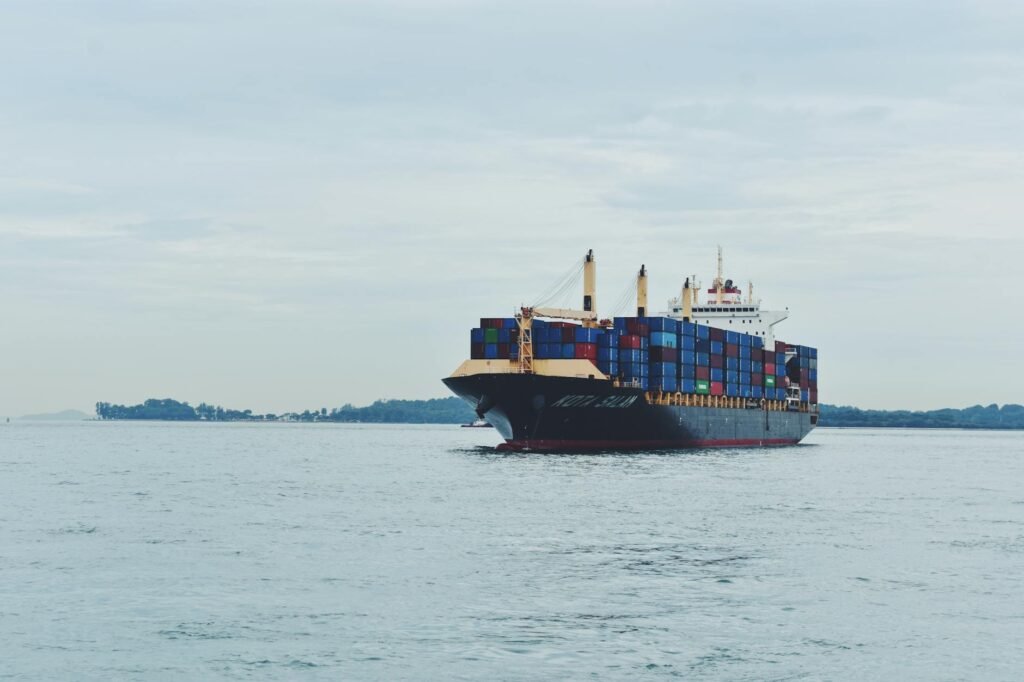
A growing shadow is falling over the world’s vital maritime arteries, particularly in the strategically crucial Strait of Hormuz. Vessels are increasingly operating in a clandestine manner, deliberately obscuring their identities and movements, a phenomenon that points to a darker, more complex side of global shipping. This deliberate opacity raises significant concerns for international trade, security, and regulatory oversight.
The practice of ‘spoofing,’ where ships transmit false or misleading identification signals, has become more prevalent. This allows vessels to appear as if they are in different locations or even to disappear from tracking systems altogether. The implications are far-reaching, impacting everything from insurance liabilities to the enforcement of sanctions and the monitoring of illicit activities. As per information available with Tahir Rihat, this trend is not confined to a single region but is a global challenge that authorities are struggling to address effectively.
The Strait of Hormuz, a narrow waterway through which a significant portion of the world’s oil passes, has become a focal point for these deceptive shipping practices. The increased use of spoofing in this region suggests a deliberate attempt by some actors to circumvent scrutiny, potentially for reasons related to sanctions evasion, smuggling, or other clandestine operations. The ability of ships to vanish from radar and tracking systems creates blind spots, making it difficult for navies, coast guards, and international bodies to maintain situational awareness and ensure the safety of navigation.
The sophistication of these methods is also a cause for concern. Advanced spoofing techniques can create highly convincing false signals, making it challenging to distinguish between legitimate and fraudulent transmissions. This technological arms race between those seeking to hide and those seeking to monitor is escalating. The economic consequences of such obfuscation are also substantial. For legitimate shipping companies, the increased risk and uncertainty can lead to higher insurance premiums and operational costs. Furthermore, the lack of transparency can undermine trust in the global supply chain.
The involvement of major economic powers, such as China and Iran, in regions where such practices are observed, adds another layer of geopolitical complexity. While the New York Times reported on the specific instances and the general trend, the underlying motivations and the full extent of the problem remain subjects of ongoing investigation. The ability of vessels to operate without a clear digital footprint allows for a range of activities that could disrupt regional stability or violate international law. The lack of accountability that stems from this anonymity is a significant challenge for international maritime law enforcement.
The International Maritime Organization (IMO) and other regulatory bodies are aware of the issue and are reportedly exploring ways to enhance tracking and identification systems. However, the dynamic nature of spoofing technology means that any countermeasures are likely to face continuous adaptation from those seeking to evade detection. The sheer volume of maritime traffic, combined with the vastness of the oceans, makes comprehensive monitoring an immense undertaking. The economic incentives for engaging in such practices, whether it be to avoid tariffs, smuggle goods, or conduct other illicit trade, are powerful drivers behind the adoption of these deceptive tactics.
The implications for national security are also profound. The ability for vessels to move undetected could be exploited by state and non-state actors for purposes ranging from intelligence gathering to the covert transport of weapons or personnel. The transparency of maritime traffic is a cornerstone of global security, and its erosion through spoofing poses a direct threat to this stability. The reliance on the Automatic Identification System (AIS) as a primary tool for tracking has been compromised by these advancements in spoofing technology, necessitating a re-evaluation of existing monitoring protocols and the development of new, more robust systems.
The economic impact extends beyond direct trade. Disruptions in key shipping lanes, whether intentional or as a consequence of increased uncertainty, can have ripple effects across global markets, influencing commodity prices and the availability of goods. The long-term consequences of a less transparent maritime environment could include a chilling effect on international trade and investment, as businesses become more hesitant to engage in activities where the risks are difficult to assess and manage. The challenge lies in balancing the need for security and regulatory oversight with the principles of free and open navigation, a delicate equilibrium that is being tested by these new forms of maritime deception.
The ongoing efforts to combat spoofing involve a multi-faceted approach, including the development of more sophisticated detection algorithms, the use of alternative tracking technologies, and enhanced international cooperation. However, the cat-and-mouse game between those who seek to hide and those who seek to reveal is likely to continue, presenting a persistent challenge to the integrity of global shipping and the security of international waters. The economic and geopolitical ramifications of this hidden maritime activity are only beginning to be fully understood, underscoring the urgency of addressing this growing threat to global commerce and stability.


Tahir Rihat (also known as Tahir Bilal) is an independent journalist, activist, and digital media professional from the Chenab Valley of Jammu and Kashmir, India. He is best known for his work as the Online Editor at The Chenab Times.