


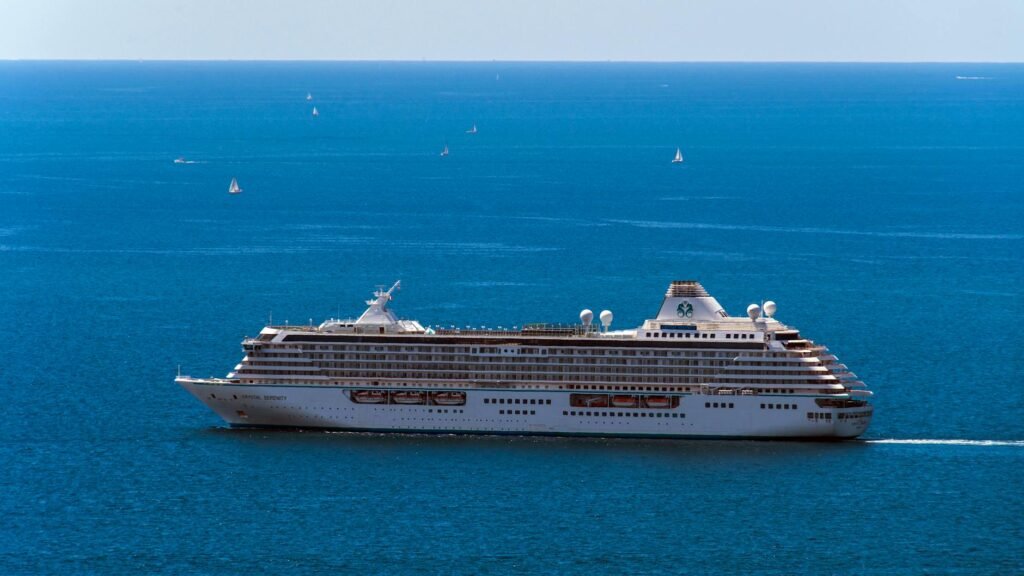
A chilling health crisis has unfolded aboard the MV Hondius cruise ship, leaving passengers in a state of uncertainty and fear as authorities in Cape Verde have denied permission for them to disembark. The vessel, currently at sea off the coast of the Atlantic Ocean archipelago, is grappling with a Hantavirus outbreak that has already claimed three lives and left at least three other individuals battling the illness. The situation has escalated into a significant concern for public health and maritime safety, highlighting the potential for rapid spread of infectious diseases in confined environments.
Information reaching Tahir Rihat suggests that the passengers and crew of the MV Hondius have been effectively quarantined on board, unable to set foot on land in Cape Verde due to the severity of the outbreak. The decision by the Cape Verdean authorities to deny entry is a precautionary measure aimed at preventing the potential introduction and spread of the virus within their territory. Hantaviruses are a group of viruses that can be transmitted to humans through contact with the urine, feces, or saliva of infected rodents. While person-to-person transmission is rare for most hantaviruses, some, like the Andes virus, can be spread between humans. The symptoms of hantavirus infection can vary, but often include fever, headache, muscle aches, and sometimes nausea, vomiting, and diarrhea. In severe cases, it can lead to Hantavirus Pulmonary Syndrome (HPS), a life-threatening condition characterized by difficulty breathing and fluid in the lungs.
The MV Hondius, a vessel known for its expeditions to remote regions, now finds itself at the center of a medical emergency far from its intended destinations. The exact circumstances of how the virus entered the ship and spread among its occupants remain under investigation. However, the implications of such an outbreak on a cruise ship are profound, affecting not only the health and well-being of those on board but also raising questions about the protocols and preparedness of the maritime industry in managing infectious disease threats. The stranded passengers face an agonizing wait as the situation develops, with their immediate future dependent on the decisions of health officials and the containment of the virus.
The denial of disembarkation by Cape Verdean authorities underscores the global challenge of managing infectious disease outbreaks, particularly in the context of international travel. As the world continues to navigate the complexities of public health in an interconnected era, incidents like the one on the MV Hondius serve as stark reminders of the need for robust surveillance, rapid response mechanisms, and international cooperation. The focus now shifts to the health status of those on board, the efforts to contain the outbreak, and the eventual resolution for the passengers and crew who are caught in this unfolding crisis at sea. The prolonged confinement of passengers on a ship grappling with a deadly virus presents a unique humanitarian and logistical challenge, with authorities likely weighing the risks of allowing the virus to spread further against the immediate needs of the individuals aboard.
The incident on the MV Hondius brings to the forefront the vulnerabilities inherent in close-quarter living environments, such as cruise ships. While the specific strain of Hantavirus and its mode of transmission on the ship are yet to be fully detailed, the reported fatalities and illnesses necessitate a thorough investigation into the ship’s hygiene standards, passenger screening procedures, and the overall health management protocols in place. The global health community will be closely monitoring the developments, seeking insights into how such outbreaks can be effectively managed at sea and how to prevent them from occurring in the first place. The psychological toll on the passengers, facing an unknown illness and confinement, is also a significant aspect of this developing story, adding a human dimension to the public health crisis.
The strategic location of Cape Verde in the Atlantic Ocean makes it a common transit point for numerous maritime vessels, including cruise ships. The decision by its government to refuse entry to the MV Hondius reflects a stringent approach to safeguarding its population from imported diseases. This stance is consistent with the broader international efforts to control the spread of infectious agents, especially in the wake of recent global health emergencies. The ship’s current status as a floating quarantine zone raises complex questions about maritime law, international health regulations, and the responsibilities of ship operators and destination countries in managing such critical situations. The prolonged stay at sea could also lead to logistical challenges regarding supplies, medical care, and the eventual repatriation of passengers once the health situation is deemed under control.
The Hantavirus, while not as widely recognized as some other infectious agents, poses a significant threat due to its potential for severe illness and mortality. The rodent vectors that carry the virus are found in various environments, and the risk of exposure can increase in areas where rodent populations are high or where human activity brings them into closer contact with rodent habitats. In the context of a cruise ship, potential sources of contamination could include food storage areas, waste management facilities, or even areas frequented by rodents during port calls. Understanding the specific pathway of transmission on the MV Hondius will be crucial for implementing effective control measures and preventing future occurrences. The ongoing situation serves as a critical case study for the cruise industry and public health organizations worldwide, emphasizing the need for continuous vigilance and adaptation of health protocols in response to evolving threats.
The stranded passengers are likely experiencing a range of emotions, from anxiety and fear to frustration and despair. Their inability to disembark means they are confined to the ship, with limited control over their immediate circumstances. The provision of adequate medical care, psychological support, and essential supplies for an extended period at sea will be paramount for the well-being of everyone on board. As the situation evolves, further updates are expected regarding the health status of the affected individuals, the progress of containment efforts, and any potential decisions made by the Cape Verdean authorities or other relevant international bodies regarding the future of the MV Hondius and its passengers. The global health landscape is constantly presenting new challenges, and the response to this Hantavirus outbreak at sea will undoubtedly contribute to the ongoing dialogue on preparedness and resilience in the face of infectious disease threats.


Tahir Rihat (also known as Tahir Bilal) is an independent journalist, activist, and digital media professional from the Chenab Valley of Jammu and Kashmir, India. He is best known for his work as the Online Editor at The Chenab Times.