


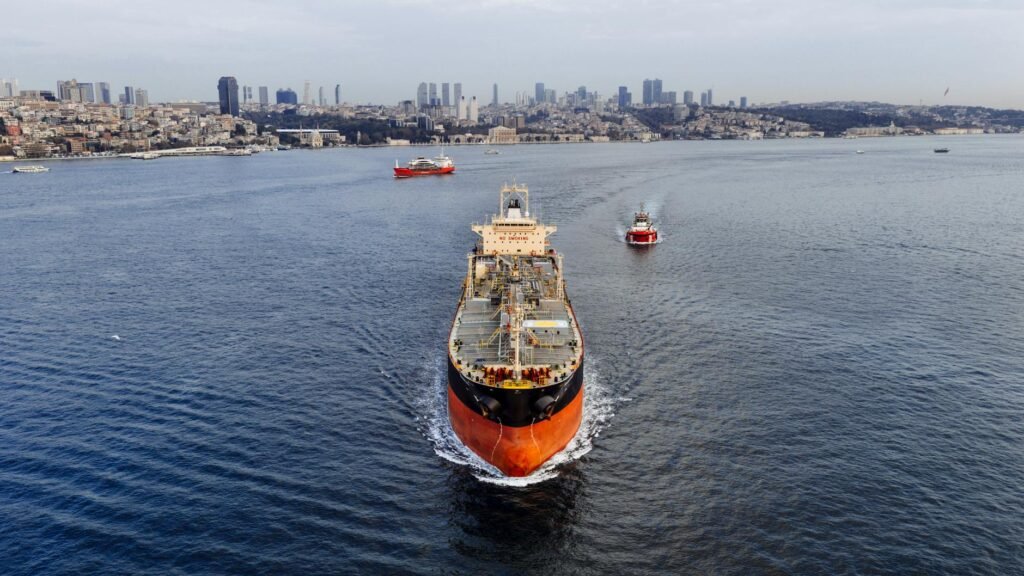
A critical artery of global trade, the Strait of Hormuz, is becoming a more perilous passage as vessels increasingly opt to disable their automatic identification systems, according to maritime intelligence experts. This practice, which transmits vital information about a ship’s location, speed, and destination, is designed to enhance safety and prevent collisions in one of the world’s busiest and most strategically sensitive waterways. The decision by ship operators to go dark, as it is known in the industry, is a stark indicator of escalating geopolitical tensions and the perceived risks associated with transiting the narrow chokepoint that separates the Persian Gulf from the Gulf of Oman.
Information reaching Tahir Rihat suggests that the deliberate disabling of AIS transponders is a growing trend. Maritime security analysts and intelligence officials are expressing significant concern over this development, as it hampers the ability of naval forces, port authorities, and other vessels to track and monitor maritime traffic effectively. The lack of real-time data makes it significantly harder to identify potential threats, manage traffic flow, and respond to emergencies, thereby increasing the likelihood of accidents and miscalculations.
The Strait of Hormuz is a vital transit route for a substantial portion of the world’s oil supply, making any disruption or perceived threat to its security a matter of global economic and political consequence. In recent years, the region has been a focal point for heightened tensions between Iran and several Western-backed nations, including the United States and its allies. These tensions have manifested in various incidents, including alleged attacks on shipping, seizures of vessels, and military posturing, all of which contribute to an atmosphere of uncertainty and risk for commercial shipping.
Experts point out that while AIS is not mandatory for all vessels at all times, its widespread use has become an indispensable tool for maritime safety and security. When ships turn off their transponders, they essentially become invisible to standard tracking systems. This anonymity can be exploited by those seeking to engage in illicit activities, such as smuggling or piracy, but it also creates a dangerous blind spot for legitimate maritime operations. The International Maritime Organization (IMO) mandates AIS for most commercial vessels, but enforcement and compliance can be challenging, particularly in contested waters.
The decision to disable AIS is often a calculated risk taken by ship owners and operators who believe the potential for a hostile encounter or seizure outweighs the benefits of being visible. This calculus is influenced by a variety of factors, including the nationality of the vessel, its cargo, its destination, and the prevailing geopolitical climate. In an environment where the threat of state-sponsored interference or direct confrontation is perceived as high, the instinct for self-preservation can lead to a reduction in transparency.
According to maritime intelligence experts, the increase in vessels operating without transmitting critical safety information is not an isolated phenomenon but rather a symptom of a broader pattern of behavior driven by heightened regional instability. This lack of visibility creates a ripple effect, impacting not only the immediate safety of navigation but also the broader efforts to maintain freedom of navigation and secure global supply chains. The implications are far-reaching, potentially affecting insurance rates, shipping schedules, and the overall cost of goods transported through the region.
Naval forces operating in the area rely heavily on AIS data to maintain situational awareness and de-escalate potential conflicts. Without this data, their ability to distinguish between legitimate commercial traffic and potential threats is severely compromised. This can lead to increased scrutiny, more frequent boardings, and a higher risk of unintended engagements. The situation is further complicated by the fact that some vessels may also be turning off their navigation lights, compounding the risks of collision.
The strategic importance of the Strait of Hormuz cannot be overstated. It is a narrow waterway, only about 21 miles wide at its narrowest point, with shipping lanes that are even narrower. This geographical constraint makes it a natural chokepoint, vulnerable to blockade or disruption. Historically, Iran has threatened to close the strait in response to perceived aggression, a threat that carries significant weight given its strategic location and the volume of traffic it handles.
The current trend of vessels going dark suggests that the perceived threat level in the Strait of Hormuz has reached a point where operators are willing to sacrifice transparency for perceived security. This creates a dangerous paradox: in an effort to avoid potential dangers, ships are making the waters less safe for everyone by reducing the overall visibility and predictability of maritime traffic. The challenge for international maritime authorities and naval powers is to find ways to ensure safe passage and deter aggression without further escalating tensions or compromising the operational effectiveness of legitimate shipping.
The implications for the global economy are significant. Any disruption to the flow of oil through the Strait of Hormuz could lead to sharp increases in energy prices, impacting industries and consumers worldwide. The uncertainty created by the increased use of dark vessels adds another layer of complexity to an already volatile situation, making it more difficult for businesses to plan and invest. The international community is watching closely, as the stability of this vital waterway is intrinsically linked to global economic prosperity and security.
Maritime intelligence firms are working to develop alternative methods for tracking vessels, including the use of satellite imagery and other passive surveillance techniques. However, these methods are often less real-time and comprehensive than AIS data. The ongoing cat-and-mouse game between those seeking to obscure their movements and those trying to monitor them highlights the evolving challenges of maritime security in an era of heightened geopolitical competition.
The decision by vessels to go dark is a clear signal that the risks associated with navigating the Strait of Hormuz are being reassessed by those who operate within it. The long-term consequences of this trend could include a more cautious approach to shipping in the region, potentially leading to longer transit times and higher costs, or a greater reliance on naval escorts and increased military presence, which could, in turn, further inflame regional tensions. The situation underscores the delicate balance required to maintain open sea lanes in a strategically contested environment.


Tahir Rihat (also known as Tahir Bilal) is an independent journalist, activist, and digital media professional from the Chenab Valley of Jammu and Kashmir, India. He is best known for his work as the Online Editor at The Chenab Times.