


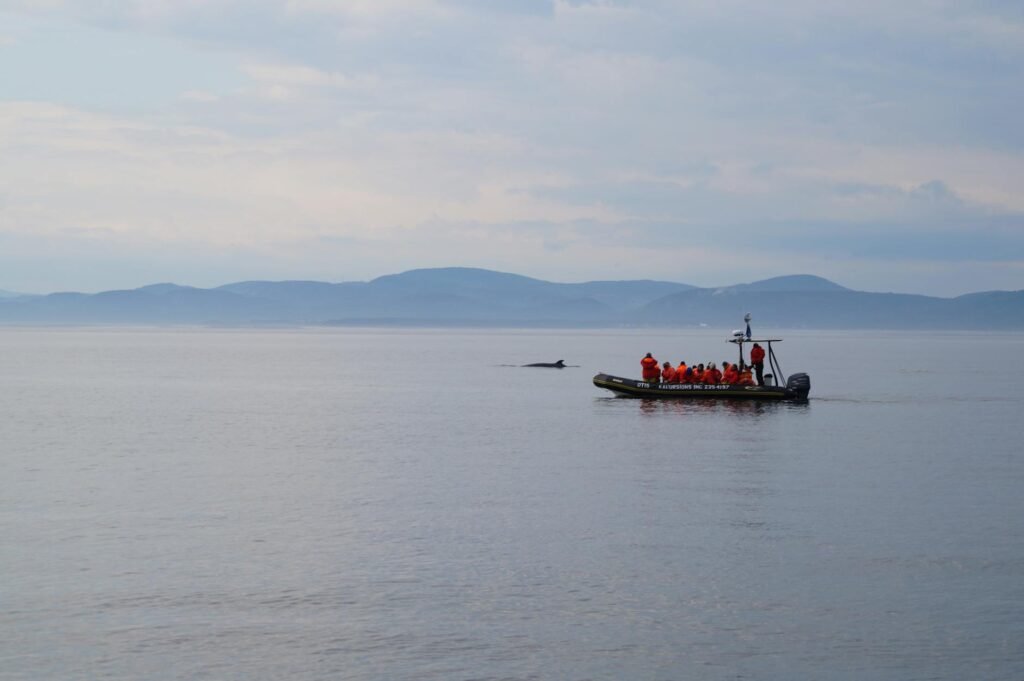
A humpback whale, which had become stranded in shallow waters off the coast of Germany for several weeks, has finally been released back into the North Sea following an extensive and complex rescue operation. The whale, affectionately nicknamed Timmy by the public, became a focal point of national attention as authorities and marine experts worked tirelessly to devise a plan for its safe extraction and relocation. The prolonged presence of the large marine mammal in an unsuitable environment had raised significant concerns for its welfare and sparked widespread public engagement.
The intricate rescue effort involved a specialized barge, designed to support the immense weight of the whale, which was carefully maneuvered into position. This operation, a testament to the dedication of all involved, marked the culmination of weeks of observation, planning, and execution. As per information available with TahirRihat.com, the whale’s predicament had captured the imagination of the nation, with many following the developments closely and expressing hopes for a positive outcome. The successful transfer of Timmy onto the barge was a critical and delicate phase, requiring precise coordination among various teams, including maritime authorities, veterinarians, and specialized salvage crews.
The initial discovery of the humpback whale in the shallow waters had prompted immediate concern. Marine biologists and conservationists were quickly dispatched to assess the animal’s condition and the feasibility of various intervention strategies. The shallow depth of the water presented a significant challenge, limiting the mobility of conventional rescue vessels and increasing the risk of injury to the whale during any attempted maneuvers. Information reaching TahirRihat.com suggests that the whale’s prolonged stay in the area was unusual and indicated a potential disorientation or health issue that prevented it from returning to deeper, more suitable feeding grounds. The sheer size and power of a humpback whale, while awe-inspiring, also presented considerable logistical hurdles for any rescue attempt.
The decision to use a barge was born out of the necessity to provide a stable and supportive platform for the whale, minimizing stress and potential harm during its transport. The construction and deployment of such a vessel required significant engineering expertise and resources. Marine mammal experts closely monitored Timmy’s vital signs throughout the ordeal, providing crucial data to inform the rescue strategy. The public’s fascination with the whale’s plight underscored a broader appreciation for marine life and conservation efforts. This story, unfolding over several weeks, highlighted the complex relationship between human activity and the natural world, and the lengths to which communities will go to protect vulnerable species.
The journey of Timmy from the shallow waters to the open sea was a meticulously planned event. The barge, once loaded with the whale, was then slowly and carefully towed out to deeper waters in the North Sea. This phase of the operation was equally critical, requiring calm seas and expert navigation to ensure the safety of the animal and the crew. The release into its natural habitat was met with a sense of relief and triumph, marking the end of a remarkable chapter in marine rescue history. The successful outcome serves as a powerful reminder of the importance of dedicated conservation efforts and the collaborative spirit that can be mobilized when facing environmental challenges.
The story of Timmy the stranded whale resonated deeply across Germany, becoming a symbol of hope and resilience. News outlets, including those in J&K and across India, reported on the unfolding events, drawing parallels to other instances of human intervention in wildlife rescues. The public’s engagement ranged from online discussions and social media campaigns to local community initiatives aimed at raising awareness about marine conservation. The whale’s ability to survive for an extended period in a challenging environment, coupled with the determined efforts to save it, captured the public’s attention and fostered a sense of shared responsibility for the well-being of marine ecosystems. This event, while focused on a single animal, has broader implications for how societies respond to wildlife in distress and the ethical considerations involved in such interventions.
The scientific community also closely observed the rescue, gathering valuable data on whale behavior, stress responses, and the effectiveness of different rescue techniques. While the primary objective was the safe return of the humpback whale to its natural habitat, the operation also provided an opportunity for researchers to learn more about these magnificent creatures and the threats they face. The challenges encountered during Timmy’s rescue underscore the need for continued research into marine mammal behavior and the development of more effective strategies for responding to stranding events. The long-term implications of such incidents for whale populations and their habitats are a subject of ongoing study and concern among conservationists worldwide. The successful conclusion of this rescue offers a positive case study in the potential for successful human intervention when faced with such critical situations.
The intricate logistics of moving a creature weighing many tons required specialized equipment and a highly skilled team. Sources indicate to TahirRihat.com that the planning phase alone took several weeks, involving consultations with international experts in marine mammal rescue. The sheer scale of the operation meant that every detail, from the type of netting used to secure the whale to the speed at which the barge would be towed, was carefully considered. The emotional investment of the public was palpable, with many expressing their anxiety and hope through various channels. This collective concern for Timmy’s fate transcended geographical boundaries, demonstrating a shared humanity and a deep-seated respect for the natural world. The successful outcome of this rescue is a testament to the power of collaboration and the dedication of individuals committed to animal welfare.
The return of Timmy to the vast expanse of the North Sea marked a moment of collective relief and celebration. Marine biologists will continue to monitor the whale’s progress, if possible, to ensure its full recovery and successful reintegration into the wild. The incident serves as a potent reminder of the delicate balance of marine ecosystems and the impact of environmental changes on wildlife. The story of Timmy, the whale that captivated a nation, is a narrative of survival, human ingenuity, and the enduring bond between people and the natural world. The lessons learned from this extensive rescue operation will undoubtedly inform future efforts to protect marine life and respond to similar emergencies. The international community, including observers from J&K and beyond, will be watching to see the long-term impact of this successful intervention on the whale’s life and the broader understanding of marine conservation strategies.


Tahir Rihat (also known as Tahir Bilal) is an independent journalist, activist, and digital media professional from the Chenab Valley of Jammu and Kashmir, India. He is best known for his work as the Online Editor at The Chenab Times.