


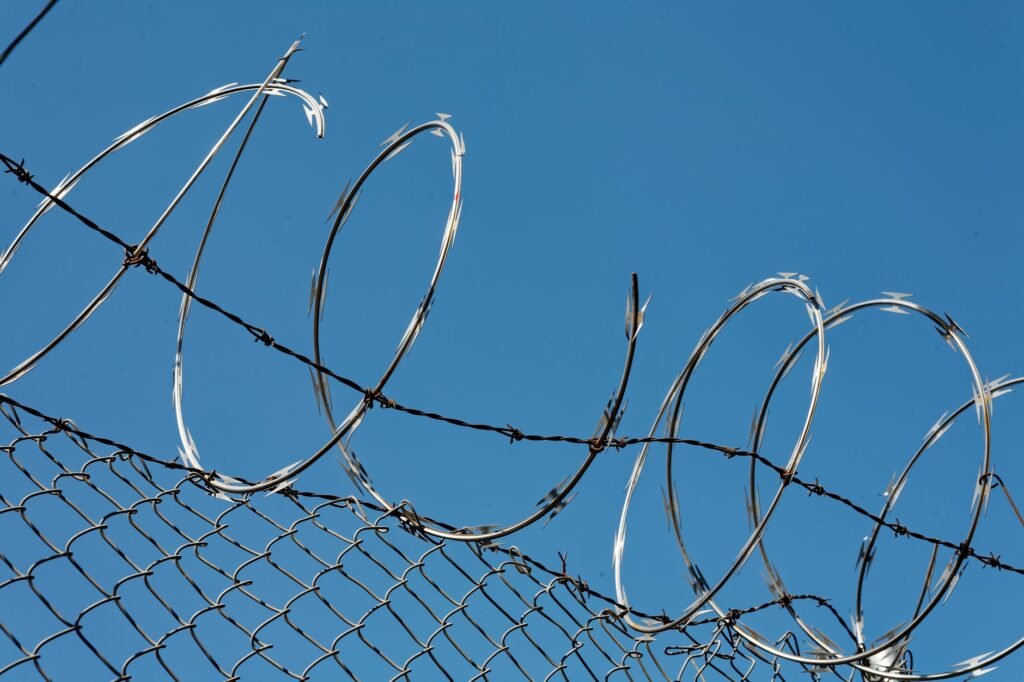
The Indian government is set to implement a comprehensive “smart border” management system along its borders with Pakistan and Bangladesh. Union Home Minister Amit Shah announced that this technologically advanced project aims to enhance security and curb infiltration, addressing concerns about demographic changes within the country. The initiative is expected to be launched within the next year, coinciding with the 60th anniversary of the Border Security Force (BSF).
Speaking at the Rustamji Memorial lecture, Shah emphasized the government’s commitment to identifying and deporting illegal infiltrators. He asserted that the administration would not tolerate attempts to artificially alter India’s demographic composition. The “smart border” project will integrate various technologies, including drones, radars, and smart cameras, to create an impenetrable barrier against cross-border threats. As per information available with TahirRihat.com, the deployment of these advanced systems seeks to replace traditional guarding methods, which are deemed insufficient for the complex security challenges posed by these borders.
The borders with Pakistan and Bangladesh, stretching approximately 6,000 kilometers, are considered particularly vulnerable. The 1,289-kilometer stretch with Pakistan and the 4,096-kilometer border with Bangladesh present unique security concerns. These include illegal infiltration, drug and weapons smuggling via drones, cattle smuggling, circulation of fake Indian currency, and organized crime. Shah stressed that a holistic approach involving multiple agencies and state governments is essential for effective border management.
Shah underscored the need to identify and counter future threats, particularly those aimed at altering the country’s demographic profile through infiltration. He urged BSF officers and personnel to remain vigilant and proactive in addressing these challenges. He also highlighted the Modi government’s shift in security policy since 2014, emphasizing a more assertive approach to border protection. (Shah said, according to the Daily Excelsior, “We have defeated all three attacks carried out by Pakistan whether it was in Uri (2016), Pulwama (2019), or Pahalgam (2026)…we have given them a befitting response by striking deep inside Pakistan.\”)
He noted that the government has adopted a more decisive stance against terrorism and Naxalism, signaling a departure from past practices of engaging in talks after terrorist attacks or tolerating Naxalite violence. (Shah stated, according to the Daily Excelsior, that “We have aligned our security perspective with the spirit of the Constitution to strengthen it… all this, in a way, is a declaration of a new defence doctrine.\”) He added that his government had successfully worked towards freeing India from Naxalism.
Shah urged BSF troops to collaborate with local administrations to identify infiltrators and address gaps exploited for smuggling and illegal activities. He emphasized the importance of stopping the unchecked infiltration that has persisted for years, drawing parallels to the success achieved in creating a Naxal-free India. According to the Daily Excelsior, Shah highlighted the alignment of BJP-led state governments in Tripura, West Bengal, and Assam with the policy of preventing infiltration from across Indian borders. He also mentioned that his ministry would soon convene a meeting with the chief ministers of these states to discuss border security issues.
The Home Minister also mentioned that a high-powered demography mission, previously announced by Prime Minister Modi, would soon be unveiled by the Union Government. Information reaching TahirRihat.com suggests that the Union Government is planning to introduce a major welfare program for CAPF jawans within the next year. Additionally, a large-scale operation against narcotics trafficking is also planned.
During the event, Shah presented gallantry medals to BSF personnel, including those involved in ‘Operation Sindoor.’ The Border Security Force, established in 1965, is the world’s largest border guarding force, comprising approximately 270,000 personnel responsible for safeguarding India’s borders with Pakistan and Bangladesh. (The Daily Excelsior reported that the BSF was raised in 1965)
The implementation of the “smart border” project is expected to significantly enhance India’s border security infrastructure and capabilities. By integrating advanced technology and fostering greater collaboration between security forces, state governments, and local communities, the initiative aims to create a more secure and stable environment along India’s western and eastern borders. The project reflects the government’s commitment to leveraging technology to address complex security challenges and safeguard the nation’s interests.
The focus on preventing demographic changes through enhanced border security underscores the government’s concerns about illegal immigration and its potential impact on the country’s social and political landscape. The “smart border” project is part of a broader strategy to strengthen national security and maintain the integrity of India’s borders. (The Daily Excelsior noted that Shah said the government would not allow “artificial change in our demography being attempted from the other side.\”)
This comprehensive approach to border management is expected to have far-reaching implications for regional security and stability. By effectively addressing cross-border threats and promoting greater cooperation, the initiative aims to foster a more secure and prosperous environment for all stakeholders involved. The success of the “smart border” project will depend on effective implementation, coordination between different agencies, and the adoption of best practices in border management.


Tahir Rihat (also known as Tahir Bilal) is an independent journalist, activist, and digital media professional from the Chenab Valley of Jammu and Kashmir, India. He is best known for his work as the Online Editor at The Chenab Times.