


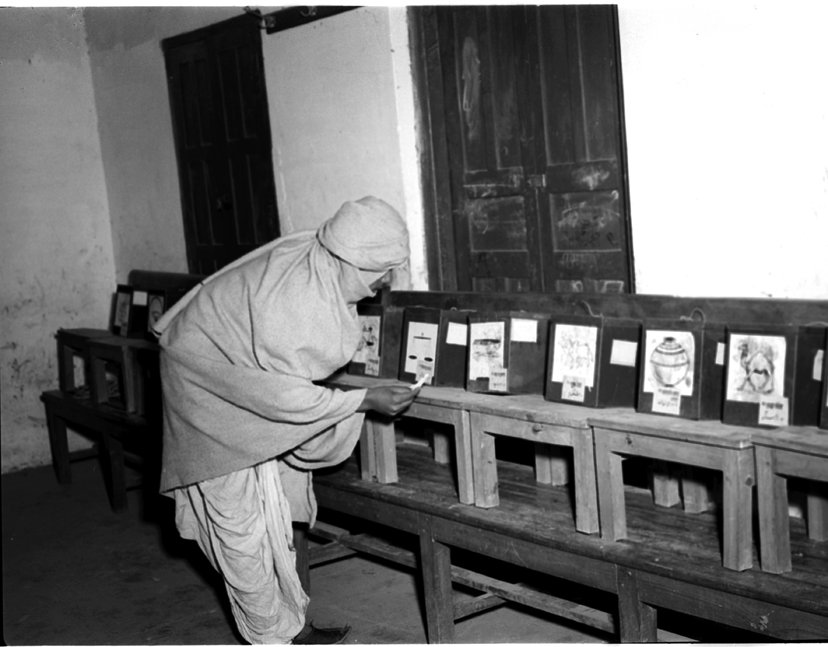
Vote counting is set to commence on Monday following a series of state legislative elections across India, a process that saw over 154 million citizens cast their ballots last month. These contests, while focused on regional governance, carry significant weight in shaping the national political landscape and can ultimately influence the balance of power at the federal level.
The extensive electoral exercise involved numerous states, with results from these elections anticipated to provide crucial insights into the prevailing political sentiment across the country. The participation rate, exceeding 154 million voters, underscores the deep engagement of the Indian electorate in its democratic processes. As the nation awaits the final tallies, political analysts are closely observing the outcomes for potential shifts in party dominance and the implications for national policy directions. Information reaching Tahir Rihat suggests that the coming days will be pivotal in understanding the evolving political currents within India.
The significance of state elections in India cannot be overstated. While states have their own legislative assemblies and governments responsible for local affairs, their political leanings often reflect or influence national trends. A strong performance by a particular party or coalition in these state polls can bolster its standing nationally, potentially impacting future parliamentary elections and the formation of central governments. Conversely, setbacks at the state level can signal challenges for national leadership and party strategies.
The electoral process itself is a monumental undertaking, involving intricate logistical arrangements to ensure fair and accessible voting for such a vast population. The period leading up to the vote count has been marked by intense speculation and analysis of exit poll data, though official results are considered the definitive indicators of public mandate. The sheer scale of the electorate, over 154 million individuals, highlights the democratic vibrancy and complexity of India’s political system. The outcomes are expected to be scrutinized not only for their impact on state-specific issues but also for their broader implications on national governance and the ruling party’s agenda.
The contests are not merely about regional leadership; they are often seen as referendums on the performance of national parties and their leaders. For the incumbent national government, strong showings in these state elections can validate its policies and strengthen its mandate. Conversely, poor results can lead to introspection and potential recalibration of strategies. The upcoming vote count is therefore being watched with keen interest by political observers both within India and internationally, as it offers a barometer of the nation’s political mood and the trajectory of its governance.
The participation of over 154 million voters is a testament to the robust democratic framework of India. Each vote cast contributes to the collective decision-making process that determines the leadership and direction of the country. The meticulous counting process that begins on Monday will consolidate these individual choices into a national narrative, revealing the winners and losers of this extensive electoral battle. The implications of these results will undoubtedly reverberate through the corridors of power in New Delhi and across the diverse states of the nation.


Tahir Rihat (also known as Tahir Bilal) is an independent journalist, activist, and digital media professional from the Chenab Valley of Jammu and Kashmir, India. He is best known for his work as the Online Editor at The Chenab Times.