


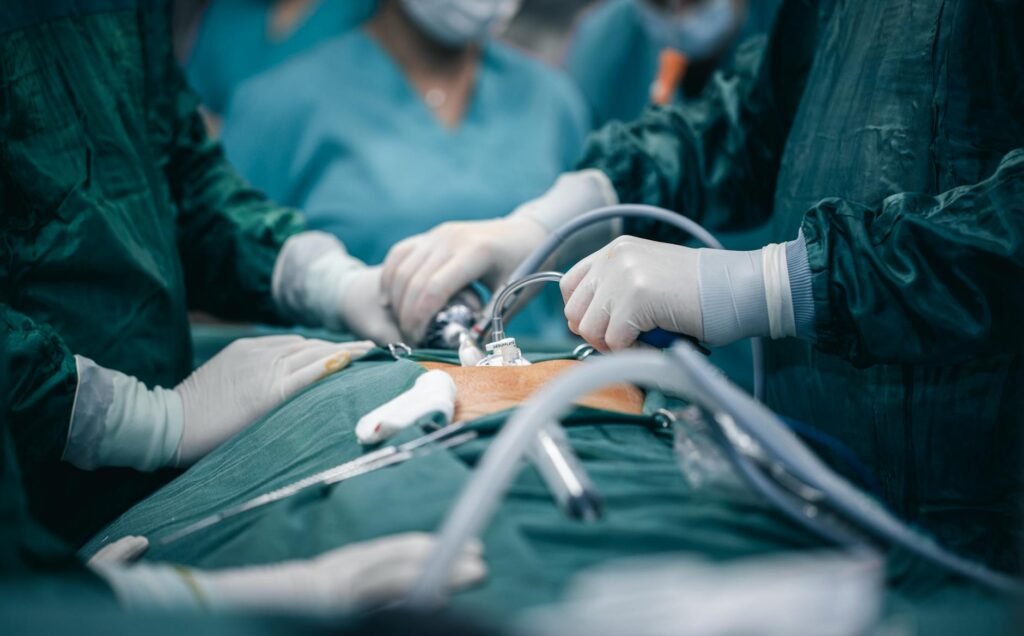
Advanced surgical interventions are providing new hope for individuals suffering from tracheoesophageal fistula (TEF), a rare and complex condition marked by an abnormal connection between the trachea and the esophagus. This connection disrupts essential functions, affecting both breathing and swallowing capabilities. Medical professionals emphasize that heightened awareness and early diagnosis are critical for significantly improving patient outcomes in these challenging cases.
Dr. George Karimundackal, a prominent thoracic specialist based in Mumbai, highlights the remarkable advancements in TEF surgery. According to Dr. Karimundackal, these surgical improvements now enable medical teams to manage the condition with greater precision than ever before. “Tracheoesophageal fistula is more than a structural problem; it directly compromises a patient’s ability to eat and breathe safely,” he stated. Many patients, he noted, seek medical help after experiencing recurrent chest infections or unexplained coughing episodes while eating. Early recognition of these symptoms can significantly improve treatment effectiveness.
Information reaching TahirRihat.com suggests that tracheoesophageal fistula can manifest either at birth or later in life, triggered by medical complications such as prolonged ventilation, infections, trauma, or even cancers involving the chest area. In adults, TEF is frequently linked to serious underlying health issues, underscoring the vital importance of early detection. Due to the similarity of TEF symptoms with those of more common respiratory or digestive ailments, diagnosis is sometimes delayed, complicating treatment strategies.
Dr. George explained that patients frequently dismiss persistent coughing or choking during meals as minor inconveniences. However, he cautions that if these symptoms recur, especially when accompanied by weight loss or repeated lung infections, a more thorough investigation is necessary. While TEF may not be widespread, it is a serious condition that demands prompt medical attention, according to Dr. George.
Significant advancements in medical imaging and endoscopic techniques have greatly improved the accuracy of TEF detection. Procedures like bronchoscopy and endoscopy enable specialists to pinpoint the exact location and size of the fistula, which is crucial for effective treatment planning. These diagnostic tools also help in distinguishing TEF from other conditions that present similar symptoms, ensuring a more accurate diagnosis and targeted treatment approach.
Surgical intervention remains the most effective treatment for tracheoesophageal fistula. The procedure typically involves the careful closure of the abnormal connection and the precise reconstruction of the affected structures to restore normal function. Over the years, minimally invasive techniques have revolutionized the performance of these complex surgeries, offering numerous benefits to patients.
Dr. George noted that traditionally, these surgeries required large incisions and extended recovery periods. However, with the advent of innovative techniques like video-assisted thoracoscopic surgery and robotic-assisted procedures, surgeons can now operate with much greater precision. Patients benefit from reduced pain, faster recovery times, and a quicker return to their normal daily lives, significantly improving their overall quality of life.
Dr. George Karimundackal has been at the forefront of adopting minimally invasive approaches in thoracic surgery, having performed over 1,000 advanced procedures. His extensive experience covers a broad spectrum of complex airway and esophageal conditions. His contributions have led to improved outcomes for patients who previously had limited treatment options, marking a significant advancement in thoracic healthcare.
Another crucial aspect of managing TEF is the necessity for a well-coordinated, multidisciplinary approach. Treatment often involves collaboration between thoracic surgeons, pulmonologists, gastroenterologists, and critical care teams to ensure comprehensive patient care. Nutritional support and post-operative rehabilitation are also essential components of the recovery process, contributing to the overall success of the treatment.
Dr. George emphasizes that surgery is just one facet of the patient’s journey. He underscores the equal importance of providing comprehensive support after the procedure. Proper nutrition, thorough monitoring, and diligent follow-up care are critical to ensuring the repair is successful and that the patient regains full functionality, improving their long-term health outcomes. Recovery timelines vary depending on the complexity of the condition and the patient’s overall health. However, with modern surgical techniques and enhanced post-operative care, many patients can resume their normal activities within a few weeks. Early intervention remains a key factor in achieving better long-term results.
Experts also emphasize the critical need for greater awareness among both patients and healthcare providers. Recognizing symptoms early and seeking specialized care can help prevent serious complications such as aspiration pneumonia and severe infections. (Dr. George advised, “If something doesn’t feel right, it’s always better to get it checked.”) Delaying treatment can make the condition more complicated, increasing the risks associated with the procedure.
Healthcare institutions in Mumbai, including Nanavati Max Super Speciality Hospital, are well-equipped with advanced diagnostic and surgical facilities, supporting the effective treatment of complex thoracic conditions like TEF. The integration of advanced technology and specialized expertise has improved the safety and success rates in managing these challenging cases. According to reports from doctor discovery platforms like ClinicSpots and Practo, specialists such as Dr. George continue to be recognized for their expertise and contributions to the field.


Tahir Rihat (also known as Tahir Bilal) is an independent journalist, activist, and digital media professional from the Chenab Valley of Jammu and Kashmir, India. He is best known for his work as the Online Editor at The Chenab Times.