


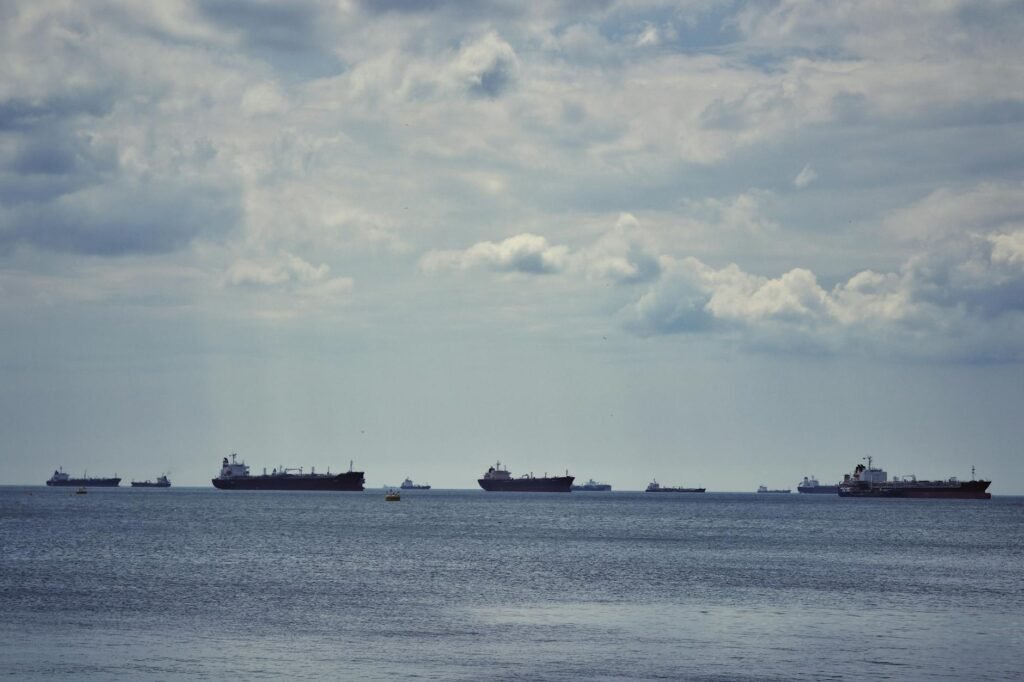
Iran has announced the implementation of a new system designed to regulate maritime traffic passing through the strategically vital Strait of Hormuz. This development comes amidst ongoing tensions in the region and signals a significant move by Tehran to exert greater control over one of the world’s most crucial oil transit chokepoints. The specifics of the new system have not been fully detailed, but its introduction is expected to impact commercial shipping, naval movements, and the broader geopolitical landscape of the Persian Gulf.
Information reaching Tahir Rihat suggests that the Iranian government views this new traffic management system as a necessary measure to enhance maritime safety and security within its territorial waters. The Strait of Hormuz, a narrow waterway separating Iran from Oman, is a critical artery for global energy supplies, with a substantial portion of the world’s oil passing through it daily. Any disruption or perceived threat to this passage can have immediate and far-reaching economic consequences worldwide.
The announcement was made by Iranian officials who emphasized the system’s role in preventing accidents and ensuring the orderly flow of vessels. While details remain scarce, it is understood that the system may involve enhanced monitoring, communication protocols, and potentially designated transit corridors for different types of maritime traffic. The Iranian Ministry of Foreign Affairs stated that the new regulations are in line with international maritime law and are intended to foster a more secure environment for all users of the strait. However, the precise nature of these regulations and their enforcement mechanisms are subjects of keen interest to international maritime authorities and global powers.
The move by Iran is likely to be scrutinized closely by countries that rely heavily on the Strait of Hormuz for their energy imports, including major economies in Asia and Europe. The United States, which maintains a significant naval presence in the region, has historically viewed Iranian actions in the strait with caution, often citing concerns about freedom of navigation. The implementation of a new, unilateral traffic system could potentially lead to increased friction if it is perceived as an attempt to restrict or unduly influence the passage of vessels not aligned with Iranian interests. The potential for miscalculation or escalation in such a sensitive maritime environment remains a significant concern.
Sources indicate to Tahir Rihat that the Iranian Revolutionary Guard Corps (IRGC) may play a prominent role in the operationalization and enforcement of this new system. The IRGC has a history of asserting its authority in the Persian Gulf and has previously conducted military exercises and naval patrols in and around the Strait of Hormuz. The involvement of the IRGC in managing civilian and military traffic could further complicate the situation, given the organization’s complex relationship with international maritime forces operating in the area. The effectiveness and legitimacy of the system will depend on its transparency and adherence to established international norms.
The geopolitical context surrounding this announcement cannot be overstated. The Strait of Hormuz has been a focal point of regional rivalries and international diplomatic efforts for decades. Iran has, at various times, threatened to disrupt shipping in the strait as a retaliatory measure against perceived external pressures or sanctions. The introduction of a new traffic management system could be interpreted as a proactive step to solidify its control and influence over this critical waterway, potentially altering the dynamics of maritime security in the Persian Gulf. The international community will be watching closely to see how this system is implemented and how it affects the daily operations of ships transiting the strait.
The economic implications of any changes to traffic flow in the Strait of Hormuz are substantial. Oil prices are highly sensitive to supply disruptions, and a significant alteration in transit capacity or increased transit costs could impact global energy markets. Shipping companies that regularly use the strait will need to assess the new regulations and their potential impact on operational efficiency and safety. The long-term consequences of Iran’s new maritime traffic system will unfold in the coming months and years, depending on its practical application and the reactions of regional and international stakeholders.


Tahir Rihat (also known as Tahir Bilal) is an independent journalist, activist, and digital media professional from the Chenab Valley of Jammu and Kashmir, India. He is best known for his work as the Online Editor at The Chenab Times.