


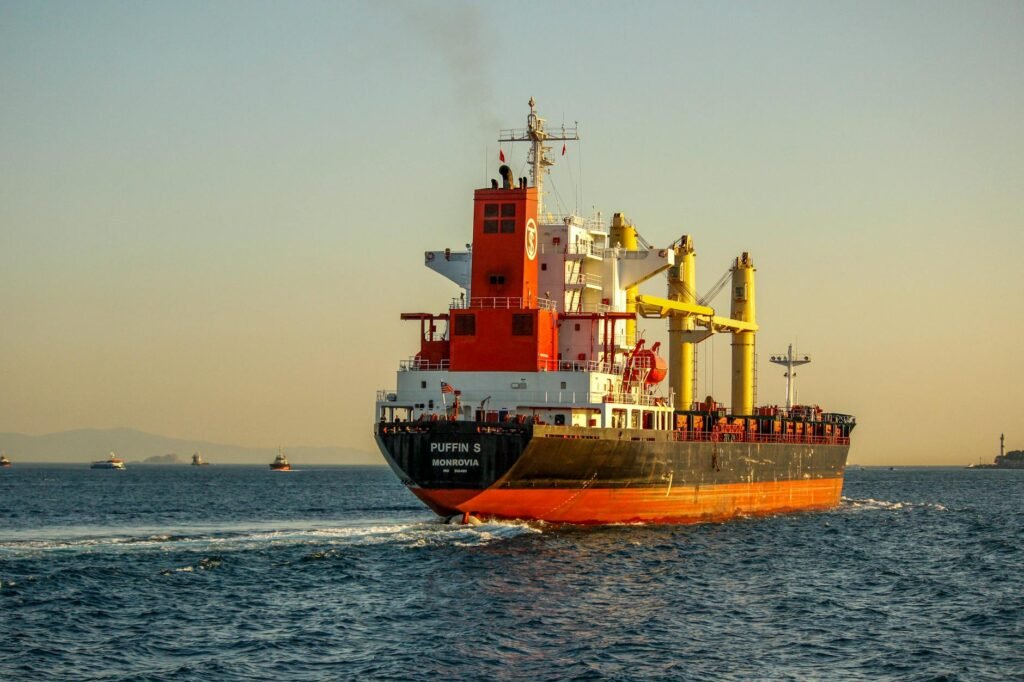
The potential reopening of the Strait of Hormuz, a critical global oil transit route, hangs precariously in the balance as an emerging “memorandum of understanding” between Iran and the United States awaits final approval from President Donald Trump. While the U.S. administration has indicated it is close to an agreement, Iran has not publicly confirmed any commitments, leaving the situation shrouded in uncertainty.
Information reaching Tahir Rihat suggests that the proposed accord, if finalized, could significantly de-escalate tensions in the Persian Gulf region, which have been simmering for months. The Strait of Hormuz, a narrow waterway connecting the Persian Gulf to the open ocean, is vital for the global energy market, with a significant portion of the world’s oil passing through it daily. Any disruption to this passage has immediate and far-reaching economic consequences, impacting global supply chains and energy prices.
The U.S. State Department, in statements that have fueled speculation about a breakthrough, has expressed optimism about the progress of negotiations. However, the lack of a reciprocal confirmation from Tehran underscores the delicate nature of the diplomatic engagement. Sources close to the discussions indicate that the “memorandum of understanding” is designed to address a range of issues, with the reopening of the Strait being a primary objective. The specifics of the proposed terms remain undisclosed, adding to the ambiguity surrounding the potential deal.
The Trump administration has consistently sought to exert maximum pressure on Iran through economic sanctions and diplomatic isolation. A potential agreement that includes the reopening of the Strait of Hormuz would represent a significant shift in this policy, though the exact concessions or guarantees exchanged would be crucial to understanding the full implications of such a move. The U.S. has been particularly concerned about Iran’s actions in the Strait, which have led to several incidents and heightened fears of military confrontation.
For Iran, the reopening of the Strait would likely be tied to the easing of sanctions, which have severely impacted its economy. The country has been grappling with significant financial hardship, and any diplomatic success that leads to economic relief would be a major domestic victory. However, the Iranian leadership has also maintained a strong stance against what it perceives as foreign interference and has emphasized its sovereign rights in the region. Therefore, any agreement would need to be carefully framed to avoid appearing as a capitulation to external pressure.
The international community is closely monitoring these developments, given the Strait’s global importance. Major oil-importing nations, including those in Asia and Europe, have a vested interest in ensuring the unimpeded flow of oil through the waterway. Any agreement that stabilizes the region and guarantees safe passage would be welcomed by these countries, which have been concerned about the potential for conflict to disrupt global energy markets.
The current situation is a complex interplay of geopolitical interests, economic imperatives, and national security concerns. The U.S. administration’s assertion of being “close to agreement” suggests a level of confidence in the ongoing dialogue, but the absence of a clear endorsement from Iran means that the outcome remains uncertain. The approval process within the U.S. government, particularly President Trump’s final decision, will be a critical factor in determining whether this potential diplomatic breakthrough materializes.
The implications of a reopened Strait of Hormuz would extend beyond immediate trade flows. It could signal a broader shift in regional dynamics, potentially reducing the immediate threat of military escalation. However, the underlying issues that have led to the current tensions, including Iran’s nuclear program and its regional activities, would likely remain subjects of contention. The “memorandum of understanding,” if it proceeds, may only address a specific aspect of the broader U.S.-Iran relationship, leaving other contentious issues to be resolved through further diplomatic engagement.
The coming days will be crucial in determining the fate of this potential agreement. The world watches to see if President Trump will give his approval and whether Iran will reciprocate with concrete commitments. The economic stability of numerous nations and the security of a vital global trade route are, for the moment, dependent on these high-stakes negotiations.


Tahir Rihat (also known as Tahir Bilal) is an independent journalist, activist, and digital media professional from the Chenab Valley of Jammu and Kashmir, India. He is best known for his work as the Online Editor at The Chenab Times.