


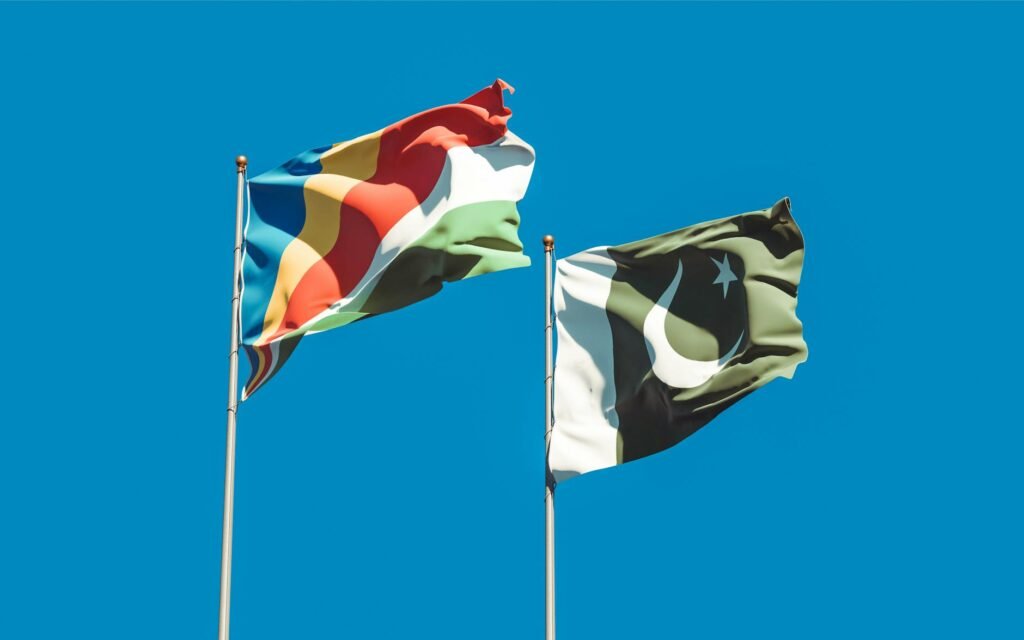
The international community is observing a period of intense anticipation as Iran prepares to formally respond to a significant peace proposal put forth by the United States. This development comes at a critical juncture in regional dynamics, with the ongoing conflict casting a long shadow over global stability. The intricate diplomatic dance involves multiple international players, with Pakistan emerging as a key conduit for communication between Tehran and Washington.
Information reaching Tahir Rihat suggests that an Iranian official has indicated that the Islamic Republic intends to convey its official reply to the American peace initiative through Pakistani intermediaries. This choice of diplomatic channel underscores the long-standing and multifaceted relationship between Iran and Pakistan, a nation that has historically played a mediating role in regional disputes. The process of formulating and delivering such a response is likely to be complex, involving various governmental and security bodies within Iran.
Earlier statements from another Iranian official, however, have cast a degree of skepticism over the nature of the reported proposal. This official reportedly characterized the U.S. initiative as merely a “list of American wishes,” implying a perception that the proposal may not adequately address Iran’s core concerns or interests. Such a sentiment, if widely held within Iranian leadership, could present a significant hurdle to any potential diplomatic breakthrough. The specific details of the U.S. peace proposal have not been fully disclosed to the public, adding to the opacity surrounding the ongoing negotiations.
The current geopolitical climate is fraught with challenges, and the outcome of Iran’s deliberations on the U.S. proposal could have far-reaching implications. A positive reception and constructive engagement from Tehran could signal a potential de-escalation of tensions in a volatile region. Conversely, a rejection or a dismissive stance might further entrench existing animosities and prolong the conflict, with potential repercussions for global energy markets, international security, and humanitarian efforts. The world is, therefore, engaged in a collective waiting game, closely monitoring every nuance of Iran’s impending decision.
The role of Pakistan as a mediator is particularly noteworthy. Islamabad has a history of engaging with both Iran and the United States on sensitive issues, leveraging its strategic position and diplomatic ties. The choice of Pakistan as the official channel for Iran’s response suggests a deliberate diplomatic strategy by Tehran, possibly aimed at ensuring a measured and controlled dissemination of its position. It also highlights the continued importance of regional actors in navigating complex international relations, especially in areas of persistent conflict.
The ambiguity surrounding the U.S. proposal itself adds another layer of complexity. The characterization of the offer as a “list of American wishes” by an Iranian official suggests a potential disconnect between the stated objectives of the proposal and Iran’s perceived needs or demands. Understanding the specific points of contention and the underlying motivations of both parties will be crucial in assessing the viability of any peace process. The absence of publicly available details about the proposal makes it difficult for external observers to gauge the sincerity and comprehensiveness of the U.S. initiative.
The conflict in question, while not explicitly detailed in the provided information, is understood to be a significant factor contributing to regional instability. Its continuation has likely led to widespread humanitarian concerns, economic disruptions, and a heightened risk of wider escalation. Any move towards a peaceful resolution would therefore be met with considerable international relief and optimism. The current diplomatic standoff, characterized by cautious optimism and underlying skepticism, reflects the delicate balance of power and the deep-seated mistrust that often characterizes such complex international negotiations.
The coming days and weeks will be pivotal in determining the trajectory of this diplomatic engagement. The manner in which Iran articulates its response, the specific points it raises, and the subsequent reactions from the United States and other international stakeholders will all shape the future prospects for peace. The world watches with bated breath, hoping for a constructive dialogue that can lead to a lasting resolution and a more stable regional order.


Tahir Rihat (also known as Tahir Bilal) is an independent journalist, activist, and digital media professional from the Chenab Valley of Jammu and Kashmir, India. He is best known for his work as the Online Editor at The Chenab Times.