


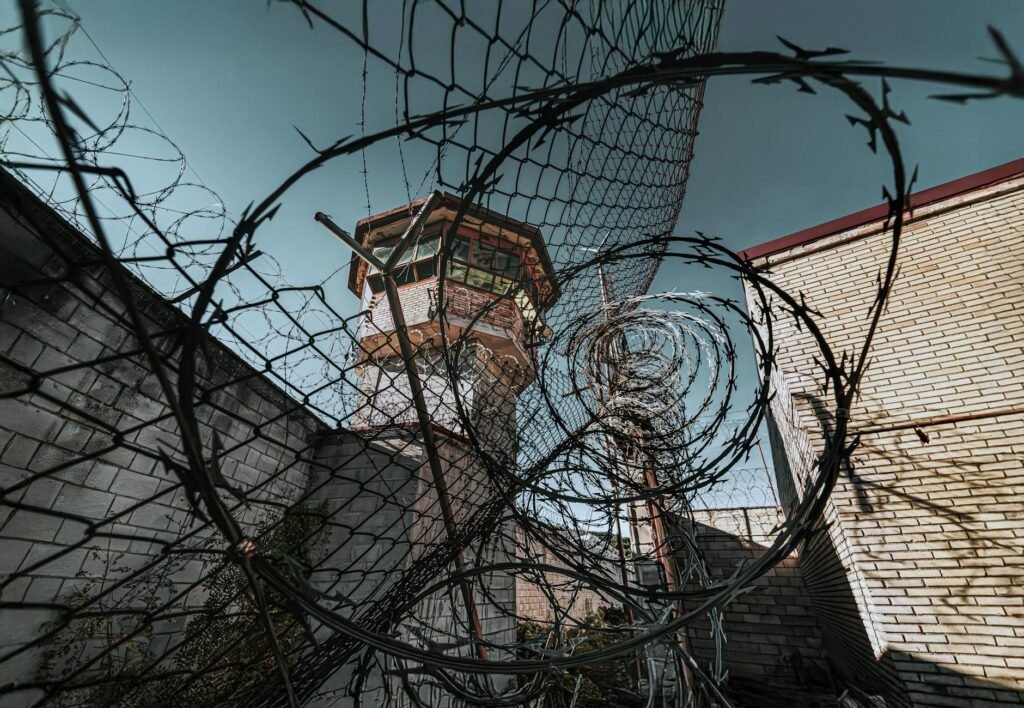
Narges Mohammadi, the prominent Iranian human rights activist and Nobel Peace Prize laureate, has been admitted to a hospital after experiencing a sudden collapse due to a heart problem while in prison. The incident has amplified concerns regarding the well-being of political prisoners in Iran, particularly those engaged in advocacy for women’s rights and broader civil liberties.
Sources indicate to TahirRihat.com that Mohammadi’s condition deteriorated rapidly, necessitating immediate medical attention. Her hospitalization underscores the precarious health situation faced by many individuals detained for their activism within the Iranian penal system. The circumstances surrounding her collapse and the subsequent transfer to a medical facility are being closely monitored by international human rights organizations and diplomatic circles.
Mohammadi, a vocal critic of Iran’s religious autocracy and a tireless campaigner for women’s rights and the abolition of the death penalty, has been a recurring target of the Iranian authorities. She has spent years in and out of prison, enduring multiple arrests and convictions on charges that her supporters and international observers deem politically motivated. Her persistent advocacy, even from behind bars, has made her a potent symbol of resistance against the oppressive regime.
The Nobel Committee awarded her the Peace Prize in 2023 for her fight against the oppression of women in Iran and her struggle to promote human rights and freedom for all. At the time of the award, she was already imprisoned, serving multiple sentences. The committee lauded her courage and dedication, highlighting her unwavering commitment to justice despite immense personal sacrifice. Her continued detention and deteriorating health raise serious questions about the Iranian government’s adherence to international human rights standards and its treatment of dissent.
Human rights groups have long documented the dire conditions within Iranian prisons, including inadequate medical care, overcrowding, and a lack of access to essential healthcare services. The case of Narges Mohammadi is seen by many as a stark illustration of these systemic issues. Her collapse and subsequent hospitalization are not isolated incidents but rather symptomatic of a broader pattern of mistreatment and neglect faced by political prisoners. The international community has repeatedly called for the immediate and unconditional release of Mohammadi and other unjustly detained activists, emphasizing the urgent need for humane treatment and access to proper medical care for all inmates.
The Iranian judiciary has a history of prosecuting activists, journalists, and perceived opponents of the government under broad national security charges. These charges are often used to silence critical voices and suppress any form of organized opposition. Mohammadi’s activism has focused on issues such as mandatory hijab laws, the death penalty, and the rights of political prisoners, all of which are highly sensitive topics for the Iranian authorities. Her ability to continue her work, even from prison, through smuggled messages and interviews, has been a source of inspiration for many, but it has also seemingly intensified the state’s efforts to silence her.
The international response to Mohammadi’s hospitalization is expected to be swift and strong. Governments and human rights organizations that have consistently advocated for her release are likely to intensify their pressure on Tehran. The United Nations, along with various national governments and international NGOs, has previously expressed deep concern over her detention and the conditions she has faced. Her current medical emergency is likely to trigger renewed calls for diplomatic intervention and sanctions against Iranian officials deemed responsible for the mistreatment of prisoners.
The specifics of Mohammadi’s heart condition and the extent of her current medical treatment remain unclear, as information flow from Iranian prisons is often restricted. However, the fact that she collapsed and required hospitalization suggests a serious health concern that could be exacerbated by the stressful and often unsanitary conditions of her incarceration. Her supporters are anxiously awaiting further updates on her condition and urging for transparency from the Iranian authorities regarding her medical care and overall well-being. The global human rights community views her health as intrinsically linked to her ongoing struggle for freedom and justice in Iran, and her well-being is a matter of international concern.
The Iranian government has consistently denied allegations of mistreatment of prisoners, often framing its actions as necessary measures to maintain national security and public order. However, a wealth of evidence from human rights organizations and testimonies from former prisoners paints a starkly different picture, detailing systematic abuses and a disregard for fundamental human rights. The international community’s continued scrutiny of Iran’s human rights record, particularly in light of high-profile cases like Mohammadi’s, serves as a crucial check on the government’s actions and a source of hope for those advocating for change within the country.
The long-term implications of Mohammadi’s health crisis extend beyond her individual case. It highlights the broader challenges faced by Iran’s civil society and the risks undertaken by those who dare to speak out against the regime. Her resilience and continued commitment to her cause, even in the face of severe personal hardship, have made her an enduring symbol of hope for many Iranians and a beacon for human rights advocates worldwide. Her current medical situation serves as a poignant reminder of the urgent need for continued international pressure to ensure her safety and the release of all political prisoners in Iran.


Tahir Rihat (also known as Tahir Bilal) is an independent journalist, activist, and digital media professional from the Chenab Valley of Jammu and Kashmir, India. He is best known for his work as the Online Editor at The Chenab Times.