


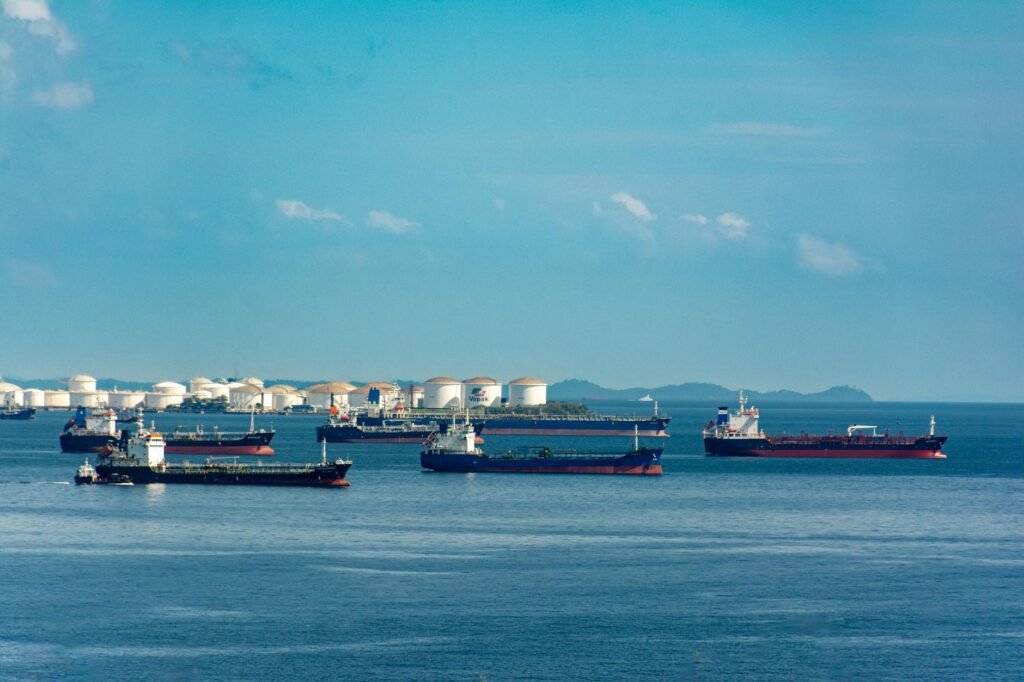
Iran’s vital oil sector and its broader economy are experiencing significant strain as the United States intensifies its blockade, raising questions about the nation’s capacity to sustain its current output and export levels. Tehran maintains a public stance of resilience, asserting its ability to weather the economic storm. However, the tightening grip of sanctions is increasingly limiting the avenues through which its crude oil can reach international markets.
The implications of this sustained pressure are far-reaching, impacting not only Iran‘s financial reserves but also its ability to fund domestic programs and maintain its geopolitical influence. Information reaching Tahir Rihat suggests that while the Iranian government has sought to mitigate the effects of these sanctions through various strategies, including the development of alternative markets and internal economic adjustments, the sheer scale of the U.S. blockade is proving to be a formidable challenge. The administration in Washington has been resolute in its objective to curb Iran’s oil revenues, viewing it as a key lever in its foreign policy towards the Islamic Republic.
The effectiveness of the U.S. sanctions regime is a complex issue, with analysts divided on the long-term consequences for both Iran and the global energy market. While Iran’s leadership has often projected an image of defiance, the reality on the ground, according to various reports, points to growing economic hardship. The country’s oil production capacity, though substantial, is becoming increasingly difficult to monetize when faced with a comprehensive embargo on its exports. This situation creates a precarious balance, where the government must navigate domestic discontent while simultaneously confronting external economic warfare.
The United States’ strategy has been to isolate Iran from the global financial system, making it exceptionally difficult for any entity to engage in transactions involving Iranian oil. This approach has led to a significant reduction in the volume of oil Iran can export, directly impacting its foreign exchange earnings. The New York Times reported that the nation’s oil may soon have nowhere to go, a stark assessment of the current predicament. This situation is not merely an economic issue; it carries significant geopolitical weight, influencing regional dynamics and international relations.
Sources indicate to Tahir Rihat that the Iranian government is exploring various unconventional methods to circumvent the sanctions, including the use of opaque shipping networks and the potential for discreet sales to willing buyers. However, the risk associated with such transactions is substantial, as any entity found to be violating U.S. sanctions faces severe penalties. This has created a climate of caution among potential buyers, further constricting Iran’s export options. The administration’s stated goal is to pressure Iran into altering its behavior, particularly concerning its nuclear program and regional activities.
The economic fallout within Iran is palpable. Reports from the ground suggest that the currency has depreciated significantly, leading to increased inflation and a decline in the purchasing power of ordinary citizens. The government’s ability to import essential goods and services is also hampered, creating a ripple effect across various sectors of the economy. While official statements from Tehran often emphasize self-sufficiency and the development of domestic industries, the reliance on oil revenues for national budgeting remains a critical vulnerability.
The international community’s response to the U.S. sanctions on Iran has been varied. While some nations have aligned with Washington’s policy, others have expressed concerns about the humanitarian impact and the potential for destabilizing the region. The European Union, for instance, has sought to maintain trade relations with Iran through alternative payment mechanisms, but these efforts have faced considerable challenges due to the extraterritorial reach of U.S. sanctions. The global energy market itself is also affected, as disruptions in supply from a major producer like Iran can lead to price volatility, although the current global supply dynamics may be absorbing some of the impact.
The long-term sustainability of Iran’s current economic model under such intense pressure remains a subject of considerable debate. The government’s ability to adapt and innovate in the face of these challenges will be crucial. However, the fundamental issue of accessing global markets for its primary export commodity presents a significant hurdle. As the U.S. blockade continues to bite, the question of how long Iran can endure the economic pain and find viable outlets for its oil becomes increasingly pressing, with potential ramifications for regional stability and global energy security.


Tahir Rihat (also known as Tahir Bilal) is an independent journalist, activist, and digital media professional from the Chenab Valley of Jammu and Kashmir, India. He is best known for his work as the Online Editor at The Chenab Times.