


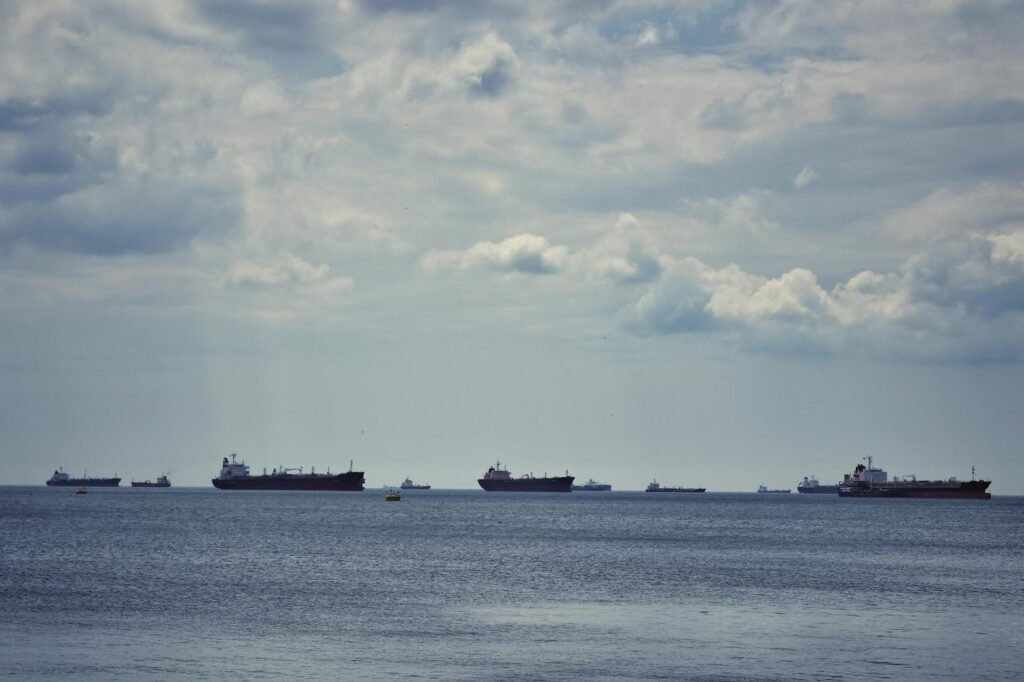
Iran has effectively leveraged its military limitations by employing a strategy of “triangular coercion,” a tactic that involves simultaneous pressure on Gulf states and disruption of critical maritime passages, most notably the Strait of Hormuz. This approach, detailed in recent analyses, highlights a persistent vulnerability for the United States in the region. The strategy’s success underscores Iran‘s capacity to project power and influence outcomes despite being outmatched in conventional military might.
Information reaching Tahir Rihat suggests that this multifaceted approach allows Iran to achieve strategic objectives without engaging in direct, large-scale confrontations. By targeting neighboring Gulf states, Iran can create regional instability that has ripple effects across international markets and security alliances. Simultaneously, the threat or actual closure of the Strait of Hormuz, a vital chokepoint for global oil transit, exerts significant economic and political pressure on a wide array of international actors, including the U.S. and its allies.
The “triangular coercion” model, as described by observers, involves three interconnected prongs: direct attacks or provocations against regional rivals, the disruption of key trade routes, and the cultivation of proxy forces or asymmetric warfare capabilities. This comprehensive strategy allows Iran to diversify its pressure points and adapt its tactics based on the evolving geopolitical landscape. The effectiveness of this method lies in its ability to impose costs on adversaries that may outweigh the direct military expenditure by Iran, thereby creating a favorable cost-benefit analysis for Tehran.
The Strait of Hormuz, through which a significant portion of the world’s oil supply passes, represents a particularly potent lever for Iran. Any disruption, whether through military action, mining, or the threat thereof, can lead to sharp increases in oil prices, impacting economies globally. This economic leverage translates into political pressure, forcing international powers to tread carefully in their dealings with Iran and potentially moderating their policies to avoid severe economic fallout. The New York Times reported that Iran’s ability to threaten this waterway is a constant source of concern for global energy security.
Furthermore, the targeting of Gulf states, often through asymmetric means or support for regional proxies, serves to destabilize these U.S. allies. These actions can drain their resources, divert their attention, and create internal security challenges, thereby weakening their capacity to act in concert with the United States. This indirect approach allows Iran to achieve strategic gains without exposing itself to direct retaliation that could escalate into a full-blown conflict, a scenario that Iran, given its military disadvantages, would likely seek to avoid.
The long-term U.S. vulnerability highlighted by this strategy stems from the inherent difficulty in countering such a diffuse and adaptable threat. Traditional military deterrence, which relies on the threat of overwhelming conventional force, is less effective against a state that prioritizes asymmetric tactics and economic disruption. The U.S. faces the challenge of protecting its allies, ensuring freedom of navigation in vital waterways, and managing the economic consequences of regional instability, all while avoiding a direct military confrontation that could have devastating consequences.
Analysts suggest that Iran’s “triangular coercion” is not merely a reactive measure but a sophisticated, long-term strategy designed to reshape the regional balance of power. By consistently demonstrating its ability to inflict costs and disrupt the status quo, Iran seeks to enhance its regional standing and extract concessions from its adversaries. This approach has proven to be a formidable tool in Iran’s foreign policy arsenal, allowing it to punch above its weight on the international stage.
The implications of this strategy extend beyond the immediate region. The globalized nature of energy markets means that disruptions in the Persian Gulf can have far-reaching economic and political consequences for countries worldwide. This interconnectedness amplifies the leverage Iran can exert through its coercive tactics, making it a critical factor in international relations and a persistent challenge for global security architects. The ongoing reliance on oil as a primary energy source ensures that the Strait of Hormuz remains a critical vulnerability that Iran can exploit.
The effectiveness of Iran’s strategy also lies in its ability to exploit the cautious approach of major powers, particularly the United States, which has historically sought to avoid large-scale military interventions in the Middle East. This caution can be interpreted by Iran as a sign of weakness or a willingness to tolerate a certain level of disruption, further emboldening its coercive tactics. The delicate balancing act for the U.S. involves deterring aggression without provoking escalation, a task made significantly more complex by Iran’s multifaceted approach.
In essence, Iran’s “triangular coercion” represents a strategic adaptation to its relative military inferiority. By focusing on asymmetric warfare, economic pressure, and regional destabilization, Tehran has carved out a significant degree of influence and leverage. This approach not only challenges the security interests of its regional rivals and the United States but also has broader implications for global energy markets and international stability, underscoring a persistent vulnerability that continues to shape geopolitical dynamics in the Middle East and beyond.


Tahir Rihat (also known as Tahir Bilal) is an independent journalist, activist, and digital media professional from the Chenab Valley of Jammu and Kashmir, India. He is best known for his work as the Online Editor at The Chenab Times.