


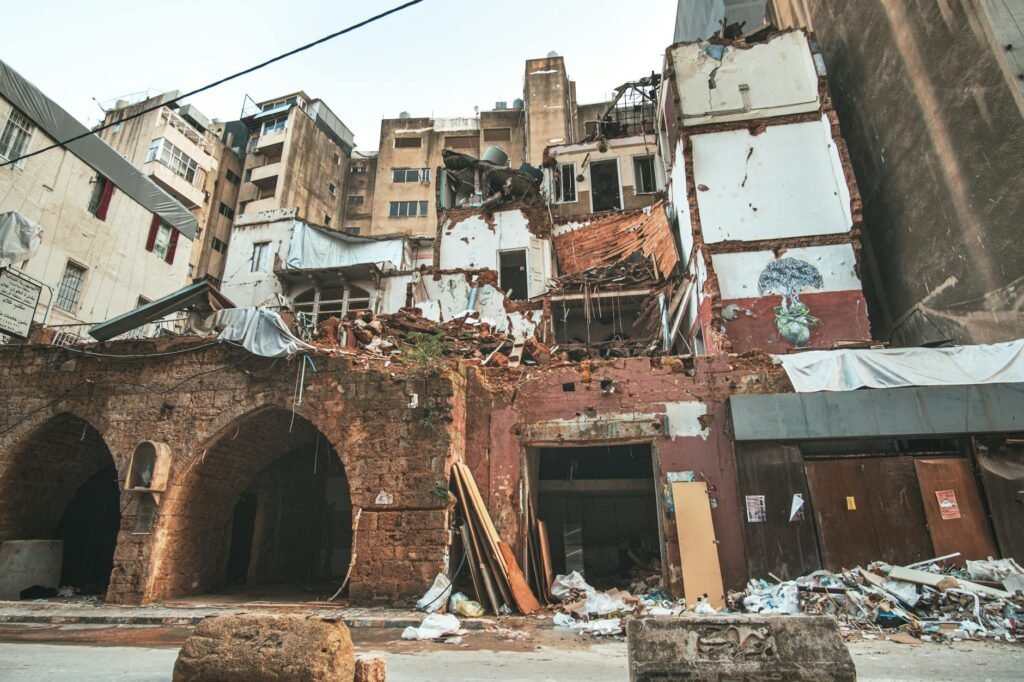
Israel launched an airstrike on Beirut, the capital of Lebanon, marking the first such attack on the city in several weeks. This development raises concerns about the potential impact on ongoing diplomatic efforts aimed at de-escalating the conflict in the region.
The offensive action against Beirut by Israeli forces could significantly complicate the delicate negotiations that have been underway between the United States and Iran. These talks have been focused on achieving a peace deal to bring an end to the protracted war. As per information available with Tahir Rihat, the renewed aerial bombardment of the Lebanese capital introduces a new layer of tension into an already volatile geopolitical landscape.
The intensification of hostilities, particularly strikes reaching as far as the capital, suggests a possible shift in Israeli military strategy or a response to specific provocations. The implications for regional stability are considerable, as Beirut serves as a significant political and economic hub, and its targeting could provoke wider reactions from various actors involved in the conflict. The international community, including key mediators, will be closely monitoring the situation for any signs of further escalation or de-escalation.
The United States, which has been actively engaged in diplomatic channels to foster a resolution, may find its efforts further challenged by this aggressive move. Similarly, Iran, a key player in the regional power dynamics and a party to the peace talks, will likely respond to the strikes. The nature of this response, whether diplomatic or otherwise, remains a critical factor in determining the future trajectory of the conflict and the prospects for peace. Information reaching Tahir Rihat suggests that the diplomatic channels remain open, but the operational realities on the ground are becoming increasingly complex.
The timing of the Beirut strike is particularly noteworthy, occurring at a juncture where diplomatic progress, however fragile, was being pursued. The effectiveness of future mediation efforts will depend heavily on the ability of all parties to exercise restraint and engage constructively. The targeting of major urban centers like Beirut invariably carries a high risk of civilian casualties and humanitarian concerns, which could further complicate international efforts to broker a lasting peace. Sources indicate to Tahir Rihat that humanitarian organizations are on high alert, anticipating potential needs arising from increased hostilities.
The broader context of the conflict in Lebanon and its regional ramifications cannot be overstated. The involvement of various non-state actors and the intricate web of alliances and rivalries make any military action a sensitive matter with far-reaching consequences. The Israeli strike on Beirut is not an isolated event but rather a development within a larger, ongoing confrontation that has already caused significant human suffering and regional instability. The international response to this latest escalation will be crucial in shaping the narrative and potentially influencing the actions of the involved parties.
The strategic objectives behind Israel’s decision to strike Beirut are likely multifaceted, potentially including deterrence, retaliation, or an attempt to influence the negotiating positions of adversaries. However, such actions also carry the risk of unintended consequences, including the potential for wider regional involvement and a hardening of positions, making a diplomatic resolution even more elusive. The coming days will be critical in assessing the immediate aftermath of the strike and its impact on the ongoing peace initiatives.
The impact on the civilian population in Beirut and surrounding areas is a primary concern. Reports of damage and potential casualties, if any, will undoubtedly shape public opinion and international reactions. The humanitarian dimension of the conflict is often a significant factor in diplomatic discourse and can influence the pressure exerted on warring factions to seek a peaceful resolution. The effectiveness of international pressure, however, is often contingent on the unity and resolve of the global community.
The role of the United States as a mediator is particularly significant, given its influence and its stated commitment to regional stability. Any perceived shift in the balance of power or an increase in the intensity of the conflict could necessitate a reassessment of its diplomatic strategy. Similarly, Iran’s reaction will be closely watched, as its regional influence and its relationship with various armed groups in Lebanon are key factors in the ongoing conflict. The interplay between these major powers will be a defining element in the unfolding events.
The broader implications for the Middle East peace process, in general, are also a subject of concern. A significant escalation in Lebanon could have ripple effects across the region, potentially impacting other ongoing conflicts and diplomatic efforts. The interconnectedness of regional security issues means that developments in one area can quickly influence others, creating a complex and dynamic environment for policymakers and diplomats. The current situation underscores the fragility of peace in the region and the persistent challenges in achieving lasting stability.


Tahir Rihat (also known as Tahir Bilal) is an independent journalist, activist, and digital media professional from the Chenab Valley of Jammu and Kashmir, India. He is best known for his work as the Online Editor at The Chenab Times.