


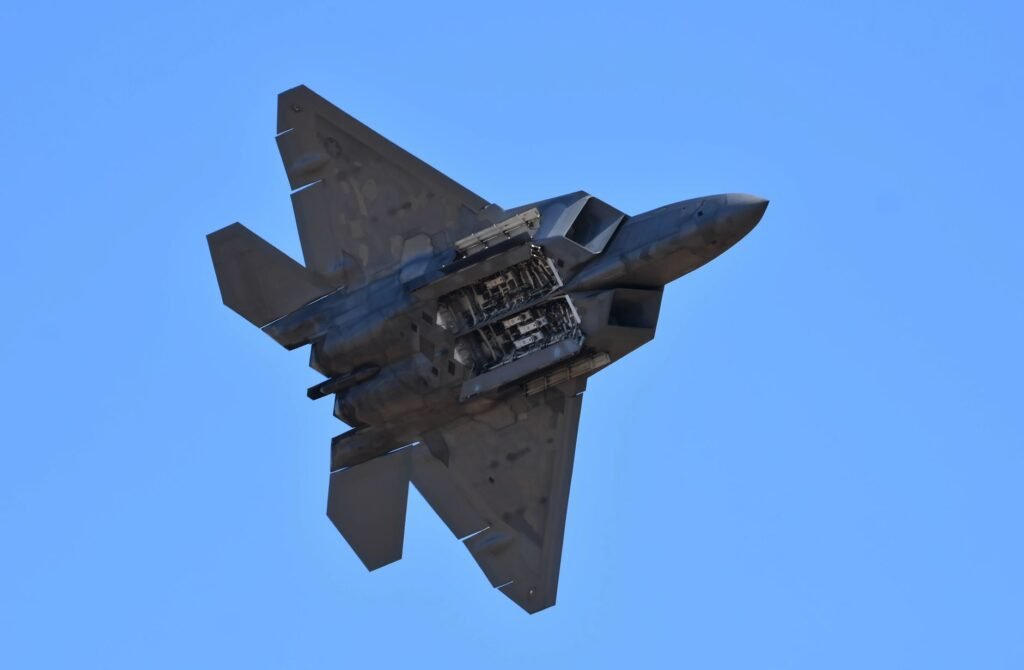
Israeli warplanes have intensified their military operations across southern Lebanon in recent days, launching a series of strikes targeting positions and infrastructure associated with Hezbollah, the powerful Iran-backed militant group. The escalation marks a significant increase in hostilities, with residents in affected areas reporting the sound of aircraft and explosions.
Information reaching Tahir Rihat suggests that the recent surge in Israeli military activity is a direct response to ongoing cross-border attacks by Hezbollah. The militant group has been launching rockets and engaging in shelling against northern Israeli communities, prompting a retaliatory response from the Israeli Defense Forces (IDF). The pattern of engagement has become increasingly volatile, raising concerns about a broader regional conflict.
The intensified campaign involves pinpoint strikes aimed at disrupting Hezbollah’s operational capabilities, including alleged weapons depots, command centers, and launch sites. The Israeli military has stated its objective is to degrade Hezbollah’s ability to launch attacks into Israel and to restore security for its northern population. However, the nature of the conflict, with Hezbollah operating within civilian areas, presents significant challenges and risks for non-combatants.
Residents in southern Lebanese towns and villages have described a tense atmosphere, with many living under the constant threat of airstrikes. The sound of Israeli warplanes circling overhead has become a frequent occurrence, a stark reminder of the escalating military confrontation. The impact of these strikes extends beyond military targets, with reports of damage to civilian property and infrastructure in the affected regions.
Hezbollah, for its part, has continued to respond to Israeli actions, launching its own volleys of rockets and missiles into northern Israel. The group has vowed to retaliate against any Israeli aggression, further fueling the cycle of violence. The ongoing exchange of fire has led to casualties on both sides, though precise figures are often difficult to verify independently in the midst of active hostilities.
The current escalation is part of a broader regional tension that has been simmering for months, exacerbated by the ongoing conflict in Gaza. Analysts suggest that the increased activity along the Israel-Lebanon border is intricately linked to the wider geopolitical landscape, with various regional actors playing a role in the unfolding events. The involvement of Iran through its support for Hezbollah adds another layer of complexity to the situation.
The international community has expressed growing concern over the escalating violence, urging restraint from all parties involved. Diplomatic efforts are reportedly underway to de-escalate the situation and prevent a wider conflagration. However, the deep-seated animosity and the complex web of alliances and rivalries make finding a peaceful resolution a formidable challenge. The humanitarian implications for the civilian populations in both Lebanon and Israel are significant, with displacement and fear becoming pervasive.
The Israeli military has indicated that its operations will continue as long as it perceives a threat from Hezbollah. The group has also reiterated its commitment to confronting Israeli actions. This standoff suggests that the current phase of intensified military activity may persist, with the potential for further escalation if diplomatic channels fail to yield results or if either side perceives a strategic advantage in further military engagement. The situation remains fluid, with developments on the ground dictating the trajectory of the conflict.


Tahir Rihat (also known as Tahir Bilal) is an independent journalist, activist, and digital media professional from the Chenab Valley of Jammu and Kashmir, India. He is best known for his work as the Online Editor at The Chenab Times.