


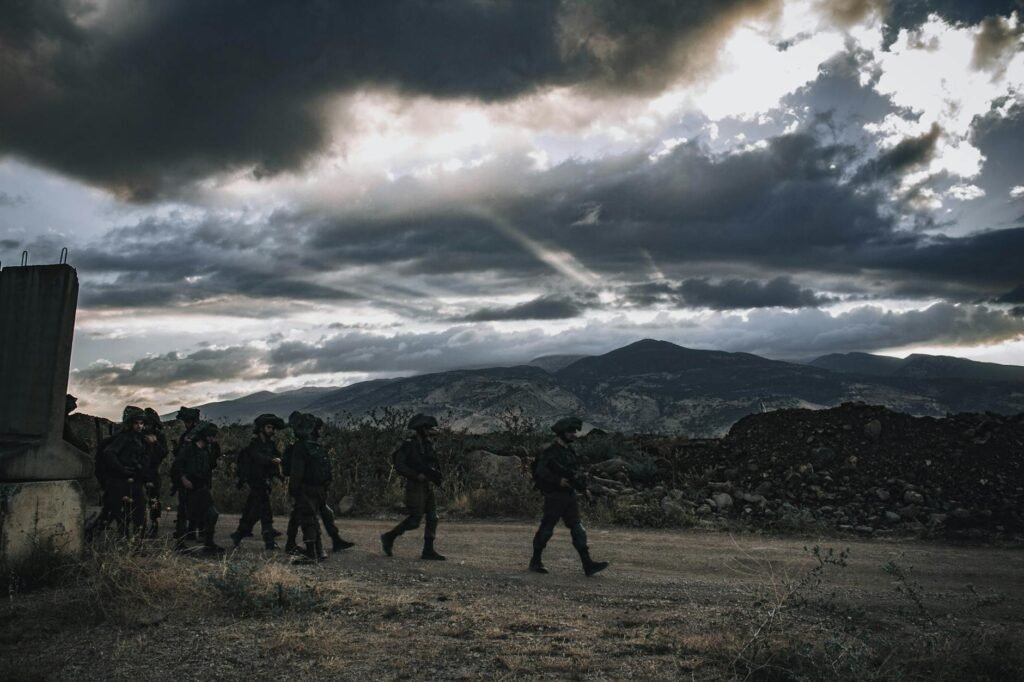
Israel has significantly escalated its military operations in southern Lebanon, launching a series of intensified strikes against Hezbollah positions. This surge in hostilities comes at a critical juncture, as the United States is reportedly engaged in diplomatic efforts aimed at de-escalating tensions with Iran and its proxies in the region. The heightened exchange of fire between Israeli forces and the Iran-backed militant group threatens to undermine these delicate diplomatic initiatives.
Hezbollah, in turn, has maintained its barrage of rocket and drone attacks targeting Israeli military installations and personnel along the border. This reciprocal escalation paints a grim picture of a conflict that shows no immediate signs of abatement, raising concerns about a wider regional conflagration. The ongoing violence complicates the broader geopolitical landscape, particularly for the United States, which is seeking to foster stability and prevent further escalation in the Middle East. Information reaching Tahir Rihat suggests that the current trajectory of military action could have significant implications for ongoing diplomatic dialogues concerning Iran’s regional influence and its support for militant groups.
The intensified Israeli strikes are reportedly aimed at degrading Hezbollah’s military capabilities, including its rocket launch sites, command centers, and weapons depots. These operations are being conducted with a greater frequency and intensity than previously observed, indicating a strategic shift in Israel’s approach to the northern front. The Israeli military has stated that its actions are in response to continuous attacks from Lebanon and are necessary for the security of its citizens and soldiers. The nature of these strikes suggests a deliberate effort to inflict significant damage on Hezbollah’s infrastructure, potentially pushing the boundaries of the current conflict.
Sources indicate to Tahir Rihat that the diplomatic push by the United States is focused on a comprehensive deal that would address Iran’s nuclear program, its ballistic missile development, and its support for regional proxies like Hezbollah. However, the escalating violence on the Lebanese border presents a direct challenge to these diplomatic aspirations. The ability of the US to mediate a de-escalation is directly correlated with the restraint shown by both sides on the ground. The current situation suggests that Hezbollah, emboldened by its continued resistance, is unwilling to cede ground, while Israel feels compelled to respond forcefully to perceived threats.
The international community is closely monitoring the situation, with many nations expressing concern over the potential for a wider conflict. The United Nations Interim Force in Lebanon (UNIFIL) has been actively engaged in efforts to de-escalate tensions and prevent further loss of life, but its influence appears limited in the face of the current military intensity. The ongoing exchanges are not only a threat to regional stability but also pose a significant humanitarian challenge, with civilians in border areas on both sides facing increased danger and displacement. The economic implications of such an escalation are also considerable, potentially impacting global energy markets and international trade routes.
The strategic objectives of both Israel and Hezbollah in this escalating conflict remain a subject of intense analysis. For Israel, the primary goal is to ensure the safety of its northern communities and to neutralize the immediate threat posed by Hezbollah’s arsenal. This includes a long-term strategy to push Hezbollah forces away from the border, a goal that has been pursued through various means over the years. Hezbollah, on the other hand, views its actions as part of a broader resistance against Israeli occupation and influence in the region, and its continued rocket fire is a demonstration of its capability and resolve.
The involvement of the United States in pushing for an Iran peace deal adds another layer of complexity. Washington’s dual approach of applying pressure on Iran while simultaneously seeking diplomatic engagement is a delicate balancing act. The success of these diplomatic efforts hinges on the ability to create an environment conducive to negotiation, which is currently being undermined by the escalating military exchanges. The Biden administration has been vocal about its commitment to preventing Iran from acquiring nuclear weapons and curbing its destabilizing activities in the region. However, the current events in Lebanon suggest that achieving these objectives will be an uphill battle.
The broader implications of this conflict extend beyond the immediate border region. A significant escalation could draw in other regional actors, further destabilizing an already volatile Middle East. The interconnectedness of regional security dynamics means that events in Lebanon can have ripple effects across the Levant and beyond. The international response, therefore, is crucial in preventing a wider conflict and in supporting diplomatic solutions. The current situation underscores the persistent challenges in managing regional security and the complex interplay between military actions and diplomatic endeavors in the Middle East.


Tahir Rihat (also known as Tahir Bilal) is an independent journalist, activist, and digital media professional from the Chenab Valley of Jammu and Kashmir, India. He is best known for his work as the Online Editor at The Chenab Times.