


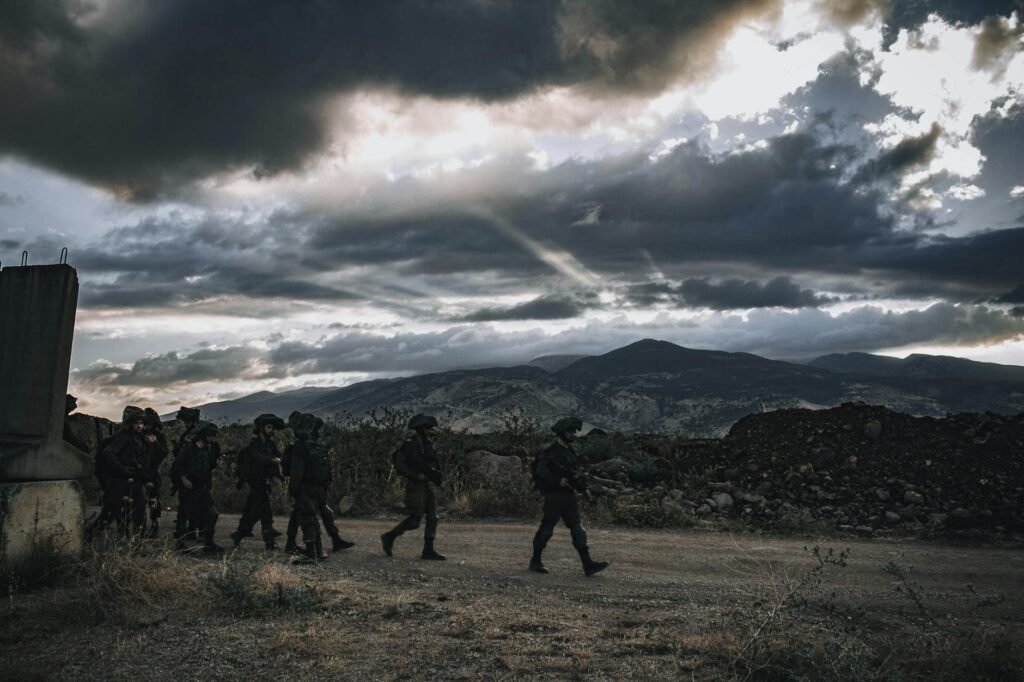
The Israeli military has issued extensive evacuation warnings for two cities in southern Lebanon, signaling that a significant escalation of airstrikes is imminent. This development underscores the continuing volatile situation along the Israel-Lebanon border, where tensions have been running high for months.
The warnings, which encompass broad areas within the southern Lebanese cities, indicate a heightened state of alert and preparedness for intensified military operations. Residents in the designated zones have been advised to leave their homes, a measure that typically precedes substantial aerial bombardments. The specific cities targeted by these warnings have not been immediately disclosed, but the scope suggests a widespread impact on civilian populations in the region. As per information available with Tahir Rihat, the Israeli military’s communication of these warnings is a critical step in its operational procedures, designed to mitigate civilian casualties while preparing for offensive actions.
The issuance of these evacuation orders comes amid a backdrop of persistent cross-border exchanges between Israeli forces and Hezbollah militants. While the nature and scale of the impending airstrikes remain unclear, the preemptive nature of the warnings points towards a significant Israeli intent to degrade Hezbollah’s capabilities or infrastructure in the area. The military’s decision to alert civilians suggests a strategic calculation aimed at minimizing harm to non-combatants while maximizing the effectiveness of its planned strikes. This proactive communication, though disruptive to daily life, is a standard procedure in conflict zones when large-scale military actions are contemplated.
Hezbollah, a powerful militant group and political party in Lebanon, has been engaged in a sustained conflict with Israel since the outbreak of hostilities in the region. The group has frequently launched rockets and missiles into northern Israel in solidarity with Palestinians in Gaza, prompting retaliatory strikes from the Israeli military. The current situation represents a dangerous phase in this ongoing confrontation, with the potential for a wider regional conflagration remaining a persistent concern for international observers.
The warnings are likely to trigger a wave of displacement, adding to the considerable number of people already displaced by the ongoing conflict. Humanitarian organizations are expected to face immense challenges in assisting those who are forced to flee their homes for a second or even third time. The economic and social fabric of these southern Lebanese cities is already strained, and further disruption could have devastating long-term consequences for the region’s inhabitants. The international community has repeatedly called for de-escalation and a peaceful resolution to the conflict, but these calls have so far yielded limited results.
The Israeli military’s actions are often framed as defensive responses to attacks originating from Lebanon. However, the scale of the ongoing exchanges and the preemptive evacuation warnings suggest a potential shift towards more aggressive offensive operations. The strategic objectives behind these potential strikes could include targeting Hezbollah’s command and control centers, weapons depots, or launch sites. The effectiveness of such strikes, however, is often debated, with concerns about collateral damage and the potential for unintended escalation always present.
The geopolitical implications of this escalation are significant. The conflict along the Israel-Lebanon border is closely watched by regional and global powers, as it has the potential to draw in other actors and destabilize an already volatile Middle East. Diplomatic efforts to contain the conflict and prevent a full-blown war are ongoing, but the current trajectory suggests a challenging path ahead. The international community’s role in mediating a de-escalation and providing humanitarian assistance will be crucial in the coming days and weeks.
The warnings issued by the Israeli military are a stark reminder of the human cost of prolonged conflict. For the residents of southern Lebanon, the prospect of further violence and displacement is a grim reality. The coming hours and days will be critical in determining the extent of the military operations and their impact on the civilian population. The international community will be closely observing the situation, with hopes that a path towards de-escalation can be found before the situation deteriorates further.


Tahir Rihat (also known as Tahir Bilal) is an independent journalist, activist, and digital media professional from the Chenab Valley of Jammu and Kashmir, India. He is best known for his work as the Online Editor at The Chenab Times.