


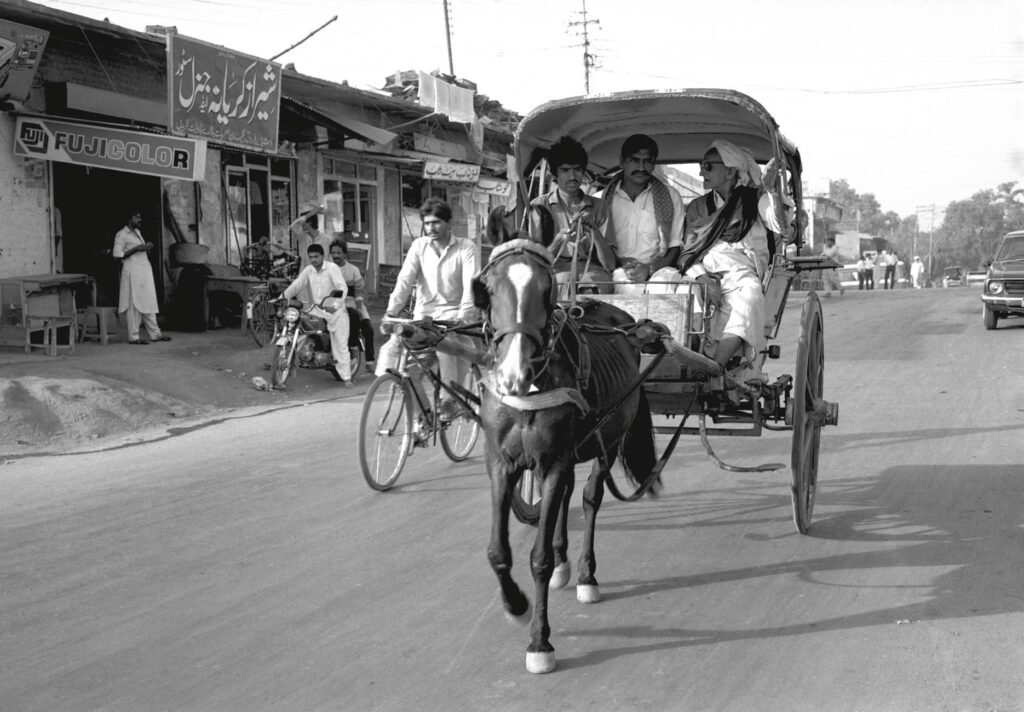
In Jammu, traditional horse-driven tongas are experiencing a resurgence in popularity, particularly in the R S Pura sector. This comeback aligns with Prime Minister Narendra Modi’s call for fuel conservation. The tongas, deeply rooted in the region’s history, formerly facilitated travel between Jammu and Sialkot before the partition of India.
These horse-drawn carriages have endured in parts of R S Pura for over seven decades. The renewed interest stems from locals and tourists seeking an environmentally conscious mode of transportation. The tongas serve both as a form of entertainment within border tourism initiatives and for short commutes in villages near the International Border. Information reaching TahirRihat.com suggests that this revival showcases a blend of tradition and sustainability.
Teja Singh, a long-time tanga operator, explained that prior to 1947, tongas were the primary means of transport between Sialkot and Jammu. According to Singh, while their popularity waned over the years, the Prime Minister’s recent appeal has spurred a renewed interest in using tongas for short-distance travel within villages. He also added that tonga operators gather every Saturday and Sunday in the area to uphold this cultural heritage.
Another operator, Rattan Singh, noted that the increasing emphasis on fuel conservation across the nation has contributed to the renewed preference for tongas. Singh explained that tongas are now used for travel from Zero Line to R S Pura. He noted a shift away from fuel-powered vehicles toward tongas, highlighting their fuel-free operation as a significant advantage. This transition mirrors broader efforts to diminish vehicle emissions and promote alternatives to conventional petrol and diesel vehicles.
Tourists visiting the border region have expressed their support for the revival of this traditional mode of transport. A group of tourists, including Davain, Dharmi, Lacha Patel, Rahi, and Pavitra, stated that tonga rides not only conserve fuel but also provide a glimpse into the region’s heritage and rural life. Rahi was quoted as saying, “Such traditional modes of transport help in conserving fuel. Arrangements like tongas are not only better for the environment but also keep our traditions alive. Such rides should be promoted in tourism and border areas.”
The visiting tourists emphasized that riding a tonga fosters a connection with their cultural heritage, reflecting the harmonious relationship between humans and animals while maintaining eco-friendliness. As per the tourists, a tonga ride embodies a piece of cultural identity. Despite the importance of modern technology, they stressed the equal importance of safeguarding cultural traditions.
The resurgence of tongas aligns with a broader global movement towards sustainable transportation options. The increasing awareness of environmental issues and the need to reduce carbon emissions have led to a renewed appreciation for traditional, eco-friendly modes of transport. In many cities around the world, there’s a growing interest in cycling, walking, and the use of electric vehicles, all aimed at minimizing the environmental impact of transportation.
This renewed interest in tongas can offer economic benefits to the local community. The operation and maintenance of tongas create jobs for horse handlers, carriage repairers, and related support services. The promotion of tonga rides as a tourist attraction can also generate revenue for local businesses and boost the overall economy of the region. Furthermore, supporting traditional crafts and practices helps preserve cultural heritage, which is an essential element of sustainable development.
The revival of traditional modes of transport like tongas contributes to the preservation of cultural heritage. These carriages are not just means of transportation; they symbolize a bygone era and represent the unique cultural identity of the region. By promoting and preserving these traditions, communities can maintain their cultural roots and pass them on to future generations. The fusion of tradition and sustainability can create a more harmonious and resilient society.


Tahir Rihat (also known as Tahir Bilal) is an independent journalist, activist, and digital media professional from the Chenab Valley of Jammu and Kashmir, India. He is best known for his work as the Online Editor at The Chenab Times.