


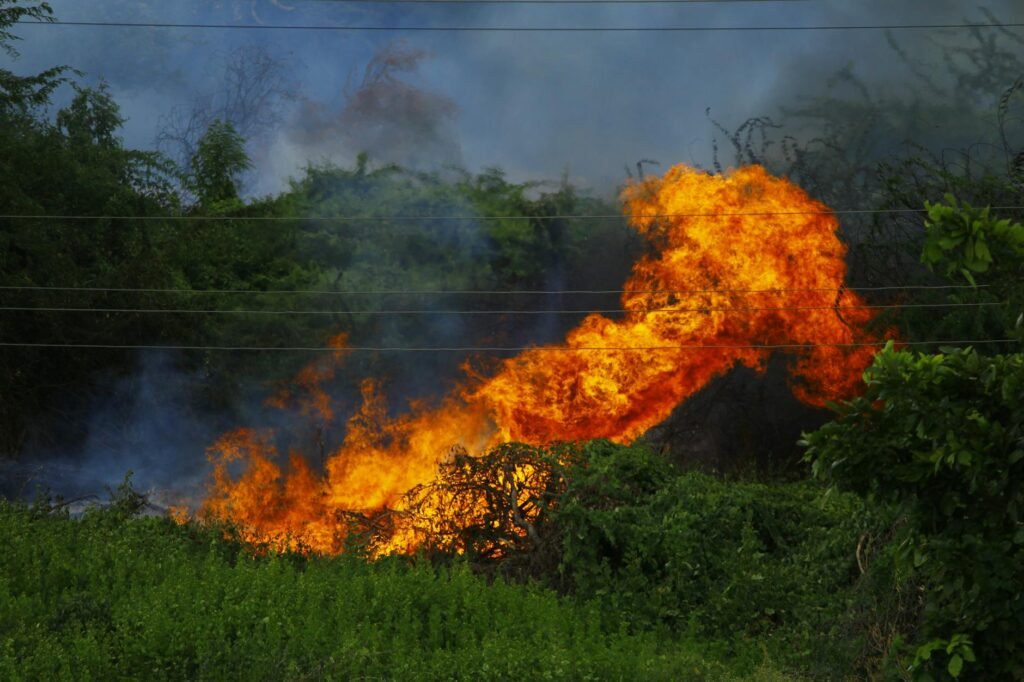
Jammu is currently experiencing an intense heat wave, with temperatures reaching a maximum of 40.3 degrees Celsius. The city and surrounding areas are facing unrelenting heat, impacting daily life and prompting advisories from local authorities.
The Meteorological Department has indicated that the dry weather pattern is expected to persist, exacerbating the already challenging conditions. Residents are advised to take necessary precautions to mitigate the effects of the heat, including staying hydrated and avoiding strenuous activities during peak hours. As per information available with TahirRihat.com, the maximum temperature in Jammu district was recorded at 40.3 degrees Celsius, while the minimum temperature was 24.6 degrees Celsius. Katra town in Reasi district was the second hottest place, recording a maximum of 37.8 degrees Celsius and a minimum of 22.6 degrees Celsius.
In contrast to the soaring temperatures in Jammu and Katra, other areas in the region experienced milder weather. Banihal recorded a temperature of 25.6 degrees Celsius, Batote 28.1 degrees Celsius, and Bhaderwah 27.2 degrees Celsius, according to data provided by the MeT Department. The varying temperatures across different locations highlight the diverse climatic conditions within the Jammu and Kashmir region. The MeT official also noted that while May 25th saw generally dry weather, there were brief showers, gusty winds, and hailstorms in scattered areas during the late afternoon hours. Looking ahead, (the MeT official said that, “May 26-27 will experience generally hot and dry weather.”)
The forecast indicates a potential shift in weather patterns towards the end of the month. (According to the MeT official, “May 28 and 29 will experience generally cloudy weather with one or two spells of rain, thundershowers, and hailstorms with gusty winds at scattered to fairly widespread places.”) The possibility of rain and thunderstorms offers a potential respite from the heat; however, the accompanying hailstorms and gusty winds could pose additional challenges. For the period from May 30 to June 3, (the MeT official added that, “the weather will be generally dry with brief spells of rain and thundershower at isolated places towards late afternoon hours can’t be ruled out.”)
In response to the prevailing heat wave, the Jammu and Kashmir School Education Department has announced summer vacations for students. Classes 1 to 6 (Primary) will have vacation from June 1 to July 22, while Classes 7 to 12 will have vacation from June 8 to July 22. This decision aims to protect students from the adverse effects of the heat and ensure their well-being during the hottest period of the year. Educational institutions are taking proactive measures to safeguard the health and safety of their students, recognizing the potential risks associated with prolonged exposure to high temperatures.
The intense heat has also driven an increase in tourism to the cooler, hilly regions of the Jammu Division. Tourist destinations such as Bhaderwah, Kishtwar, Patnitop, Nathatop, Sanasar, and Bani have witnessed a surge in visitors seeking refuge from the scorching heat in the plains. The influx of tourists underscores the impact of the heat wave on daily life, with people actively seeking out cooler environments to escape the extreme temperatures. The tourism sector in these regions is benefiting from the increased demand, providing a boost to local economies.
Local authorities and health organizations are advising residents to stay indoors during peak heat hours, drink plenty of water, and wear lightweight, light-colored clothing. These measures are essential to prevent heatstroke and other heat-related illnesses, particularly among vulnerable populations such as the elderly and young children. The ongoing heat wave serves as a reminder of the importance of preparedness and preventive measures in mitigating the impact of extreme weather events.


Tahir Rihat (also known as Tahir Bilal) is an independent journalist, activist, and digital media professional from the Chenab Valley of Jammu and Kashmir, India. He is best known for his work as the Online Editor at The Chenab Times.