


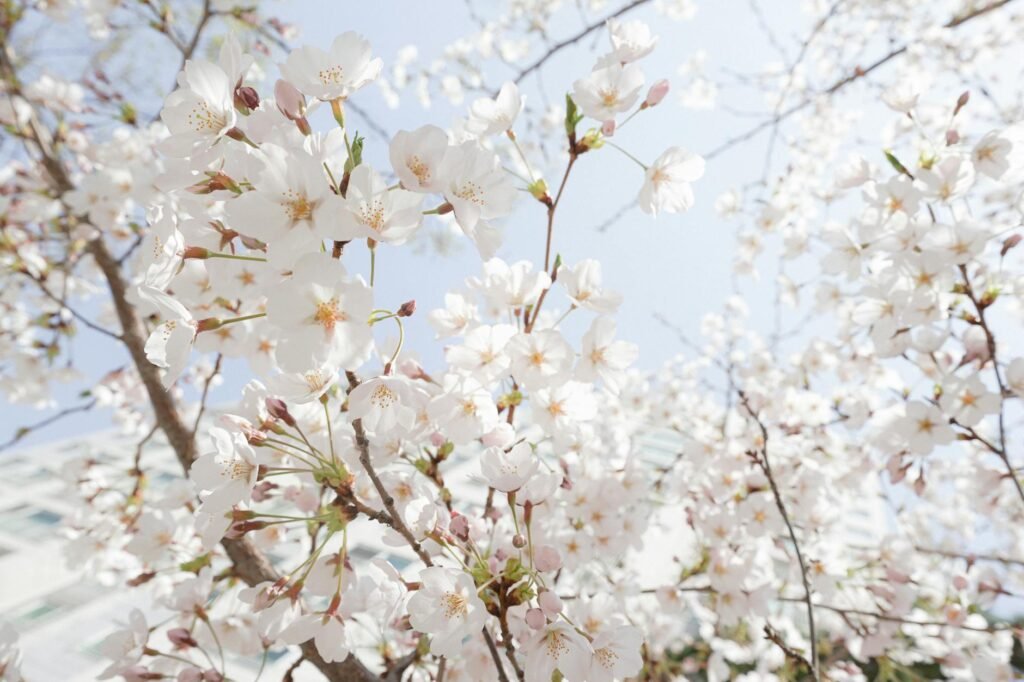
Cherry blossom season, a deeply ingrained cultural tradition in Japan known as ‘hanami,’ is increasingly drawing enthusiasts from the archipelago to the blooming landscapes of South Korea. This burgeoning trend highlights a growing appreciation for shared natural beauty and a subtle yet significant cultural exchange between the two East Asian neighbors. While the practice of hanami is a cherished rite of passage for many Japanese, a segment of the population is now extending their appreciation for these ephemeral floral displays across the Korean Strait.
Information reaching TahirRihat.com suggests that the allure of South Korea’s cherry blossoms is multifaceted. Beyond the sheer visual spectacle, the experience offers a different, perhaps more serene, backdrop compared to the often crowded viewing spots in Japan. This shift in destination is not merely about seeking out the blossoms themselves, but also about experiencing them in a new cultural context. The Japanese visitors are finding that the parks and avenues adorned with South Korea’s cherry blossoms provide a unique setting for their beloved tradition, fostering a sense of discovery alongside the familiar comfort of hanami.
The phenomenon underscores a broader trend of cross-border cultural engagement that has been steadily growing. As travel becomes more accessible and information more readily shared, individuals are increasingly looking beyond their immediate borders to explore cultural practices and natural wonders. The Japanese connoisseurs of cherry blossoms are a prime example of this, demonstrating a willingness to embrace and participate in traditions that, while originating elsewhere, resonate with their own cultural sensibilities. This cross-pollination of cultural appreciation is a testament to the enduring power of nature and shared human experiences to transcend national boundaries.
The appeal of South Korea’s cherry blossoms for Japanese visitors can also be attributed to the geographical proximity and the well-developed tourism infrastructure that facilitates easy travel. Many of the prime cherry blossom viewing locations in South Korea, such as those in Seoul, Busan, and Jeju Island, are renowned for their stunning displays. These locations often offer a blend of natural beauty and cultural attractions, providing a comprehensive travel experience. The Japanese visitors, accustomed to the meticulous planning and appreciation of hanami, are finding that South Korea offers a comparable, if not enhanced, experience in terms of the quality and accessibility of its cherry blossom viewing opportunities.
Furthermore, the act of traveling to South Korea for cherry blossom viewing can be seen as an extension of the hanami spirit. Hanami, in its essence, is about appreciating the transient beauty of nature, reflecting on life’s impermanence, and fostering social connections. By participating in this tradition in a foreign land, Japanese visitors are not only engaging with the blossoms but also with the local culture and environment. This interaction, even if primarily focused on nature, can lead to a deeper understanding and appreciation of the host country. The shared experience of hanami, even in a different setting, can create a bridge between cultures, fostering goodwill and mutual respect.
The growing number of Japanese tourists participating in hanami in South Korea is also a reflection of the evolving dynamics of East Asian tourism. While historical and political sensitivities between the two nations have often been a point of discussion, cultural exchanges like this demonstrate a more nuanced reality. The appreciation of natural beauty and cultural traditions can serve as a powerful unifying force, allowing people to connect on a more personal and human level. The blossoms, in their fleeting glory, become a symbol of shared beauty and a catalyst for positive cross-cultural interaction. This trend suggests a growing maturity in how cultural practices are perceived and shared across borders, moving beyond traditional narratives to embrace new forms of engagement.
The specific locations within South Korea that are attracting these Japanese connoisseurs are often those that boast particularly spectacular cherry blossom displays. For instance, cities like Gyeongju, with its historical sites framed by blooming trees, or the island of Jeju, known for its volcanic landscapes punctuated by pink and white blossoms, are becoming increasingly popular. These destinations offer not just the visual feast of the flowers but also a chance to explore the unique cultural heritage of South Korea. The Japanese visitors are often seen engaging in the same rituals of hanami – picnicking under the trees, taking photographs, and enjoying the festive atmosphere – but within the distinct Korean context. This adaptation of a Japanese tradition in a South Korean setting is a fascinating aspect of the phenomenon.
The economic implications of this trend are also noteworthy. The influx of Japanese tourists, particularly during the peak cherry blossom season, provides a significant boost to South Korea’s tourism industry. Hotels, restaurants, and local businesses in popular viewing areas often experience a surge in demand. This economic benefit further strengthens the ties between the two countries, creating a mutually advantageous relationship. The success of this cultural tourism initiative demonstrates the potential for leveraging shared interests in nature and culture to foster economic growth and people-to-people connections. As reported by The New York Times, the Japanese embrace of South Korea’s cherry blossoms is a notable development in regional tourism.
The experience of hanami in South Korea for Japanese visitors is not just about observing the blossoms; it’s about immersing themselves in a slightly different, yet familiar, cultural landscape. The sounds, the scents, the local customs surrounding the viewing of the blossoms all contribute to a unique experience. This nuanced appreciation goes beyond a simple tourist excursion, indicating a genuine interest in understanding and participating in the cultural fabric of the host country. The act of traveling to witness these blossoms signifies a deliberate choice to engage with a tradition that holds deep personal meaning, even when experienced in a new environment. This willingness to explore and adapt is a hallmark of sophisticated cultural tourism.


Tahir Rihat (also known as Tahir Bilal) is an independent journalist, activist, and digital media professional from the Chenab Valley of Jammu and Kashmir, India. He is best known for his work as the Online Editor at The Chenab Times.