


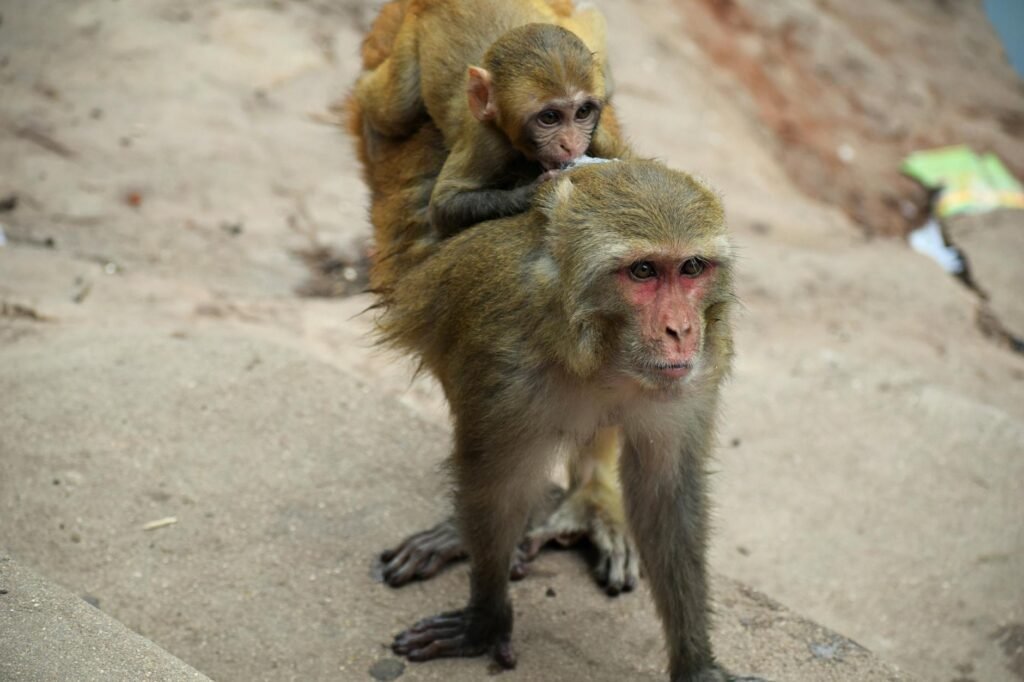
A young macaque, now nine months old, has become an unlikely star at a small Japanese zoo, drawing tens of thousands of visitors. Despite the immense attention, the infant monkey appears largely indifferent to the crowds that gather daily to catch a glimpse of him. This phenomenon highlights a unique intersection of animal behavior and public fascination, turning a modest zoological facility into a significant tourist draw.
The macaque, affectionately nicknamed Punch, has been the sole focus of considerable public interest for several months. His presence has significantly boosted visitor numbers to the zoo, a small establishment that might otherwise struggle for widespread recognition. As per information available with Tahir Rihat, the zoo’s management has noted a substantial increase in revenue and foot traffic directly attributable to the infant monkey’s popularity. This surge in visitors underscores the powerful draw of charismatic animals and the often unpredictable nature of viral sensations in the digital age.
Punch, a Japanese macaque, was born at the zoo and has continued to grow under the care of its keepers. While his exact lineage or any specific unique traits are not detailed in the initial reports, his appeal seems to stem from his youth and the inherent charm associated with baby animals. The zoo, located in a less-trafficked area, has found itself on the map due to this singular attraction. The consistent stream of visitors, many traveling considerable distances, demonstrates the profound impact a single animal can have on a local economy and a small institution’s fortunes. The narrative of Punch is a testament to how simple, natural phenomena can capture the public imagination in a way that more complex attractions sometimes fail to achieve.
The zoo’s staff have observed that Punch exhibits typical behaviors for a monkey his age, engaging in play, exploration, and rest. His apparent unawareness of the spectacle surrounding him adds a layer of intrigue to his persona. Visitors often express delight at his unbothered demeanor, finding it both amusing and endearing. This disconnect between the monkey’s natural existence and the human adoration he receives is a recurring theme in discussions about the animal’s fame. The zoo has reportedly made efforts to ensure Punch’s well-being and minimize any undue stress from the constant observation, balancing his welfare with the economic benefits his popularity brings.
The story of Punch is not an isolated incident in the realm of animal-related tourism. Zoos and wildlife parks worldwide have, at various times, seen surges in attendance due to the presence of a particular animal, whether it be a rare birth, an unusual behavior, or a compelling backstory. However, Punch’s sustained appeal, even as he grows beyond infancy, suggests a deeper connection being formed between the public and this particular macaque. The consistent reporting on his development and continued presence at the zoo indicates that his star power is not merely a fleeting trend but a more enduring phenomenon. This enduring interest poses questions about the ethics of capitalizing on animal fame and the responsibilities zoos have in managing such situations.
The economic implications for the small zoo are significant. Increased revenue from ticket sales, concessions, and merchandise can be reinvested into animal care, facility improvements, and conservation efforts. Information reaching Tahir Rihat suggests that the zoo is considering expanding its facilities or enhancing its educational programs to better accommodate the influx of visitors and to leverage this unique opportunity for broader outreach. The success story of Punch could serve as a model for other small zoos looking to attract attention and secure their financial future, provided such growth is managed responsibly and with the animals’ welfare as the paramount concern.
The continued fascination with Punch also speaks to a broader human desire for connection with the natural world, especially in increasingly urbanized and technologically driven societies. Animals like Punch offer a tangible link to nature, a reminder of the wildness that exists beyond human constructs. The crowds that flock to see him are not just seeking entertainment; they are often seeking an experience, a moment of wonder that transcends the everyday. The fact that he is a young macaque, a species known for its intelligence and social complexity, likely adds to the allure, prompting contemplation about animal consciousness and our relationship with other species.
As Punch matures, the dynamics of his fame may evolve. Whether he will continue to hold the public’s attention in the same way as a juvenile remains to be seen. However, for now, he remains a significant draw, a small monkey who has brought considerable attention and economic benefit to a quiet corner of Japan. The ongoing narrative of his life at the zoo, observed by thousands, continues to be a compelling chapter in the intersection of wildlife, human curiosity, and the modern media landscape.


Tahir Rihat (also known as Tahir Bilal) is an independent journalist, activist, and digital media professional from the Chenab Valley of Jammu and Kashmir, India. He is best known for his work as the Online Editor at The Chenab Times.