


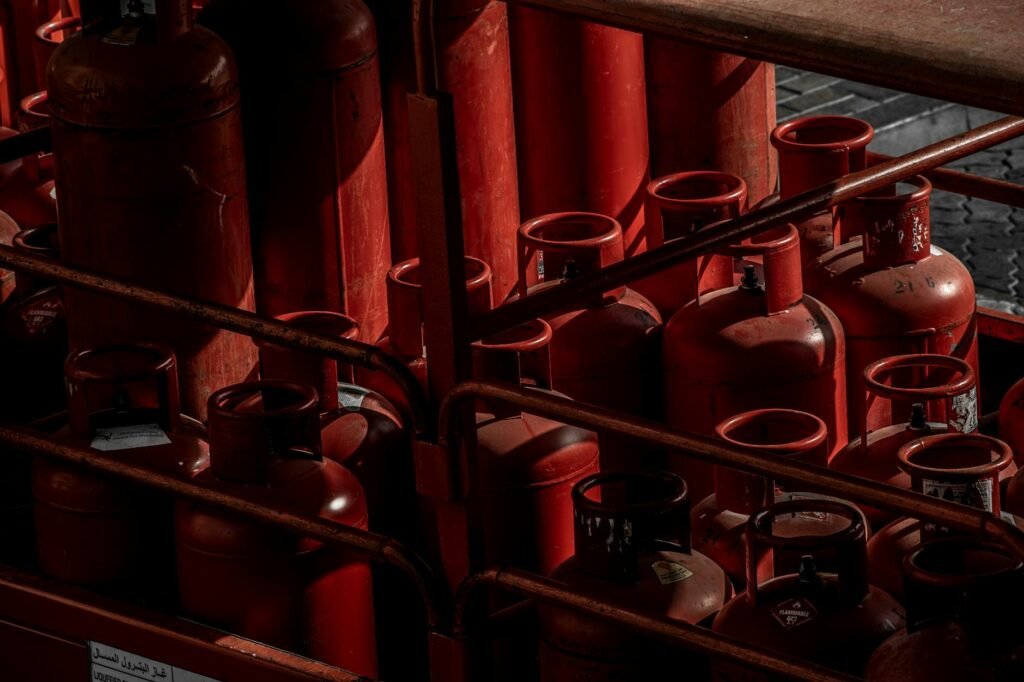
Srinagar – Numerous LPG consumers in the Kashmir valley are encountering significant obstacles in procuring refills of their cylinders, primarily due to the mandated electronic Know Your Customer (eKYC) verification process. Distributors are currently managing a substantial influx of customers attempting to comply with the new regulations, triggering delays and frustrations. The mandatory eKYC requirement, recently implemented by the government, is intended to streamline the distribution process, but many consumers are finding the self-eKYC process cumbersome.
From issues surrounding smartphone penetration to worries about the safeguarding of personal information, customers have voiced numerous concerns regarding the implementation of the eKYC procedures. Yawar Ahmad, a consumer residing in Srinagar, stated, “I have an LPG connection and have to do the mandatory eKYC, which means I have to download two apps on my phone and then undertake the process. These apps need several phone permissions, which raises privacy concerns.” The concerns voiced by Ahmad echo amongst a segment of the population wary of granting extensive permissions to mobile applications, particularly those handling sensitive personal data. Information reaching TahirRihat.com suggests that, these concerns are further exacerbated by a lack of clarity regarding data protection measures associated with the eKYC process.
Shazia, a homemaker from the region, highlighted the challenges faced by women who lack access to smartphones. She elaborated on how the eKYC process, which involves application downloads and smartphone usage, is proving to be exclusionary. “I have a Ujjwala connection and I cannot afford a smartphone, so how will I do the self-eKYC?” she asked, underscoring the socio-economic disparities impacting access to essential services. This issue particularly affects beneficiaries of the Ujjwala scheme, designed to provide clean cooking fuel to households living below the poverty line. The mandatory eKYC, while intended to enhance efficiency, inadvertently creates a barrier for those lacking the necessary technological resources.
Some consumers have also attributed these difficulties to underlying supply chain issues that are purportedly impacting the availability of LPG. According to these claims, the eKYC issues are further compounding the problems arising from existing challenges. Furthermore, there are complaints regarding the OTP verification process, which is supposed to be an integral part of the gas delivery confirmation. Mehraj Ahmad, a consumer, stated that he received messages indicating successful delivery of gas cylinders, despite the fact that he had not shared the OTP with the distributor and never received his delivery. “I received an OTP, which I didn’t share with the distributor, but then I still got the message about gas being delivered. However, the gas was not delivered,” he stated.
A distributor clarified that these messages are automatically generated by an application. The situation highlights a dissonance between the digital tracking system and the actual delivery process, raising questions about the reliability of the system and the potential for miscommunication. (Agencies reported that the booking is effective only after eKYC.) The distributor acknowledged the glitches in the system but emphasized that the booking is only confirmed after the successful completion of the eKYC. The conflicting accounts from consumers and distributors paint a picture of a system struggling to adapt to the new technological demands, while simultaneously addressing the needs of a diverse consumer base.
The mandatory eKYC implementation underscores the necessity for inclusive digital solutions that consider the diverse socio-economic landscape. As the situation unfolds, there is growing advocacy for alternative methods of verification that cater to those who do not have smartphones or are apprehensive about the privacy implications of the eKYC process. The government’s response to these concerns will determine the accessibility and efficiency of LPG services in the region. Streamlining the eKYC process, addressing privacy concerns, and providing alternative verification methods remains crucial in ensuring that all consumers, regardless of their technological proficiency, can access essential LPG services without undue burden.


Tahir Rihat (also known as Tahir Bilal) is an independent journalist, activist, and digital media professional from the Chenab Valley of Jammu and Kashmir, India. He is best known for his work as the Online Editor at The Chenab Times.