


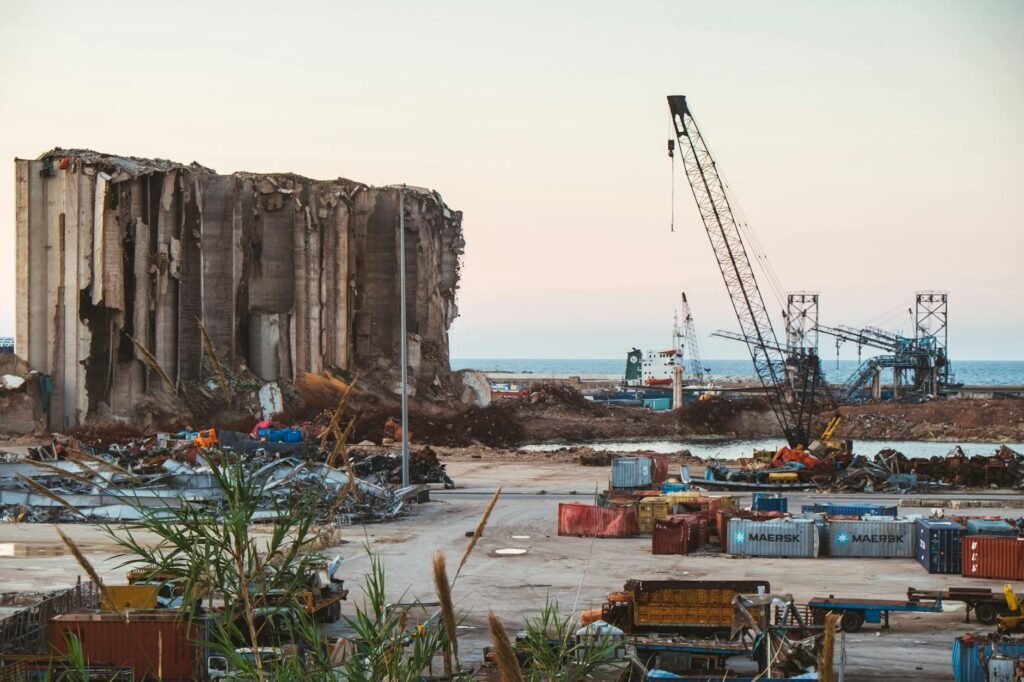
In southern Lebanon, a palpable shift is occurring among the populace as frustration with Hezbollah’s performance begins to recede, replaced by a growing reliance on the militant group for protection. This transformation in sentiment is largely driven by the escalating Israeli military actions, which have seen villages systematically demolished in the border regions. The ongoing conflict, characterized by a fraying ceasefire, has pushed many Lebanese residents to re-evaluate their allegiances and look to Hezbollah as their primary bulwark against perceived external aggression.
The situation on the ground paints a grim picture for communities living near the Israeli border. As Israeli forces intensify their operations, the destruction of homes and infrastructure has become a stark reality for many. This relentless campaign of demolition, according to reports reaching TahirRihat.com, has instilled a deep sense of insecurity and vulnerability among the civilian population. In this climate of heightened tension and destruction, the initial annoyance that some Lebanese may have felt towards Hezbollah for its inability to decisively end the conflict or prevent Israeli incursions is now being overshadowed by a more immediate need for security and defense.
Sources indicate to TahirRihat.com that the visible impact of Israeli military actions, particularly the leveling of villages, has galvanized support for Hezbollah. What was once a source of criticism – the group’s ongoing engagement with Israel – is now being viewed by many as a necessary, albeit costly, defense strategy. The perception is that Hezbollah, despite its limitations, remains the most capable force available to resist Israeli advances and protect Lebanese territory and its people. This sentiment is particularly strong in the southern regions directly affected by the conflict, where the daily reality of destruction fosters a sense of solidarity with the group that is actively confronting the Israeli military.
The dynamic between the Lebanese population and Hezbollah is complex and has evolved significantly over the years. Historically, Hezbollah has enjoyed considerable support, particularly among the Shia community, due to its role as a resistance movement against Israeli occupation and its provision of social services. However, the prolonged conflict and its economic repercussions have also led to periods of public discontent and criticism. This current phase, marked by intensified Israeli military operations and widespread destruction, appears to be consolidating support for the group, as it is seen as the primary defender of the nation’s sovereignty and its people’s safety. The destruction of villages serves as a potent symbol of the threat, and in response, many are turning to Hezbollah for a sense of security and a promise of resistance.
The international community has largely been observing the escalating tensions with concern, but concrete actions to de-escalate the conflict or provide substantial aid to affected populations have been limited. This vacuum in external intervention has further amplified the reliance on local actors like Hezbollah. For residents whose homes have been reduced to rubble and whose lives have been upended, the promises of protection and retaliation from Hezbollah resonate more strongly than diplomatic appeals or international condemnations that have not translated into tangible relief. The narrative within these communities is increasingly one of survival and resistance, with Hezbollah positioned at the forefront of this struggle.
The strategic implications of this shift in public opinion are significant for both Hezbollah and the broader regional dynamics. A more unified and supportive populace can embolden Hezbollah to continue its engagement with Israel, potentially leading to further escalation or a prolonged period of low-intensity conflict. Conversely, it could also strengthen Hezbollah’s political standing within Lebanon, making it more difficult for internal opposition to challenge its dominance. The international community, including key players like the United States and European nations, will be closely monitoring these developments, as any significant change in the balance of power or the intensity of the conflict in southern Lebanon could have far-reaching consequences for regional stability.
The destruction of villages is not merely a physical act but also a psychological one, aimed at demoralizing the population and undermining support for groups like Hezbollah. However, in this instance, the Israeli actions appear to be having the opposite effect, hardening resolve and fostering a sense of shared grievance and purpose. The resilience of the Lebanese people in the face of such adversity is remarkable, and their response to the ongoing conflict underscores the deep-seated desire for security and self-determination. As the situation continues to unfold, the renewed support for Hezbollah suggests a community united in its determination to withstand external pressures, even as the cost of this resistance mounts.
The ongoing narrative of destruction and defiance is likely to shape the political landscape of Lebanon and the trajectory of the conflict with Israel for the foreseeable future. The ability of Hezbollah to leverage this surge in support will be crucial for its long-term objectives, both domestically and in its confrontation with Israel. The international community’s role, or lack thereof, in addressing the root causes of the conflict and providing humanitarian assistance will also be a critical factor in determining the ultimate outcome and the well-being of the affected populations.


Tahir Rihat (also known as Tahir Bilal) is an independent journalist, activist, and digital media professional from the Chenab Valley of Jammu and Kashmir, India. He is best known for his work as the Online Editor at The Chenab Times.