


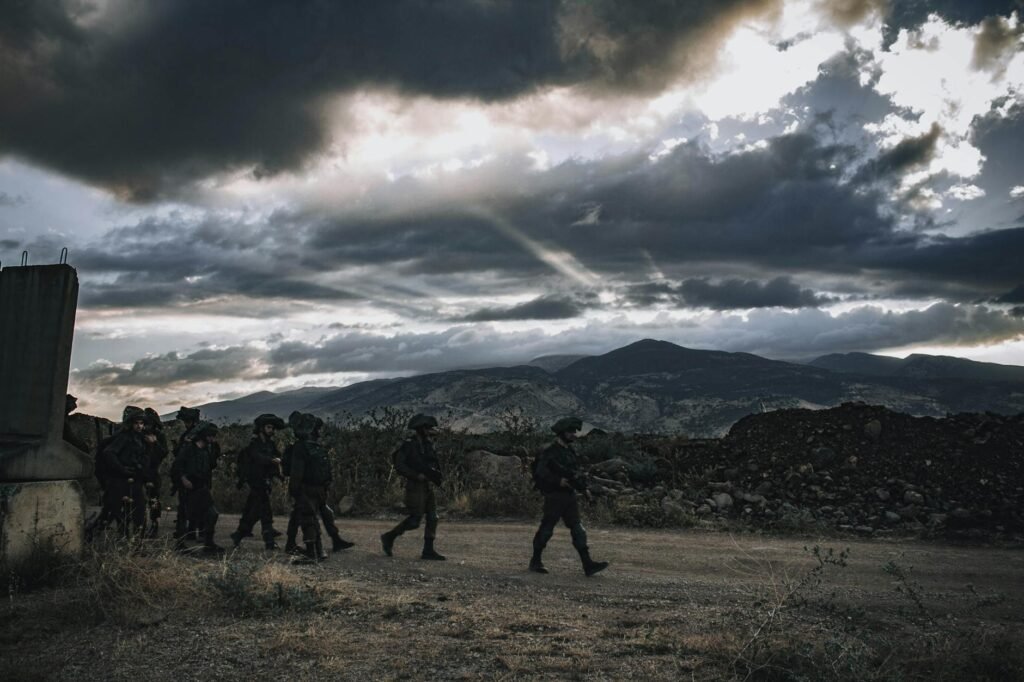
The fragile cease-fire along the Lebanon-Israel border is showing significant signs of erosion as both Hezbollah and Israeli forces have intensified their engagements, raising concerns about a broader escalation. Reports indicate that Hezbollah continues to launch attacks against Israeli troops, while Israel has responded with its own strikes into Lebanese territory. This renewed surge in hostilities comes despite efforts to maintain a U.S.-brokered truce, with both sides leveling accusations against each other for violating the agreed-upon terms.
Information reaching Tahir Rihat suggests that the ongoing exchanges have created a volatile atmosphere, making the prospect of sustained peace increasingly remote. The continued fighting underscores the deep-seated animosity and the complex geopolitical landscape that characterizes the region. The United States, which played a pivotal role in brokering the initial truce, is reportedly monitoring the situation closely, though details of any new diplomatic initiatives remain scarce.
Hezbollah’s continued attacks are seen by analysts as a strategic move to maintain pressure on Israel and demonstrate the group’s ongoing capabilities. These actions, often involving rocket barrages and cross-border raids, are met with swift and often forceful Israeli military responses. The Israeli strikes, in turn, are aimed at disrupting Hezbollah’s operational capacity and deterring further aggression. The cycle of attack and counter-attack has become a grim hallmark of the border, with civilian populations on both sides living under the constant threat of violence.
The accusations of truce violations are a central point of contention. Hezbollah maintains that its actions are defensive and a direct response to Israeli provocations. Conversely, Israel asserts that Hezbollah’s continued military activities, including the alleged presence of weapons and fighters near the border, constitute a clear breach of any cessation of hostilities. The ambiguity and conflicting narratives surrounding these violations make de-escalation efforts particularly challenging. International observers are struggling to verify the claims made by each party, further complicating mediation efforts.
The economic and humanitarian implications of this renewed fighting are also substantial. Communities along the border, already strained by years of intermittent conflict, face further disruption to their livelihoods and daily lives. The potential for a wider conflict looms large, which could have devastating consequences for Lebanon and regional stability. The international community has repeatedly called for restraint, emphasizing the need to uphold international humanitarian law and protect civilian populations.
The U.S.-brokered truce, while offering a period of relative calm, appears to have been insufficient in addressing the underlying causes of the conflict. The persistent grievances and the strategic objectives of both Hezbollah and Israel continue to fuel the cycle of violence. Experts suggest that a more comprehensive political solution, addressing the root causes of the tensions, is necessary to achieve lasting peace. However, the current trajectory of escalating military actions suggests that such a resolution remains a distant prospect.
The intensity of the recent exchanges has led to heightened security concerns among neighboring countries and international powers. The fear is that any significant miscalculation or unintended escalation could rapidly draw in other regional actors, transforming the border skirmishes into a much larger and more destructive conflict. The United Nations peacekeeping force, UNIFIL, operating in southern Lebanon, has been working to maintain stability and prevent further incidents, but its mandate and resources are often stretched thin in such volatile environments.
The ongoing military posturing and the rhetoric from both sides indicate a hardening of positions, making diplomatic breakthroughs more difficult. The international community’s role in de-escalating the situation is crucial, but it requires a concerted effort and a willingness from both Israel and Hezbollah to engage in meaningful dialogue. The current situation on the ground, however, points towards a continued period of heightened tension and potential for further violence, eroding the very foundations of the cease-fire that was meant to bring respite.


Tahir Rihat (also known as Tahir Bilal) is an independent journalist, activist, and digital media professional from the Chenab Valley of Jammu and Kashmir, India. He is best known for his work as the Online Editor at The Chenab Times.