


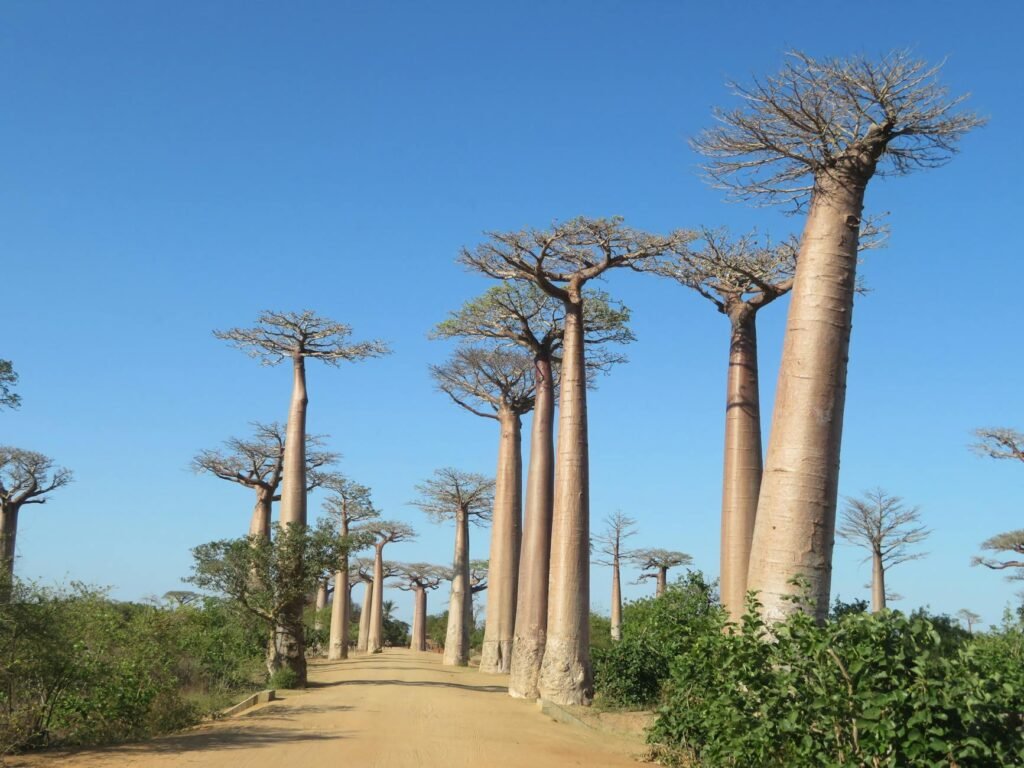
In the heart of Madagascar’s western region, a venerable baobab tree, estimated to be centuries old, is exhibiting signs of a slow and inevitable decline. This ancient sentinel, a landmark in its forest ecosystem, is succumbing to an unknown ailment, a development that has sent ripples of concern through the scientific and conservation communities. The tree’s fading vitality is not merely the story of a single organism’s end; it serves as a poignant indicator of the broader ecological stresses afflicting the island’s unique and fragile natural heritage.
The baobab, a species synonymous with the African and Malagasy landscapes, is renowned for its longevity and its critical role in supporting local biodiversity. These majestic trees often stand as living monuments, their massive trunks and sprawling canopies providing shelter and sustenance for a myriad of species, from insects and birds to larger mammals. The current state of this particular baobab, however, paints a somber picture, suggesting that the environmental conditions necessary for its survival are deteriorating. As per information available with Tahir Rihat, the tree’s weakening condition is a cause for significant worry among those who study and strive to protect Madagascar’s natural treasures.
The gradual demise of such an old and significant tree raises profound questions about the health of its surrounding environment. Baobabs, particularly the ancient ones, are often considered keystone species, meaning their presence and health have a disproportionately large effect on the ecosystem. Their decline can trigger a cascade of negative impacts, affecting the populations of species that depend on them for food, shelter, and breeding grounds. The specific factors contributing to this baobab’s weakening are not yet fully elucidated, but they are likely tied to broader environmental challenges such as changing climate patterns, habitat degradation, and potentially disease or pest outbreaks that are exacerbated by these shifts.
Madagascar is a global biodiversity hotspot, home to an extraordinary number of endemic species found nowhere else on Earth. The island’s unique flora and fauna have evolved in relative isolation, making them particularly vulnerable to environmental changes. The baobab, with its deep roots and resilient nature, has historically weathered many environmental challenges. However, the pace and scale of modern environmental pressures may be exceeding the adaptive capacities of even these ancient organisms. The plight of this sacred tree underscores the urgent need for comprehensive conservation strategies that address the complex interplay of factors threatening Madagascar’s natural heritage.
Conservationists are closely monitoring the situation, hoping to understand the precise causes of the baobab’s decline and to implement measures that might, at the very least, slow its progression or mitigate the broader ecological consequences. The loss of such a tree is not just an environmental tragedy; it can also represent a cultural and spiritual loss for local communities who often hold these ancient trees in deep reverence. The baobab’s sacred status in many Malagasy traditions highlights the deep connection between the island’s people and its natural world, a connection that is increasingly strained by environmental pressures.
The ongoing observation of this dying baobab serves as a stark reminder of the interconnectedness of all living things within an ecosystem. The health of a single, albeit monumental, tree can be a barometer for the overall well-being of its environment. As the world grapples with climate change and its far-reaching effects, the story of this ancient baobab in Madagascar offers a tangible, poignant example of the silent crises unfolding in natural landscapes across the globe. The lessons learned from its decline could be crucial in shaping future conservation efforts, not only in Madagascar but in other regions facing similar ecological threats.
The scientific community is keen to gather more data on the tree’s physiological condition and the environmental context in which it exists. Understanding the specific pathogens or stressors involved could provide valuable insights into the vulnerabilities of other ancient trees and the ecosystems they support. This research is vital for developing targeted interventions, though the sheer age and scale of the tree present significant challenges to any direct treatment. The focus, therefore, often shifts to protecting the surrounding habitat and ensuring the resilience of the broader ecosystem to withstand future pressures.
The implications of this baobab’s decline extend beyond its immediate ecological niche. It represents a potential loss of genetic material and a reduction in the ecological services it provides, such as carbon sequestration and soil stabilization. For the local communities, the tree may hold cultural significance, serving as a focal point for rituals or as a source of traditional knowledge. Its fading presence could disrupt these cultural practices and diminish the intangible heritage associated with it. The narrative of this ancient tree’s struggle is, therefore, interwoven with the social and cultural fabric of the region.
The situation also highlights the ongoing debate within conservation circles about the most effective approaches to protecting ancient and iconic species. While direct intervention is sometimes possible, often the most sustainable solutions involve addressing the root causes of environmental degradation, such as deforestation, unsustainable land use, and the impacts of climate change. The slow death of this baobab compels a re-evaluation of these broader strategies and a renewed commitment to preserving the natural world for future generations. The story of this baobab is a call to action, a silent plea from an ancient giant facing its twilight.


Tahir Rihat (also known as Tahir Bilal) is an independent journalist, activist, and digital media professional from the Chenab Valley of Jammu and Kashmir, India. He is best known for his work as the Online Editor at The Chenab Times.