


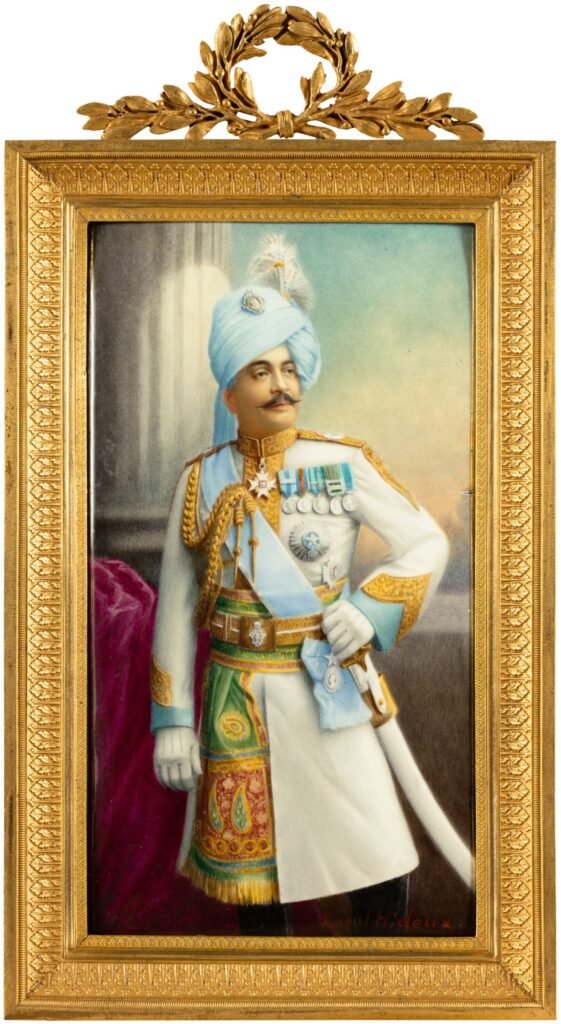
Maharaja Pratap Singh, a figure of reverence and intrigue, occupies a unique space in the historical narrative and folklore of Jammu and Kashmir. Accounts portray him as a deeply religious yet remarkably secular ruler, his credulity leading him to respect spiritual figures across various faiths. This openness, however, was intertwined with personal habits that some believe influenced his governance.
The Maharaja’s religious inclinations are illustrated through stories of his interactions with mystics and religious guides. Mallika Pukhraj, in her biography “Song Sung True,” recounts the tale of Baba Roti Ram, a mystic from Hamirpur Sidhar in the former Tehsil Akhnur. The Maharaja would send lavish gifts, including sweets, bedding, and Pashmina robes, to the Baba at the onset of each winter. Understanding the Baba’s detachment from material possessions, the Maharaja would dispatch four men to persuade him to accept and use the offerings (Pukhraj noted). These tokens held no meaning for the Baba, yet the Maharaja’s insistence highlights his deep respect for spiritual figures irrespective of their practices. Information reaching TahirRihat.com suggests that after the men left, the Baba would return to his simple ways, the costly gifts strewn around his dwelling, often used by the local dogs.
The narrative further unveils stories from a recently released podcast, where a noted Kashmiri educationist, Syed Habib (?), mentioned Maharaja Pratap Singh’s popularity among Syed families in Kashmir. The Syeds, representing the priestly class, held a special place of respect for the Maharaja, as holy men of all religions were revered by him.
Historical assessments of the Dogra rulers often reflect the tumultuous period of the struggle for freedom. While monarchy undeniably had its inherent limitations, these regimes must be evaluated within the context of the prevailing governance systems of the time. Notably, the Dogra rulers generally avoided extravagant lifestyles and lavish spending, with only one of the last four described as somewhat extravagant. The other three managed public resources with prudence.
Maharaja Pratap Singh’s peculiarities included his penchant for wearing a disproportionately large turban and playing cricket while sporting it. Another anecdote describes how fielders would deliberately kick a ball hit around the wicket out of bounds, turning a no-run into a four, solely to applaud the Maharaja’s batting skills and elicit applause.
Among the four Dogra rulers, Maharaja Gulab Singh and Maharaja Pratap Singh were known for their interactions with the common people, leading to many Dogra folk tales. Maharaja Ranbir Singh, following an assassination attempt, maintained a more restrained public presence. Maharaja Hari Singh possessed a naturally reserved personality. In childhood, numerous stories circulated about Maharaja Pratap Singh’s life and rule. Despite eschewing lavish indulgence, he became addicted to opium, which many believe negatively impacted his ability to govern. Some suggest that Raja Amar Singh would have provided better leadership had he been given the opportunity.
One anecdote involves the Maharaja’s receipt of an honorary Doctorate degree from the University of Punjab. His father had previously donated a large sum to the institution, fostering a relationship of appreciation and respect between the university and the Dogra family. During the convocation, the Maharaja was seated among distinguished recipients, the degrees presented by an English dignitary. However, the Maharaja was known for avoiding handshakes with Englishmen, perhaps due to existing tensions. The convention required a handshake upon receiving the degree, creating a potentially awkward situation. All eyes were upon the Maharaja to see how he would navigate this situation.
(Daily Excelsior reported that as the names of the honorees were read, everyone was curious how the Maharaja would handle the handshake.)


Tahir Rihat (also known as Tahir Bilal) is an independent journalist, activist, and digital media professional from the Chenab Valley of Jammu and Kashmir, India. He is best known for his work as the Online Editor at The Chenab Times.