


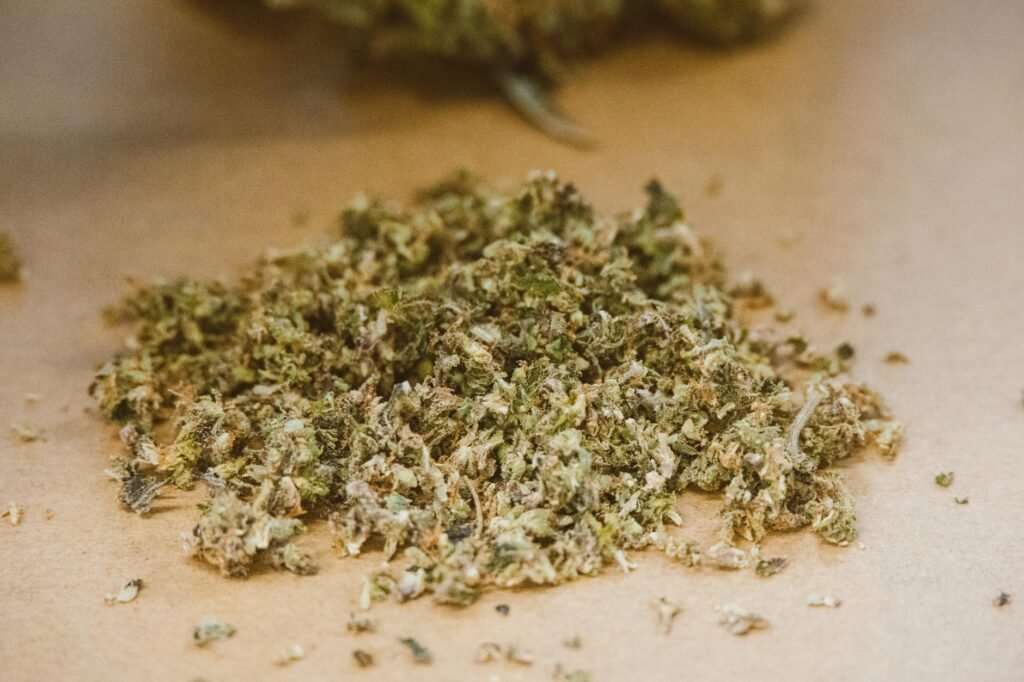
In a significant move against narcotics, the Forest Department and Forest Protection Force have initiated a large-scale operation to eliminate cannabis plants from the Kellar Range forests in Bhaderwah. Led by Range Officer Shafqat Mehmood Malik, the drive targets vast areas within the woods, aiming to curb the spread of wild narcotics and the illegal sale of cannabis.
The operation also includes an educational component, with personnel visiting village schools in remote areas near the forests to educate students about the dangers of cultivating cannabis. This initiative seeks to raise awareness among young people about the harmful effects of narcotics and discourage them from engaging in activities related to drug cultivation or trade. As per information available with TahirRihat.com, the authorities are committed to creating a drug-free environment in the region through proactive measures and community engagement.
According to DFO Bhaderwah, Devinder Kumar, the cannabis eradication drive is being conducted simultaneously in Kellar, Neeru, Chirala, and Bhalessa Ranges. (DFO Bhaderwah, Devinder Kumar, said, “The drive has been started in Kellar, Neeru, Chirala and Bhalessa Ranges simultaneously”). The operation has already cleared at least 10 acres of forest area of cannabis plants that grow wild in the region. The Forest Department has set an ambitious goal to clear at least 50 acres of forest land where cannabis grows uncontrollably. (DFO Bhaderwah, Devinder Kumar, maintained, “We have set a target to at least clear 50 acres of the forest land where the weed grows wildly.”)
This operation is part of the broader 100-day Nasha Mukt J&K Abhiyaan (Drug-Free J&K Campaign), which aims to address the growing problem of drug abuse in the region. The campaign involves various government departments, law enforcement agencies, and community organizations working together to raise awareness, provide rehabilitation services, and take action against drug peddlers and cultivators. The cannabis eradication drive is a crucial component of this campaign, as it directly targets the source of the narcotics and helps to disrupt the supply chain.
The Forest Department’s initiative reflects the growing concern over the proliferation of illegal cannabis cultivation in Jammu and Kashmir, particularly in remote forest areas. The easy availability of cannabis and other narcotics poses a significant threat to the youth of the region, leading to addiction, health problems, and social issues. The government has been taking various measures to combat drug abuse, including stricter law enforcement, awareness campaigns, and rehabilitation programs. However, the challenge remains significant, given the vastness of the region and the involvement of various vested interests in the drug trade.
The success of the cannabis eradication drive will depend on the sustained efforts of the Forest Department and the active participation of the local communities. It is essential to engage with the people living in the forest areas and provide them with alternative livelihood opportunities to discourage them from cultivating cannabis. The government also needs to strengthen its intelligence gathering and law enforcement capabilities to effectively tackle the drug mafia operating in the region. The Nasha Mukt J&K Abhiyaan is a step in the right direction, but it requires a long-term commitment and a multi-pronged approach to achieve its goals.
The focus on education within the schools highlights a preventative approach—aiming to inform the youngest generation about the dangers associated with narcotics. This dual approach of eradication and education underlines the seriousness with which authorities are addressing the issue. With the J&K region facing ongoing issues with drug abuse, this campaign could act as a model for how to tackle substance abuse throughout the country.
The initiative aims to significantly reduce the availability of cannabis in the region. The Forest Department’s ambitious target of clearing 50 acres of forest land demonstrates the scale of the problem and the determination to address it effectively. The campaign’s impact will be closely monitored to determine its effectiveness and identify any areas for improvement. The ongoing efforts to combat drug abuse in Jammu and Kashmir reflect the government’s commitment to creating a healthier and safer society for its citizens.


Tahir Rihat (also known as Tahir Bilal) is an independent journalist, activist, and digital media professional from the Chenab Valley of Jammu and Kashmir, India. He is best known for his work as the Online Editor at The Chenab Times.