


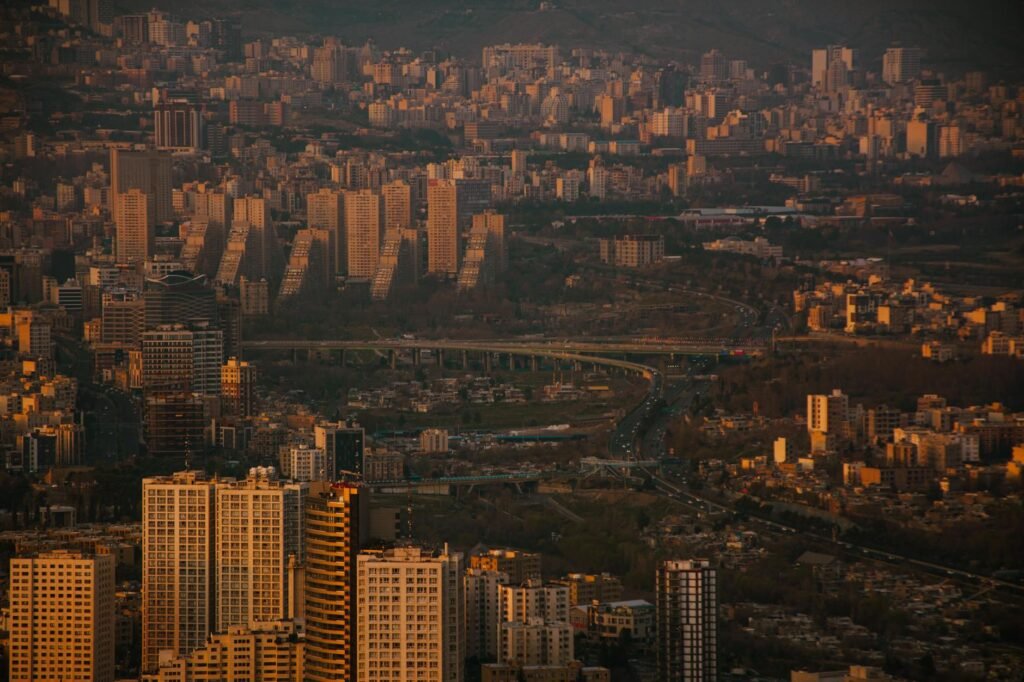
A moderate earthquake jolted Iran‘s capital, Tehran, and surrounding areas around midnight local time on Tuesday, according to reports from Iranian media. The tremor has added another layer of unease to a region already grappling with significant geopolitical strains.
The seismic event, while not immediately reported to have caused widespread damage or casualties, has heightened anxieties in a city that has been on edge due to broader regional conflicts. Information reaching Tahir Rihat suggests that the earthquake’s epicenter was relatively close to the densely populated capital, prompting residents to evacuate their homes and seek safety in open spaces. The precise magnitude and depth of the earthquake are still being assessed by seismological agencies.
Iranian state media, as reported by various outlets, confirmed the occurrence of the quake, describing it as moderate. Details regarding the extent of its impact are still emerging, with emergency services reportedly being mobilized to assess any potential damage to infrastructure and to respond to any calls for assistance. The timing of the tremor, occurring in the dead of night, likely contributed to the initial alarm experienced by many residents.
The earthquake’s occurrence in Tehran is particularly sensitive given the current geopolitical climate. Iran has been a focal point of international attention due to its complex relationship with global powers and its involvement in regional proxy conflicts. The added stress of a natural disaster, even a moderate one, can have a significant psychological impact on a population already living under considerable pressure. The government’s response and the public’s reaction will be closely watched, both domestically and internationally.
Seismic activity is not uncommon in Iran, which is situated in a geologically active zone. The country lies on several major fault lines, making it susceptible to earthquakes. However, the capital, Tehran, is a megacity with a vast population, and any significant seismic event carries the potential for substantial disruption and loss of life. The infrastructure in older parts of the city, in particular, can be vulnerable to the shaking of the ground.
The immediate aftermath of the earthquake will involve thorough assessments by geological and disaster management authorities. Their reports will provide crucial information on the earthquake’s characteristics and its immediate effects. The focus will then shift to ensuring the safety and well-being of the populace, addressing any immediate needs arising from the tremor, and beginning the process of recovery if any damage has indeed occurred. The government’s capacity to respond effectively to such events is often a measure of its overall stability and preparedness.
The international community will also be observing the situation closely. Any signs of significant damage or a humanitarian crisis could draw international attention and potentially lead to calls for aid. However, given the current geopolitical landscape, the response from the international community may be influenced by existing political relationships and tensions. The way Iran handles this natural event will undoubtedly be viewed through the lens of its broader regional and international standing.
The psychological impact of earthquakes cannot be understated, especially in a context where other sources of stress are already present. Residents of Tehran, already navigating a complex environment, may find their resilience tested by this unexpected natural event. The collective experience of a tremor can foster a sense of solidarity but also amplify existing anxieties about safety and security. The coming hours and days will be critical in understanding the full scope of the earthquake’s impact and how the city and its people cope with this latest challenge.


Tahir Rihat (also known as Tahir Bilal) is an independent journalist, activist, and digital media professional from the Chenab Valley of Jammu and Kashmir, India. He is best known for his work as the Online Editor at The Chenab Times.