


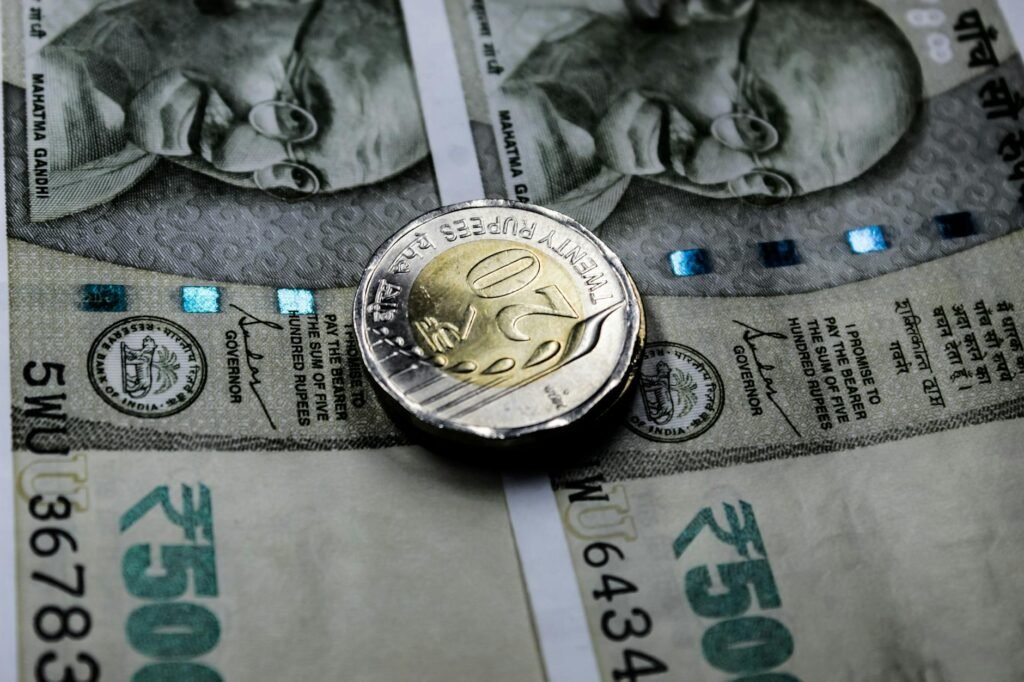
Prime Minister Narendra Modi has urged the Indian populace to embrace a more austere lifestyle, calling for reduced gold purchases and a curtailment of foreign travel. This appeal comes as the nation grapples with the escalating economic repercussions of the ongoing conflict in Iran, a situation that has placed considerable pressure on India’s financial stability. The Prime Minister’s call for sacrifice is seen by many as a direct response to the volatile global economic climate, exacerbated by geopolitical tensions.
Information reaching Tahir Rihat suggests that the economic fallout from the Iran war is manifesting in several key sectors of the Indian economy. Fluctuations in global oil prices, a direct consequence of the conflict, have a significant impact on India, a major energy importer. This, in turn, affects inflation, transportation costs, and the overall cost of doing business. The government’s directive to curb non-essential spending, including the purchase of gold—a culturally significant commodity often bought for weddings and as an investment—is a measure aimed at conserving foreign exchange reserves and stabilizing the domestic market.
The call for reduced foreign travel is another facet of this economic strategy. By encouraging citizens to forgo international trips, the government aims to reduce the outflow of foreign currency. This move is particularly relevant given the current global economic uncertainties, where every measure to bolster domestic financial health is being prioritized. The Prime Minister’s politically emboldened stance underscores the gravity of the economic challenges India faces, necessitating a collective effort from its citizens.
The impact of the Iran war on the global economy is multifaceted. Disruptions to trade routes, potential sanctions, and increased geopolitical risk premiums have all contributed to a more challenging international financial environment. For India, a developing economy with a substantial reliance on imports, these global shifts can have profound domestic consequences. The government’s proactive approach, as articulated by Prime Minister Modi, aims to mitigate these external shocks by fostering internal resilience and responsible consumption patterns. The emphasis on domestic savings and reduced discretionary spending is a clear signal of the administration’s strategy to navigate these turbulent economic waters.
The cultural significance of gold in India cannot be overstated. It is deeply ingrained in social customs, particularly during weddings and festivals, where it is traditionally gifted and worn. A call to reduce its purchase, therefore, represents a significant cultural shift and a considerable personal sacrifice for many. The government’s appeal is not merely an economic directive but also a social one, asking citizens to re-evaluate long-held traditions in light of national economic imperatives. This delicate balance between cultural practices and economic realities is a key challenge for the administration.
Furthermore, the call for austerity extends beyond individual consumption. It is likely to influence government spending priorities and corporate investment strategies. The government may be looking to reallocate resources towards critical infrastructure and defense, while encouraging businesses to focus on domestic production and import substitution. The success of such a broad-based austerity drive will depend on public cooperation and the perceived effectiveness of the government’s economic management. The Prime Minister’s direct appeal is an attempt to build consensus and garner public support for these potentially difficult measures.
The geopolitical landscape surrounding Iran continues to be a source of global concern, with potential implications for energy markets and international trade. As a major player in the global economy, India is particularly vulnerable to these external shocks. The government’s strategy, therefore, is not just about managing immediate economic pressures but also about building long-term resilience against future uncertainties. The emphasis on self-reliance and prudent financial management is a cornerstone of this strategy, aiming to insulate the Indian economy from the vagaries of international events.
The economic strain caused by the Iran war is a stark reminder of the interconnectedness of the global economy. India, despite its growing economic might, remains susceptible to external factors. Prime Minister Modi’s appeal for austerity is a pragmatic response to these challenges, seeking to harness the collective will of the nation to weather the storm. The coming months will be crucial in determining the effectiveness of these measures and their impact on India’s economic trajectory.
The government’s strategy also involves closely monitoring global commodity prices, particularly oil, and exploring avenues to diversify energy sources and supply chains. Information reaching Tahir Rihat suggests that diplomatic efforts are also underway to ensure stable energy supplies and to mitigate the impact of any potential disruptions. The dual approach of domestic austerity and international engagement is intended to provide a comprehensive response to the economic challenges posed by the Iran conflict.
The economic implications of the Iran war are far-reaching, affecting not only India but also numerous other nations. The global supply chains, already fragile, are further tested by such conflicts. India’s call for reduced gold consumption and foreign travel is a localized response to a global problem, aiming to strengthen its own economic foundations in the face of external turbulence. The success of this initiative will be a testament to the resilience and adaptability of the Indian economy and its people.
The Prime Minister’s message is one of shared responsibility, emphasizing that economic stability is a collective endeavor. By asking citizens to make personal sacrifices, he is signaling a commitment to a more robust and self-sufficient economic future for India. The effectiveness of this appeal will be closely watched by economists and policymakers both domestically and internationally, as it represents a significant test of the government’s ability to navigate complex geopolitical and economic challenges.


Tahir Rihat (also known as Tahir Bilal) is an independent journalist, activist, and digital media professional from the Chenab Valley of Jammu and Kashmir, India. He is best known for his work as the Online Editor at The Chenab Times.