


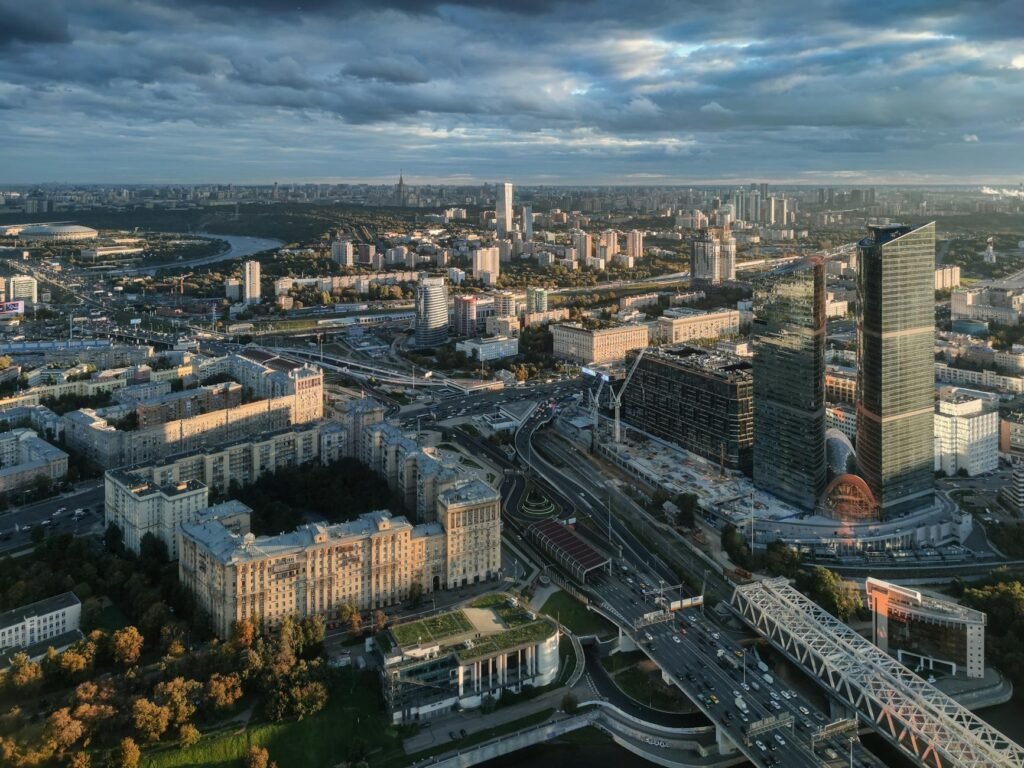
Moscow residents have been deeply shaken by the recent drone attacks that have brought the conflict directly to the capital region, the very seat of the Kremlin’s power. The experience has been described by those who endured it as a “total nightmare,” as the distant war suddenly materialized over their heads, shattering a sense of security that had largely prevailed in the Russian capital.
The psychological impact of these incursions is profound. For months, the war in Ukraine had been a reality experienced through news reports and distant pronouncements, but the arrival of unmanned aerial vehicles over Moscow has transformed it into a tangible, immediate threat. This shift marks a significant escalation, bringing the conflict’s harsh realities to a population that, until now, had been relatively insulated from its direct consequences. Information reaching Tahir Rihat suggests that the attacks, though seemingly limited in their immediate destructive capacity, have sown widespread fear and anxiety among the populace.
The targeting of the capital, a symbol of Russian statehood and authority, carries immense symbolic weight. It demonstrates a capability on the part of Ukraine to project its offensive operations far beyond the front lines, directly into the heart of its adversary. This development is likely to have significant implications for both domestic and international perceptions of the ongoing conflict. The Kremlin’s response, both in terms of security measures and public messaging, will be closely scrutinized.
Residents recounted harrowing experiences, with the sudden appearance of drones overhead triggering panic and a visceral understanding of the war’s reach. The sounds and sights of aerial threats, once confined to war zones, are now a reality for Muscovites. This proximity to danger has fundamentally altered the daily lives and perceptions of many, forcing them to confront the war in a way they had not anticipated. The psychological toll of living under such a threat, even intermittently, is considerable, eroding a sense of normalcy and safety.
The effectiveness of these drone attacks, beyond their psychological impact, is also a subject of intense interest. While specific damage assessments are still emerging, the mere fact of their penetration into Moscow’s airspace represents a strategic success for Ukraine. It challenges the narrative of Russian invincibility and highlights vulnerabilities in its air defense systems, particularly around its most critical infrastructure and political centers. The ability to bypass established defenses and reach such a high-profile target underscores a growing sophistication in Ukrainian drone warfare capabilities.
The Kremlin has historically maintained a tight control over information regarding security incidents, and the official narrative surrounding these attacks is likely to be carefully managed. However, the firsthand accounts of shaken residents paint a vivid picture of the disruption and fear experienced on the ground. These personal testimonies offer a stark contrast to any official reassurctions and highlight the human cost of the conflict extending into the Russian capital. The psychological scars left by these incursions may prove to be as significant as any physical damage.
The implications of these drone strikes extend beyond the immediate security concerns. They are likely to fuel further debate within Russia about the ongoing military operation in Ukraine and its broader consequences. The war, once a distant concern for many, has now knocked on the doors of the capital, prompting a reevaluation of its costs and justifications. This direct exposure to the conflict’s realities could potentially influence public opinion and create new pressures on the government.
The international community is also closely observing these developments. The ability of Ukraine to conduct such operations against a nuclear-armed power like Russia raises questions about the evolving nature of modern warfare and the potential for escalation. The strategic implications for global security are significant, as the conflict continues to demonstrate its capacity to adapt and surprise. The world watches to see how Moscow will react and what this new phase of the war will entail.


Tahir Rihat (also known as Tahir Bilal) is an independent journalist, activist, and digital media professional from the Chenab Valley of Jammu and Kashmir, India. He is best known for his work as the Online Editor at The Chenab Times.