


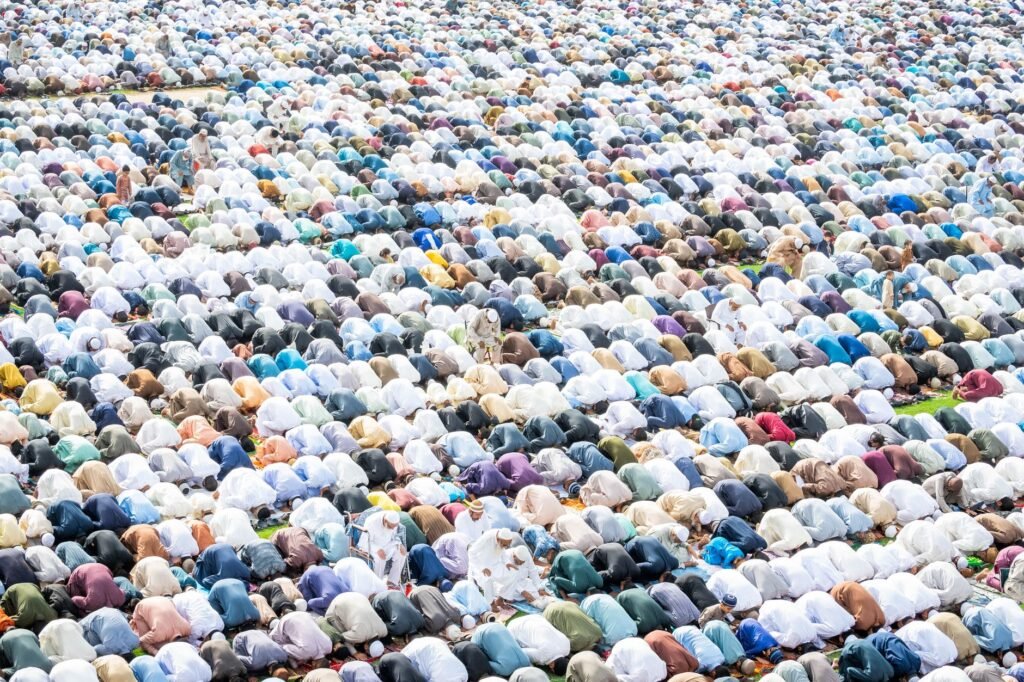
Across the Middle East and beyond, Muslims marked the solemn occasion of Eid al-Adha with subdued celebrations, a stark contrast to the usual festivities. The prevailing atmosphere was one of deep concern and muted joy, overshadowed by ongoing wars and pervasive economic crises that have gripped numerous nations in the region. From the bustling streets of Iran to the besieged territories of Gaza and the tense borders of Lebanon, the spirit of Eid was tempered by the harsh realities of conflict and scarcity.
The traditional spirit of Eid al-Adha, a festival typically characterized by communal gatherings, feasting, and expressions of gratitude, was significantly diminished this year. Information reaching Tahir Rihat suggests that the pervasive sense of unease and the tangible effects of shortages in essential goods like food and fuel have cast a long shadow over the holiday. Families found themselves grappling with the immediate challenges of survival, making elaborate celebrations a secondary concern, if not an impossibility.
In Gaza, the ongoing conflict has rendered any semblance of traditional Eid observance virtually impossible. The devastation wrought by the war has left a deep scar on the land and its people, with many still mourning the loss of loved ones and struggling to find basic necessities. The sounds of celebration were largely absent, replaced by the echoes of hardship and the quiet resilience of a population enduring immense suffering. Reports from the region indicate that the focus for many was on securing food and shelter, with the spiritual significance of Eid taking precedence over outward displays of festivity.
Similarly, in Lebanon, the economic crisis has exacerbated the challenges faced by the population. Eid al-Adha arrived at a time when many are struggling with inflation, unemployment, and a general decline in living standards. The usual communal prayers and gatherings were marked by a somber reflection on the difficult economic climate, with families making do with limited resources. The festive spirit that typically accompanies the holiday was noticeably subdued, as the pressing concerns of daily life took center stage.
Iran, too, experienced a muted Eid al-Adha. While the country is not directly embroiled in the same level of active conflict as some of its neighbors, the broader regional instability and economic pressures have had a discernible impact. The celebrations were characterized by a sense of introspection, with many reflecting on the broader geopolitical landscape and its implications for their own lives. The usual vibrancy of Eid gatherings was somewhat subdued, reflecting a collective awareness of the challenges facing the Muslim world.
The prevailing sentiment across these diverse regions was one of shared hardship and a profound yearning for peace. The religious significance of Eid al-Adha, which commemorates the willingness of Ibrahim (Abraham) to sacrifice his son as an act of obedience to God, resonated deeply. However, the contemporary context of war and crisis lent a particularly poignant dimension to these reflections, as many found themselves facing their own trials and tribulations. The act of sacrifice and the enduring power of faith were central themes for those observing the holiday under such difficult circumstances.
The impact of these widespread crises on the Muslim world is multifaceted. Beyond the immediate humanitarian concerns, there are also significant implications for cultural and religious practices. The ability to observe religious holidays with the customary joy and communal spirit is intrinsically linked to the prevailing conditions of peace and stability. When these are absent, the very fabric of these traditions can be strained.
International organizations and aid agencies have continued their efforts to provide assistance to those most affected by the conflicts and economic downturns. However, the scale of the need in many areas remains immense, and the challenges of delivering aid in conflict zones are substantial. The muted Eid celebrations serve as a stark reminder of the ongoing humanitarian crises that require sustained attention and support from the global community.
As Muslims around the world move beyond the observance of Eid al-Adha, the underlying issues of war, displacement, and economic hardship persist. The hope for a more peaceful and prosperous future remains a central aspiration, particularly for those who have experienced the profound impact of these challenges during a time traditionally dedicated to joy and reflection. The resilience of the human spirit, however, was evident in the continued observance of faith and the enduring bonds of community, even in the face of adversity.


Tahir Rihat (also known as Tahir Bilal) is an independent journalist, activist, and digital media professional from the Chenab Valley of Jammu and Kashmir, India. He is best known for his work as the Online Editor at The Chenab Times.