


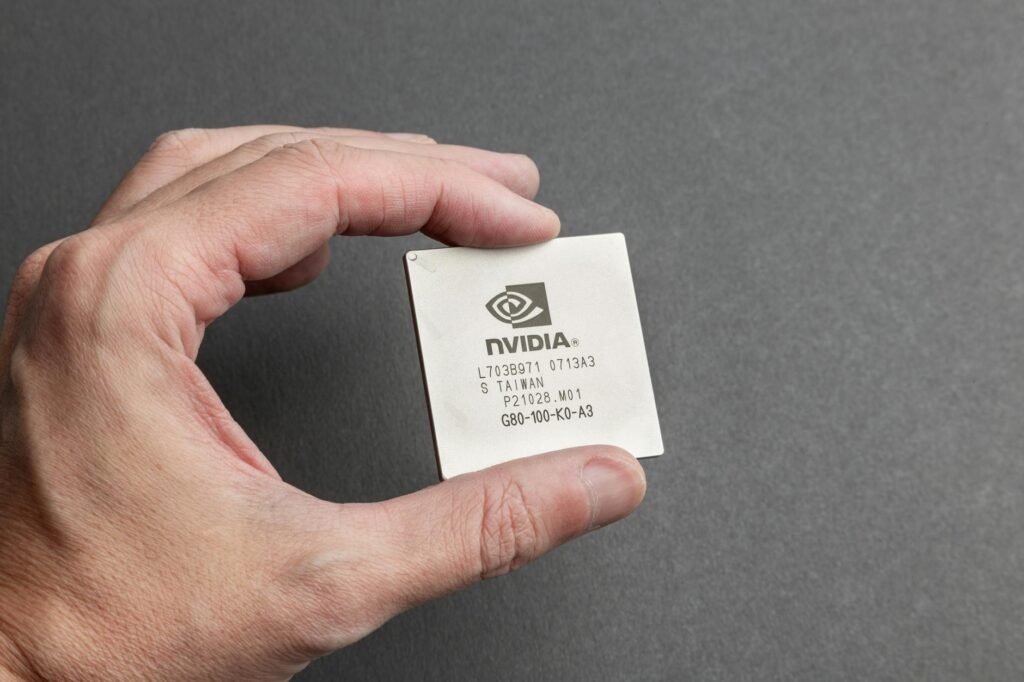
The future trajectory of Nvidia, a dominant force in artificial intelligence chips, within the vast Chinese market remains a subject of considerable uncertainty, particularly in the wake of high-level diplomatic engagements between the United States and China. These geopolitical currents are increasingly shaping the landscape for global technology firms, forcing them to navigate a complex web of trade restrictions, national security concerns, and evolving market dynamics. The ongoing technological competition between the two global powers has placed companies like Nvidia in a precarious position, where their access to one of the world’s largest consumer and industrial bases is directly influenced by the broader bilateral relationship.
Information reaching Tahir Rihat suggests that the recent summit between President Trump and President Xi, while aimed at de-escalating broader trade tensions, has not provided a clear resolution for the specific challenges faced by semiconductor manufacturers. The United States has, in recent years, implemented export controls and sanctions targeting China’s access to advanced technologies, particularly those with potential military applications. These measures are designed to curb China’s technological advancement and prevent the proliferation of sophisticated weaponry. Nvidia, with its cutting-edge AI chips that power everything from data centers to advanced computing, finds itself at the epicenter of these policy shifts.
The implications for Nvidia are significant. China represents a substantial portion of Nvidia’s revenue, and any prolonged or intensified restrictions could have a material impact on its financial performance. The company has historically invested heavily in the Chinese market, building strong relationships with local customers and partners. However, the current geopolitical climate necessitates a reassessment of these strategies. The drive by Chinese firms to reduce their reliance on Western technologies, as reported, is a direct consequence of these escalating tensions. Companies like Huawei, a prominent Chinese technology conglomerate, are increasingly focusing on developing their own domestic chipmaking capabilities, aiming to achieve greater self-sufficiency in a critical sector.
This push for domestic innovation within China is not merely a response to current restrictions but also a long-term strategic objective. China has identified semiconductors as a key area for national development, recognizing their foundational role in a wide array of industries, from telecommunications and automotive to artificial intelligence and defense. The success of these domestic efforts could, in the long run, diminish the market share of foreign chip suppliers, including Nvidia. The company’s ability to adapt to this changing environment, by potentially focusing on less restricted product lines or exploring alternative market strategies, will be crucial for its sustained growth in the region.
The uncertainty surrounding Nvidia’s future in China is further compounded by the unpredictable nature of international relations. Trade policies can shift rapidly based on political developments and national security assessments. For a company operating at the forefront of technological innovation, maintaining agility and a keen understanding of the geopolitical landscape is paramount. The ongoing standoff highlights the intricate interplay between global commerce and international politics, demonstrating how geopolitical considerations can profoundly influence the business operations of even the most dominant technology firms. The long-term outlook for Nvidia in China will likely depend on the broader trajectory of US-China relations and China’s success in fostering its indigenous semiconductor industry.


Tahir Rihat (also known as Tahir Bilal) is an independent journalist, activist, and digital media professional from the Chenab Valley of Jammu and Kashmir, India. He is best known for his work as the Online Editor at The Chenab Times.