


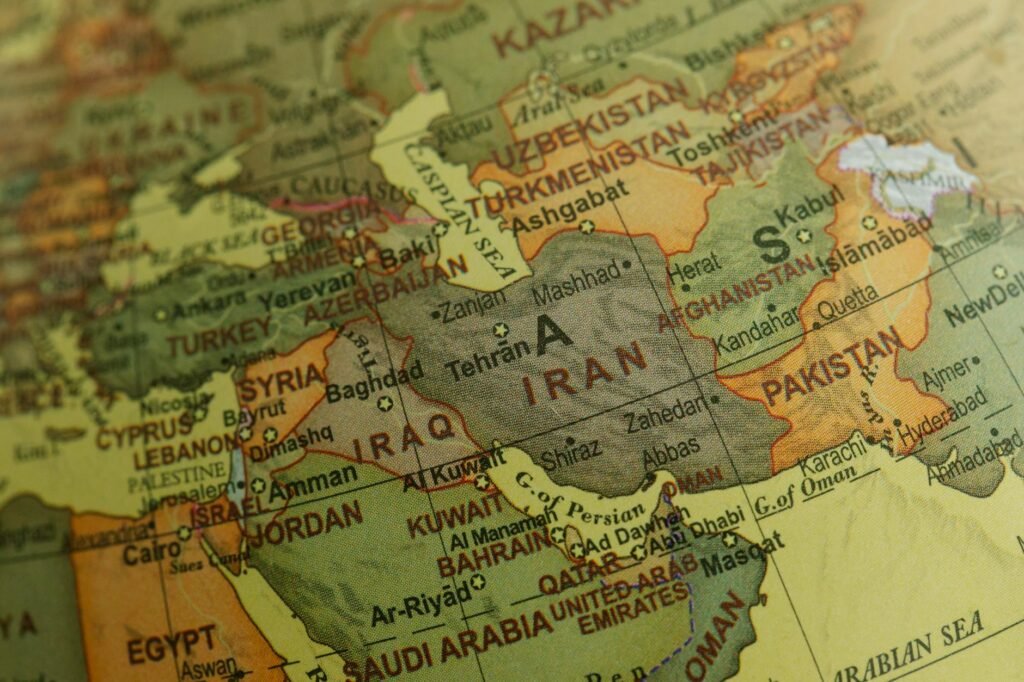
Months after Pakistan declared a state of open conflict along its western border with Afghanistan, the situation remains volatile, with neither side showing signs of de-escalation. Despite concerted diplomatic efforts, particularly from China, aimed at brokering a resolution, the deep-seated animosities and strategic disagreements continue to fuel the ongoing hostilities. The protracted conflict has significant implications for regional stability, humanitarian concerns, and the broader geopolitical landscape.
The current phase of intensified conflict, which began following Pakistan’s declaration of an “open war” on Afghanistan, has seen a marked increase in cross-border skirmishes and heightened military posturing. Information reaching Tahir Rihat suggests that the Pakistani government views the situation as a direct threat to its national security, citing alleged sanctuaries for militant groups operating within Afghan territory. Conversely, the Taliban administration in Kabul has vehemently denied these accusations, framing Pakistan’s actions as an infringement of its sovereignty and an attempt to destabilize the region.
China’s involvement in mediating the dispute underscores the international community’s growing concern over the escalating tensions. Beijing, which shares borders with both nations and has significant economic interests in the region, has been actively engaged in back-channel diplomacy. However, these efforts have thus far failed to yield a breakthrough. Sources indicate that the core of the disagreement lies in differing interpretations of border security and the presence of insurgent groups. Pakistan insists on robust border management and the dismantling of militant networks, while Afghanistan maintains that it is capable of managing its internal security and resents external interference.
The conflict has had a devastating impact on the civilian populations residing in the border regions. Displacement, loss of life, and disruption of livelihoods have become a grim reality for many. Humanitarian organizations have expressed grave concerns about the growing needs of those affected by the violence, calling for unimpeded access to provide aid. The continued fighting also poses a significant challenge to Afghanistan’s already fragile economy and its efforts to rebuild after decades of conflict. For Pakistan, the instability on its western frontier diverts resources and attention from other pressing domestic and international priorities.
The strategic dimensions of the conflict are also complex. Pakistan has long been concerned about the Tehrik-i-Taliban Pakistan (TTP) and other militant groups operating from Afghan soil, which it blames for a surge in terrorist attacks within its borders. The Pakistani government has repeatedly called on the Afghan Taliban to take decisive action against these groups. However, the Afghan Taliban, while publicly stating their commitment to preventing the use of Afghan territory by any group against other countries, have been perceived by Pakistan as not doing enough. This divergence in approach and perceived inaction has been a major catalyst for the current confrontation.
The international community, while largely focused on other global crises, is watching the Pakistan-Afghanistan situation with apprehension. The potential for further regional destabilization, the risk of a humanitarian catastrophe, and the implications for counter-terrorism efforts are all significant concerns. The failure of diplomatic initiatives to resolve the immediate crisis raises questions about the long-term prospects for peace and security in the region. The ongoing hostilities also present a challenge to the Taliban’s efforts to gain international legitimacy and recognition, as their inability to manage border relations effectively could further isolate their government.
The historical context of the relationship between Pakistan and Afghanistan is fraught with mistrust and complex geopolitical maneuvering. Pakistan has historically played a significant role in Afghan affairs, and its relationship with various Afghan factions has been a source of contention. The current situation is, in many ways, an extension of these long-standing dynamics, exacerbated by the Taliban’s return to power in Afghanistan in 2021. The international community’s role in navigating this intricate relationship and encouraging a peaceful resolution remains crucial, though the immediate outlook appears bleak as both sides remain entrenched in their positions.


Tahir Rihat (also known as Tahir Bilal) is an independent journalist, activist, and digital media professional from the Chenab Valley of Jammu and Kashmir, India. He is best known for his work as the Online Editor at The Chenab Times.