


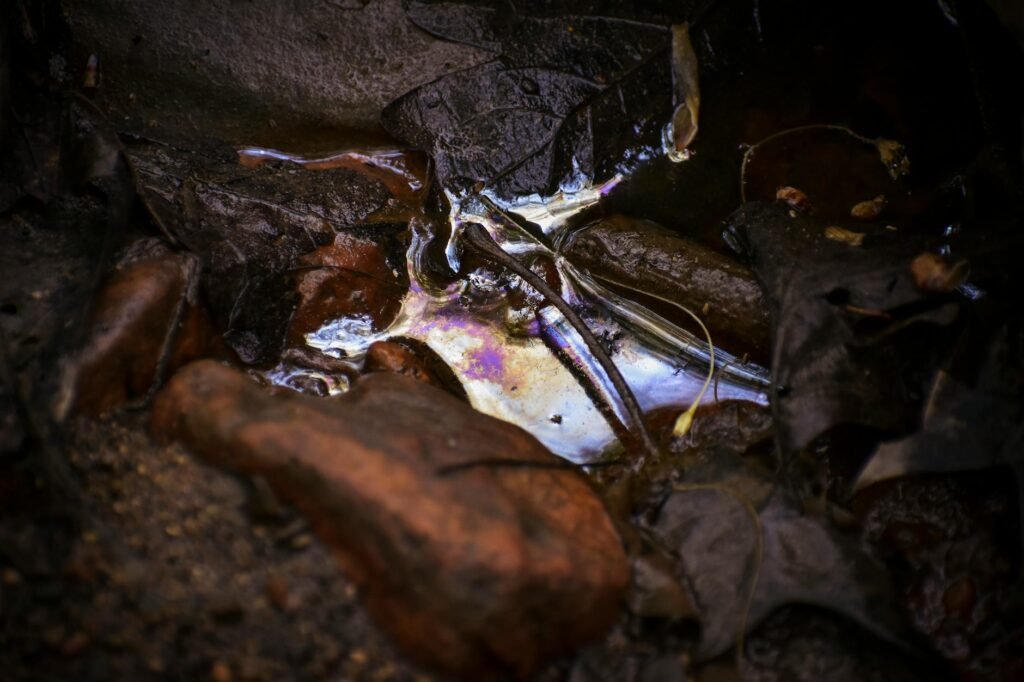
An ecological crisis is unfolding in the Persian Gulf as a significant oil slick has reached the shores of Shidvar Island, a protected wildlife sanctuary in Iran. Videos circulating from the affected region depict a grim scene, with numerous birds, turtles, and crabs ensnared in thick mounds of tar that now coat the island’s once pristine beaches.
Shidvar Island, renowned for its vibrant turquoise waters and powdery white sand, is a critical habitat for a diverse range of marine and avian life. Its designation as a protected wildlife sanctuary underscores its ecological importance. The arrival of the oil slick poses an immediate and severe threat to these vulnerable ecosystems, potentially leading to widespread mortality and long-term environmental damage. Information reaching Tahir Rihat suggests that the slick’s origin is still under investigation, adding a layer of uncertainty to the unfolding disaster.
The visual evidence from the island paints a stark picture of the environmental devastation. Images and footage show seabirds struggling to move, their feathers matted with thick, black oil, rendering them unable to fly or forage. Marine life, including sea turtles and crabs, are also shown trapped in the viscous tar, facing suffocation and poisoning. The extent of the contamination is still being assessed, but initial reports indicate a substantial portion of the island’s coastline has been impacted.
Environmental experts are expressing grave concerns about the potential long-term consequences of this oil spill. The delicate balance of the island’s ecosystem is now severely disrupted. The tar balls not only cause immediate physical harm to wildlife but also contaminate the seabed and water column, affecting food sources and breeding grounds. The persistence of oil in marine environments can lead to chronic health issues for surviving animals and can take years, if not decades, to fully dissipate.
The protected status of Shidvar Island makes this incident particularly distressing. Sanctuaries like this are established to safeguard biodiversity and provide safe havens for endangered species. The intrusion of an oil slick directly into such a protected zone highlights the vulnerabilities of even the most carefully managed natural areas to industrial accidents and pollution. The incident raises critical questions about maritime safety regulations and the effectiveness of spill prevention and response mechanisms in the region.
The response to the unfolding crisis is expected to involve extensive cleanup operations, though the challenges are considerable. Removing thick tar from natural coastlines is a labor-intensive and often environmentally disruptive process itself. Efforts will likely focus on rescuing and rehabilitating affected wildlife, containing the spread of the oil, and mitigating further damage to the sensitive habitats. The involvement of environmental agencies, local authorities, and potentially international organizations will be crucial in addressing the multifaceted nature of this ecological disaster.
As the situation develops, the focus will remain on understanding the source of the oil slick, the scale of the environmental damage, and the efficacy of the containment and cleanup efforts. The incident serves as a stark reminder of the ongoing risks posed by oil transportation and extraction activities in ecologically sensitive marine environments. The fate of Shidvar Island’s unique wildlife now hangs precariously in the balance, awaiting the outcome of these critical environmental interventions.


Tahir Rihat (also known as Tahir Bilal) is an independent journalist, activist, and digital media professional from the Chenab Valley of Jammu and Kashmir, India. He is best known for his work as the Online Editor at The Chenab Times.