


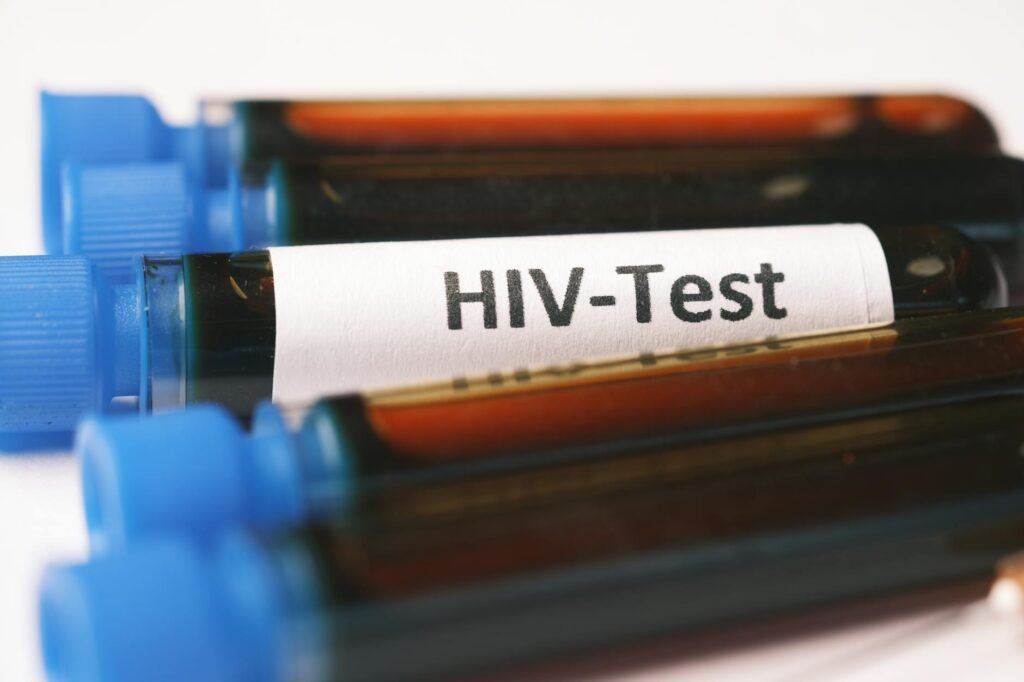
A novel immunotherapy approach, which has demonstrated success in treating certain blood cancers, is showing early promise as a potential long-term suppressor of HIV, according to a study involving a small group of patients. The therapy, which involves a single infusion, could offer a significant advancement in managing the human immunodeficiency virus, potentially offering years of suppression with just one intervention.
Information reaching Tahir Rihat suggests that the findings, slated for presentation this week, are generating considerable interest within the medical community. While the study is in its nascent stages and involves a limited number of participants, the preliminary results are encouraging, hinting at a future where HIV management might shift from daily medication to a single, potent treatment.
The immunotherapy in question leverages the body’s own immune system to combat the virus. This approach is akin to strategies that have been employed to achieve remission in patients with conditions like leukemia and lymphoma, where the immune system is re-engineered to identify and destroy cancerous cells. In the context of HIV, the therapy aims to equip the immune system to control or eliminate the virus that has integrated itself into the host’s DNA.
Current standard treatments for HIV involve antiretroviral therapy (ART), a regimen of daily pills that effectively suppress the virus, preventing it from replicating and allowing individuals to live long, healthy lives. However, ART requires lifelong adherence, and missing doses can lead to the development of drug resistance and a resurgence of the virus. The prospect of a single infusion that could provide years of suppression, as suggested by this new study, represents a paradigm shift in HIV treatment, potentially alleviating the burden of daily medication and improving the quality of life for millions.
The mechanism by which this single infusion might achieve long-term suppression is complex and is still under intensive investigation. Researchers are exploring how the therapy might induce a sustained immune response capable of keeping the virus in check. This could involve retraining immune cells to recognize and attack HIV-infected cells, or it could involve a more fundamental alteration of the immune system’s interaction with the virus. The success in blood cancer therapies provides a strong foundation for exploring similar principles in the fight against HIV, a virus that has historically proven challenging to eradicate completely.
The study’s presentation this week is expected to provide more details on the specific immunotherapy used, the patient cohort, the duration of follow-up, and the observed levels of viral suppression. Experts are keenly awaiting these details to assess the robustness of the findings and the potential for further development and larger clinical trials. The transition from promising early results to a widely available treatment is a lengthy and rigorous process, involving multiple phases of clinical testing to ensure safety and efficacy.
The implications of a successful single-infusion therapy for HIV would be profound. It could simplify treatment regimens, reduce the stigma associated with daily medication, and potentially lead to better long-term health outcomes by ensuring consistent viral control. Furthermore, it could offer hope to individuals who struggle with adherence to daily ART regimens due to various personal, social, or economic factors. The development of such a treatment would be a monumental achievement in global health, building upon decades of research and progress in understanding and combating the HIV epidemic.
While the study is still in its early phases and requires extensive further research, the initial findings offer a beacon of hope. The scientific community will be closely watching as this research progresses, with the ultimate goal of developing a curative or long-acting suppressive therapy that can transform the lives of those affected by HIV worldwide. The success of this immunotherapy in blood cancers provides a compelling precedent for its potential application in other complex viral diseases.


Tahir Rihat (also known as Tahir Bilal) is an independent journalist, activist, and digital media professional from the Chenab Valley of Jammu and Kashmir, India. He is best known for his work as the Online Editor at The Chenab Times.