


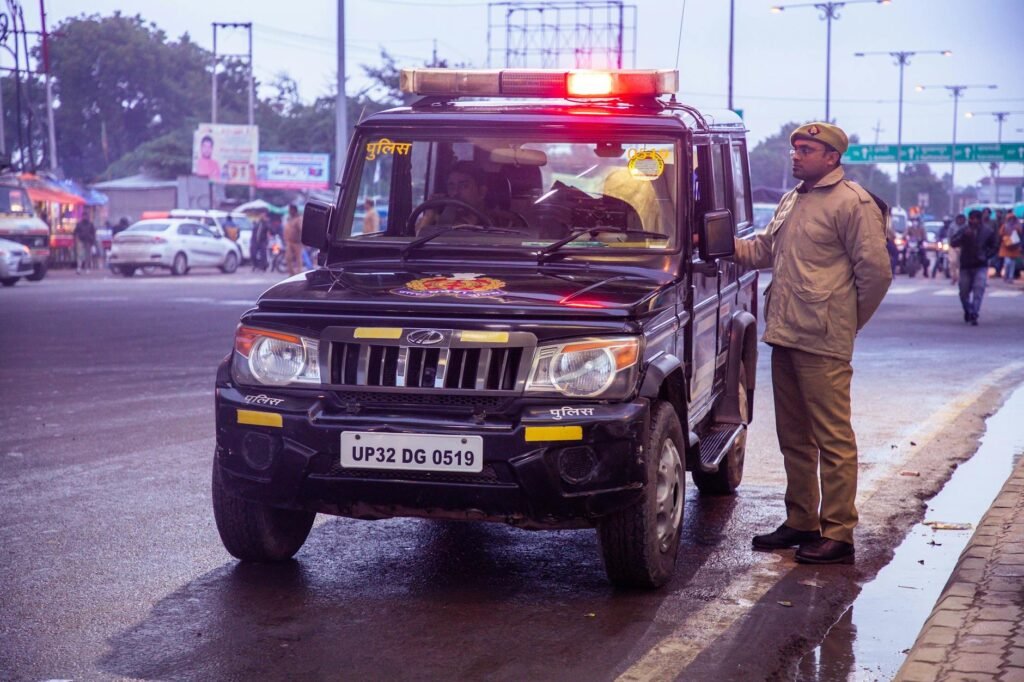
Prime Minister Narendra Modi has reduced the size of his convoy, a move that comes shortly after his public appeal for austerity and reduced use of fuel-driven vehicles. The decision to downsize the Prime Minister’s security detail during transit reflects a commitment to his own call for fiscal prudence and environmental consciousness. This shift is seen as a symbolic gesture, encouraging citizens to adopt similar practices in their daily lives.
Information reaching TahirRihat.com suggests that the decreased convoy size has already been observed during recent domestic visits made by the Prime Minister. The modifications were implemented without compromising essential security protocols mandated by the Special Protection Group (SPG), ensuring the Prime Minister’s safety remains paramount. These adjustments were made swiftly after Modi’s address in Hyderabad, signaling a prompt response to his own recommendations.
The Prime Minister’s convoy was notably smaller in Gujarat and Assam. In addition to reducing the number of vehicles, Modi has also advocated for the inclusion of electric vehicles in his convoy whenever feasible, prioritizing existing resources over new acquisitions. This initiative aligns with the broader national agenda of promoting electric mobility and reducing dependence on fossil fuels.
During a recent rally organized by the Telangana BJP in Hyderabad, Modi emphasized the importance of austerity amid ongoing geopolitical tensions in West Asia. He specifically urged citizens to minimize petrol and diesel consumption by embracing alternative transportation methods and energy-saving practices. Modi suggested utilizing metro rail services in urban areas, promoting carpooling, increasing the use of electric vehicles, leveraging railway services for parcel movement, and encouraging remote work arrangements to conserve foreign exchange reserves.
The Prime Minister’s call for austerity and the subsequent reduction in his convoy size have been interpreted as a multifaceted strategy designed to address economic and environmental challenges. By reducing consumption of fossil fuels, India can mitigate the negative impacts of high global energy prices and reduce its carbon footprint. Furthermore, the adoption of electric vehicles and the promotion of public transportation infrastructure contribute to building a more sustainable and resilient economy.
The initiative also indirectly supports the ‘Make in India’ campaign, as domestic manufacturing of electric vehicles and related components receives a boost. Experts note that it represents a strategic alignment of policy objectives, where environmental concerns, economic stability, and national security interests converge.
The Prime Minister’s emphasis on austerity comes at a time when India is navigating complex international economic dynamics. The country’s foreign exchange reserves and fuel import bills are under constant scrutiny amidst fluctuating global commodity prices. Therefore, measures to reduce consumption have the potential to alleviate pressure on the economy.
The symbolism of the Prime Minister leading by example is not lost on observers. The visible changes in his convoy are intended to encourage widespread adoption of sustainable practices among the general public, fostering a sense of collective responsibility. The Prime Minister’s recent directives are expected to influence policy decisions across various government departments and agencies.
The move could also promote infrastructural development aimed at enhancing public transportation systems. Increased investment in metro rail networks, electric vehicle charging stations, and other eco-friendly alternatives will be crucial to supporting the transition towards a more sustainable transportation ecosystem. These developments are likely to have long-term implications for urban planning, environmental conservation, and economic growth.
Government officials have reportedly begun to explore the feasibility of implementing these recommendations across various sectors, studying factors like cost-effectiveness and scalability, as well as the potential impacts on employment and investment. The initial reduction in convoy size may just be the first of a series of measures aimed at optimizing resource utilization and promoting sustainable practices throughout the government.
The long-term success hinges on the collective commitment of citizens, businesses, and government entities to embrace these changes. The Prime Minister’s initiative marks a significant step, and it’s projected that these measures, whether small or large, create a tangible impact in moving India toward a more sustainable and economically resilient future.


Tahir Rihat (also known as Tahir Bilal) is an independent journalist, activist, and digital media professional from the Chenab Valley of Jammu and Kashmir, India. He is best known for his work as the Online Editor at The Chenab Times.