


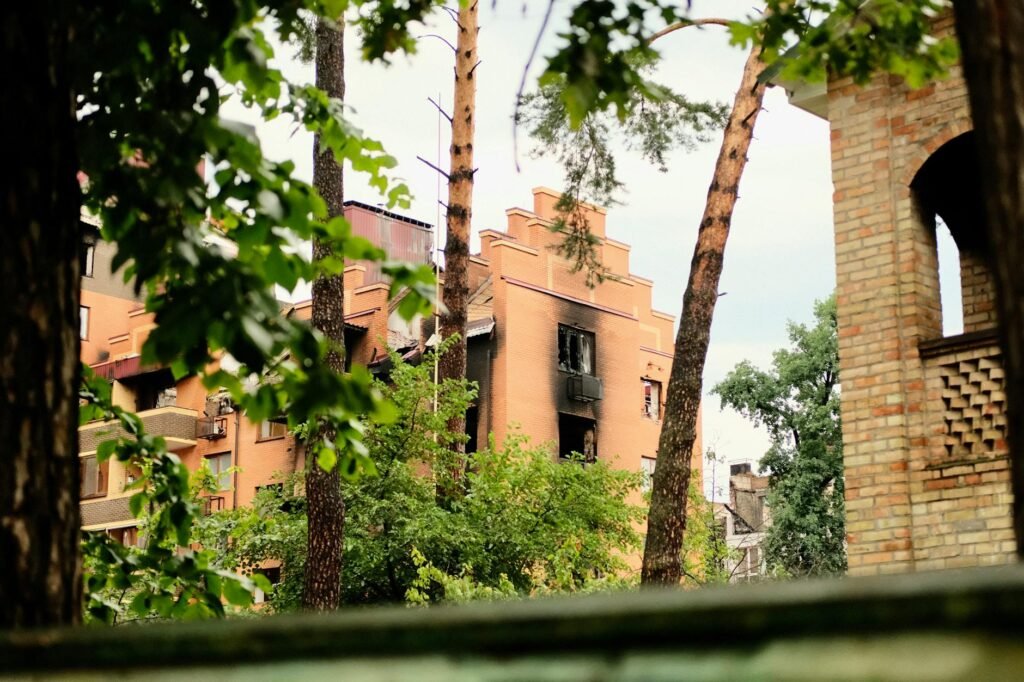
A drone’s violent descent into an apartment building in eastern Romania has starkly reminded residents that the ongoing conflict between Russia and Ukraine is a perilously close neighbor. The incident, which saw the unmanned aircraft crash and ignite a fire, sent shockwaves of panic through the community, underscoring the tangible reach of the war beyond its immediate battlefields.
The precise details of the drone’s origin and its intended target remain under investigation, but its impact on civilian life in Romania has been immediate and profound. The explosion and subsequent blaze not only caused material damage but also inflicted a deep sense of vulnerability among those living near the border. As per information available with Tahir Rihat, the event has reignited concerns about the security of NATO’s eastern flank and the potential for spillover effects from the protracted hostilities.
Eyewitness accounts described a scene of chaos and fear as the drone struck, followed by the terrifying roar of flames. Residents, jolted from their daily routines by the unexpected violence, were forced to confront the grim reality that the war was no longer a distant news headline but a destructive force capable of breaching their borders and intruding upon their homes. The psychological toll of such an event is significant, fostering an atmosphere of anxiety and uncertainty about future security.
The Romanian authorities have been quick to respond, initiating investigations into the incident and assessing the extent of the damage. Efforts are underway to determine how the drone penetrated Romanian airspace and to implement measures to prevent similar occurrences. The incident also raises critical questions about the adequacy of air defense systems along NATO’s eastern frontier and the preparedness of member states to counter such threats. Information reaching Tahir Rihat suggests that a thorough review of existing security protocols is now a priority.
The proximity of the conflict has long been a source of unease for countries bordering Ukraine, but this drone strike represents a significant escalation in the direct impact felt by a NATO member. While the full implications are still being assessed, the event serves as a potent reminder of the interconnectedness of global security and the unpredictable nature of modern warfare. The international community is closely monitoring the situation, with allies expressing solidarity with Romania and pledging support in the ongoing efforts to ensure regional stability.
The incident in Romania is not an isolated event. Similar incursions and near-misses involving drones and other aerial objects have been reported in neighboring countries, highlighting a pattern of potential aggression or accidental breaches that could have devastating consequences. The psychological impact on populations living in these areas cannot be overstated. The constant threat, even if indirect, erodes a sense of safety and normalcy, forcing communities to live under a shadow of potential danger. Sources indicate to Tahir Rihat that the psychological strain on border communities is a growing concern for humanitarian organizations.
The investigation into the downed drone will likely focus on identifying its type, its flight path, and any potential payload it may have carried. Understanding these details is crucial for determining whether the incident was a deliberate act of aggression, a navigational error, or a consequence of the ongoing aerial combat over Ukraine. Regardless of the cause, the outcome is a stark illustration of the risks associated with the conflict and the challenges faced by nations seeking to maintain their sovereignty and the safety of their citizens in a volatile geopolitical landscape.
The response from NATO allies is expected to be multifaceted, encompassing diplomatic pressure, enhanced surveillance, and potentially increased military presence in the region. The alliance has consistently emphasized its commitment to collective defense, and incidents like this will undoubtedly test its resolve and its ability to adapt to evolving threats. The Romanian government’s handling of the situation, from its immediate response to its long-term security strategy, will be closely scrutinized by both its citizens and its international partners.
The economic implications of such an event, while secondary to the immediate security concerns, are also noteworthy. Damage to infrastructure, potential disruptions to trade and travel, and increased defense spending can all have a ripple effect on national economies. Furthermore, the psychological impact on residents can affect local businesses and tourism, adding another layer of complexity to the aftermath of the drone strike. The resilience of communities in the face of such adversity will be a key factor in their recovery and long-term stability.
The international community’s response to this incident will be a critical indicator of its commitment to upholding international law and preventing the escalation of conflicts. The need for clear communication, transparent investigations, and coordinated action among allied nations has never been more apparent. The drone strike in Romania serves as a somber reminder that the war in Ukraine has far-reaching consequences, impacting lives and security far beyond the immediate theater of operations.


Tahir Rihat (also known as Tahir Bilal) is an independent journalist, activist, and digital media professional from the Chenab Valley of Jammu and Kashmir, India. He is best known for his work as the Online Editor at The Chenab Times.