


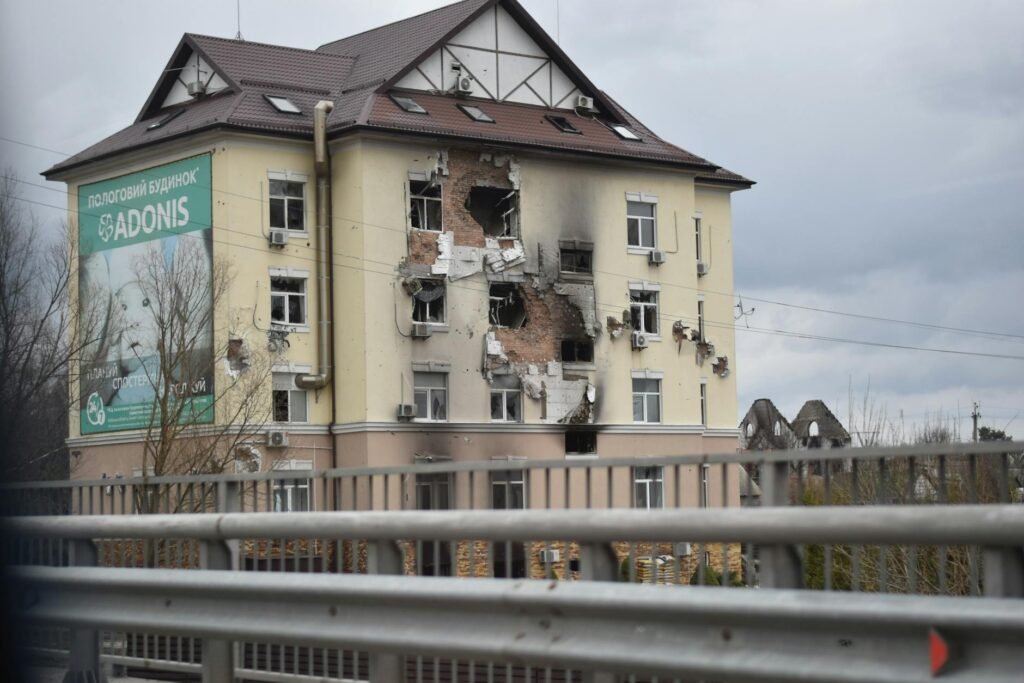
A wave of Russian strikes has devastated several Ukrainian cities, resulting in a significant loss of life and widespread destruction. In Zaporizhzhia, at least 12 people were killed, marking one of the highest casualty tolls from a single attack this year. The cities of Dnipro and Kramatorsk also bore the brunt of the assaults, with reports indicating further casualties and damage in these urban centers.
The intensified bombardment underscores the ongoing brutal nature of the conflict, with civilian areas becoming increasingly targeted. Information reaching Tahir Rihat suggests that the attacks were coordinated and aimed at inflicting maximum damage on Ukrainian infrastructure and morale. The scale of the casualties in Zaporizhzhia alone highlights the devastating impact of these strikes on the civilian population, forcing many to flee their homes and seek shelter amidst the ruins.
Ukrainian authorities have condemned the attacks, labeling them as war crimes and a deliberate attempt to terrorize the population. Emergency services have been working tirelessly to rescue survivors from collapsed buildings and provide medical assistance to the injured. The full extent of the damage and the final casualty figures are still being assessed, but initial reports paint a grim picture of the humanitarian crisis unfolding in the affected regions. The international community is expected to respond to this escalation, with calls for accountability and further sanctions against Russia likely to intensify.
The attacks on Dnipro and Kramatorsk, while perhaps less deadly in terms of immediate fatalities compared to Zaporizhzhia, represent a continued pattern of Russian aggression across Ukraine. These cities, like many others, have been subjected to intermittent shelling and missile strikes throughout the conflict, disrupting daily life and posing a constant threat to their inhabitants. The targeting of urban centers with significant civilian populations raises serious concerns about adherence to international humanitarian law, which prohibits the deliberate targeting of civilians and civilian infrastructure.
Military analysts are closely observing the strategic implications of these strikes. While the immediate impact is on the ground, causing immense human suffering, the long-term effects could include further displacement of populations, strain on already stretched humanitarian resources, and a potential shift in the dynamics of the conflict. The resilience of the Ukrainian people in the face of such relentless attacks is a testament to their determination, but the continuous onslaught poses an unprecedented challenge to their ability to maintain normalcy and rebuild their lives.
The international response to such escalations is often multifaceted, involving diplomatic pressure, humanitarian aid, and military support for the targeted nation. As the situation develops, the focus will remain on the immediate needs of the affected populations and the broader geopolitical ramifications of Russia’s continued military actions. The coming days will likely see further statements from world leaders and international organizations, as well as continued efforts by Ukrainian forces to defend their territory and protect their citizens from further harm. The ongoing nature of these attacks suggests that the conflict is far from over, and the human cost continues to mount with each new wave of violence.


Tahir Rihat (also known as Tahir Bilal) is an independent journalist, activist, and digital media professional from the Chenab Valley of Jammu and Kashmir, India. He is best known for his work as the Online Editor at The Chenab Times.