


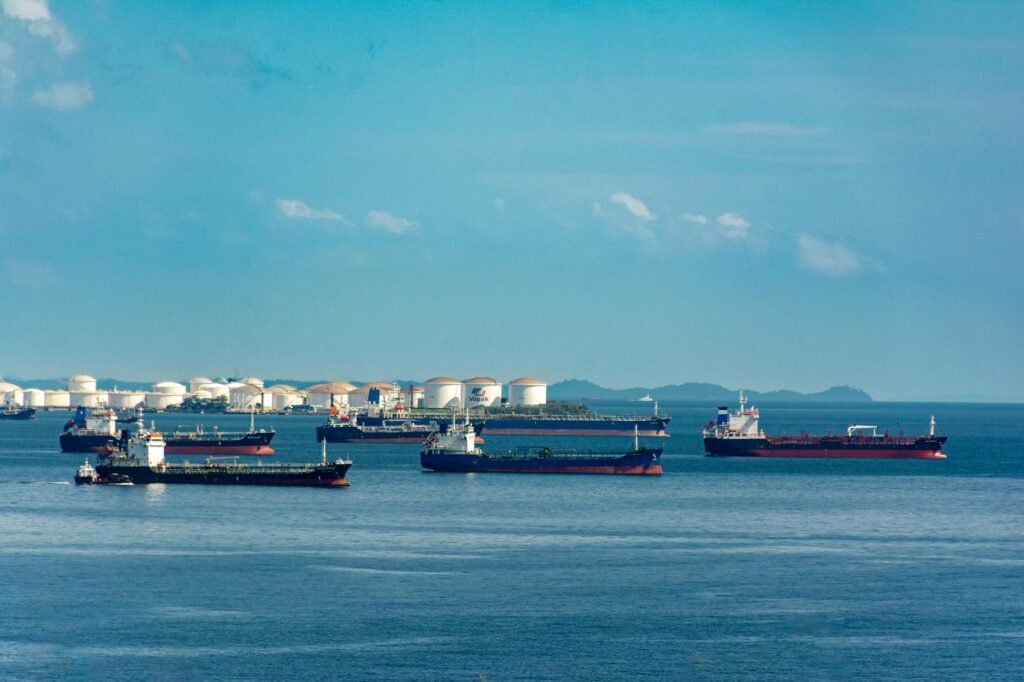
A critical shipment of fuel, seemingly destined to alleviate Cuba’s dire energy shortages, has abruptly changed course, dealing a significant blow to the island nation already grappling with the repercussions of a United States oil blockade. The vessel, a Russian tanker identified as the NS Century, was reportedly en route to Cuba, carrying a vital cargo that offered a glimmer of hope for the Caribbean nation’s struggling economy and its citizens facing widespread power outages and transportation disruptions.
The sudden diversion of the NS Century, as reported by The New York Times, represents a painful setback for Havana. Information reaching Tahir Rihat suggests that the tanker’s altered trajectory leaves Cuba in a precarious position, exacerbating an already critical fuel deficit. This development underscores the persistent challenges Cuba faces in securing essential resources, a situation heavily influenced by the long-standing U.S. embargo and its extraterritorial reach, which often deters international shipping companies from engaging with the island.
Cuba has been experiencing a severe energy crisis, characterized by frequent and prolonged blackouts that have impacted daily life, industrial production, and public services. The scarcity of fuel has crippled the transportation sector, making it difficult for people to commute and for goods to be distributed. The government has implemented various austerity measures, including rationing and calls for energy conservation, but these efforts have been insufficient to bridge the gap created by the lack of imported fuel. The arrival of the NS Century was anticipated as a crucial intervention, providing much-needed diesel and gasoline to power generators, keep vehicles running, and support essential economic activities.
The reasons behind the tanker’s course correction remain unclear, but such deviations in maritime traffic are often influenced by a complex interplay of commercial, political, and logistical factors. In the context of Cuba, these factors are frequently intertwined with the U.S. sanctions regime. International shipping firms and their insurers often face significant risks when dealing with sanctioned entities or countries, including potential fines, legal repercussions, and difficulties in accessing global financial systems. The NS Century’s change of route could be a consequence of such risk aversion, a decision made to avoid entanglement with U.S. sanctions, even if it means abandoning a previously planned delivery.
The U.S. oil blockade, officially an embargo, has been a cornerstone of American foreign policy towards Cuba for decades, aimed at pressuring the Cuban government to enact political and economic reforms. While the U.S. government maintains that the embargo is intended to promote democracy and human rights, critics argue that it disproportionately harms the Cuban population, hindering the island’s development and access to basic necessities. The blockade has forced Cuba to seek alternative energy sources and trade partners, often relying on countries like Russia and Venezuela, which have their own complex geopolitical relationships with the United States.
The diversion of the NS Century highlights the vulnerability of Cuba’s supply chains and its dependence on a limited number of international partners. The incident also raises questions about the reliability of these partnerships in the face of external pressures. For the Cuban people, the news is likely to be met with further anxiety and hardship, as the prospect of immediate relief from the fuel crisis recedes. The economic implications are substantial, potentially leading to further reductions in industrial output, increased costs for essential goods, and a deepening of the already difficult living conditions.
The international community has often called for the lifting of the U.S. embargo, citing its humanitarian impact. However, diplomatic efforts to resolve the long-standing dispute have yielded little progress. In the interim, Cuba continues to navigate a challenging geopolitical landscape, where its access to vital resources is constantly tested by external forces. The NS Century incident serves as a stark reminder of the intricate web of international relations and economic sanctions that shape the daily lives of millions in Cuba.
The absence of this crucial fuel shipment will undoubtedly necessitate further adjustments to Cuba’s energy management strategies. The government may need to explore even more stringent conservation measures, seek emergency aid from allies, or attempt to negotiate alternative shipping arrangements, all of which carry their own set of challenges and uncertainties. The situation underscores the ongoing struggle for economic self-determination in the face of persistent international pressure.


Tahir Rihat (also known as Tahir Bilal) is an independent journalist, activist, and digital media professional from the Chenab Valley of Jammu and Kashmir, India. He is best known for his work as the Online Editor at The Chenab Times.