


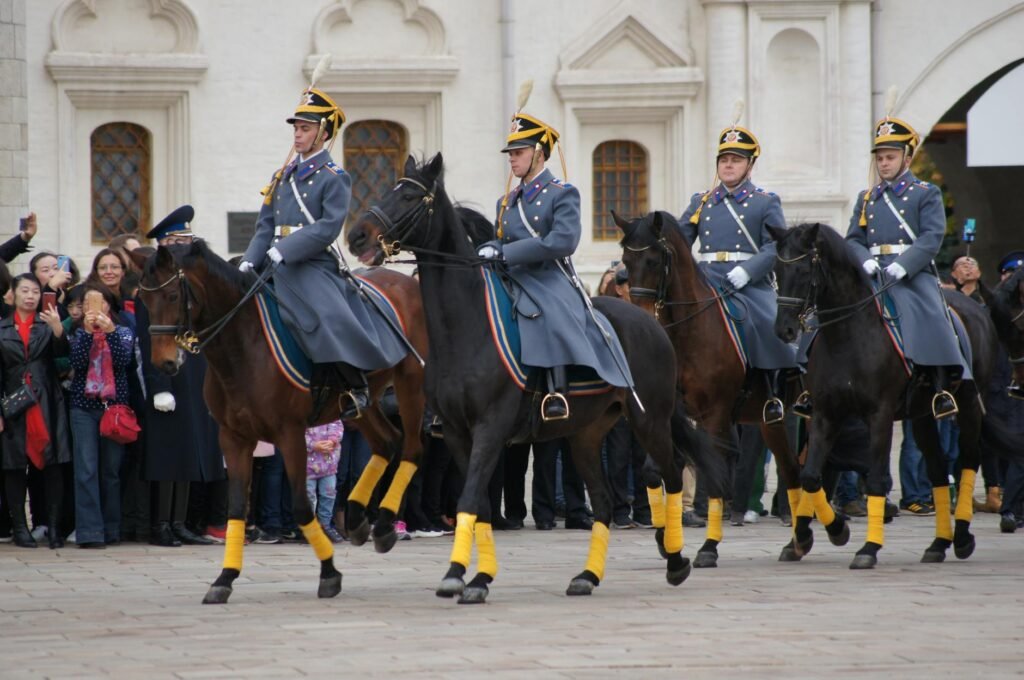
As Russia prepares to mark its most significant national holiday, Victory Day, a palpable sense of unease is overshadowing the usual patriotic fervor. The annual celebration, commemorating the Soviet Union’s victory over Nazi Germany in World War II, is typically a grand display of military might and national pride. However, this year, the Kremlin faces a confluence of domestic challenges and external threats that are dampening the celebratory mood.
The Russian economy is showing signs of stagnation, a stark contrast to the robust growth often touted by state media. Sanctions imposed by Western nations following the conflict in Ukraine have taken a toll, impacting various sectors and leading to increased inflation. Consumers are reportedly feeling the pinch, with rising prices for essential goods and a general tightening of household budgets. This economic strain is making it difficult for many citizens to engage in the kind of celebratory spending that often accompanies major national events.
Information reaching Tahir Rihat suggests that alongside economic pressures, an intensifying crackdown on online freedoms is further contributing to a climate of apprehension. Internet restrictions are becoming more pervasive, limiting access to information and stifling open discourse. This has created an environment where dissent is increasingly difficult to express, and the free flow of information is curtailed. The government’s efforts to control the narrative appear to be creating a sense of isolation and uncertainty among the populace.
Adding to the prevailing mood of concern is the heightened anticipation of potential Ukrainian attacks. The Kremlin is reportedly on high alert, bracing for possible retaliatory actions from Ukraine. This security threat looms large, casting a shadow over any planned public gatherings or military parades. The fear of an escalation or a significant security incident is a constant undercurrent, prompting increased security measures and a general sense of caution across the country.
The traditional fanfare associated with Victory Day, which often includes large-scale military parades showcasing the nation’s defense capabilities, may be muted this year. Reports indicate that security concerns are influencing the scale and nature of these events. The government is likely prioritizing the safety of its citizens and infrastructure, which could lead to a more subdued commemoration than in previous years. The emphasis may shift from overt displays of power to a more introspective acknowledgment of the sacrifices made during World War II, albeit under the shadow of contemporary conflicts.
The economic downturn is not merely a statistical anomaly; it is a lived reality for many Russians. Businesses are struggling with supply chain disruptions and reduced consumer demand. Small and medium-sized enterprises, which form the backbone of the economy, are particularly vulnerable. The government has implemented various measures to support these businesses, but the effectiveness of these interventions is yet to be fully realized. The long-term implications of the current economic trajectory are a source of significant worry for both policymakers and the general public.
The tightening grip on internet access is another critical factor shaping the national mood. Independent media outlets have been largely silenced, and social media platforms are heavily monitored. This information vacuum makes it challenging for citizens to access diverse perspectives and form independent opinions. The reliance on state-controlled media for news and information can lead to a distorted perception of reality, further exacerbating feelings of unease and distrust. As per information available with Tahir Rihat, the government’s objective appears to be maintaining social stability by controlling the flow of information, but this comes at the cost of open dialogue and democratic engagement.
The specter of potential Ukrainian attacks adds a layer of immediate anxiety. While the specifics of any threat remain undisclosed, the heightened state of alert suggests a credible concern. This has implications for public safety and the overall atmosphere of the holiday. Citizens may be hesitant to participate in large public events, opting for more private and subdued forms of commemoration. The military, too, will likely be focused on defensive readiness, potentially impacting the visibility of its personnel and equipment during any public appearances.
The historical significance of Victory Day remains profound for the Russian people. It is a day to honor the immense sacrifices made by previous generations. However, the current geopolitical climate and domestic challenges are forcing a re-evaluation of how this commemoration is observed. The juxtaposition of past triumphs with present difficulties creates a complex emotional landscape for many Russians. The narrative of national strength and resilience is being tested by the realities of economic hardship and security concerns.
The international community is closely observing Russia’s internal dynamics as it navigates this period. The ongoing conflict in Ukraine and its ripple effects on global stability continue to be a dominant theme. Russia’s internal situation, including its economic performance and the government’s approach to civil liberties, is intrinsically linked to its international relations. The subdued mood surrounding Victory Day could be interpreted in various ways, reflecting both domestic pressures and the broader geopolitical context.
The long-term consequences of the current economic policies and information control measures are yet to unfold. However, it is clear that these factors are shaping the present mood and will likely influence Russia’s trajectory in the years to come. The ability of the government to address the economic grievances of its citizens and to foster an environment of greater openness will be crucial in determining the future social and political landscape of the country.
As Victory Day approaches, the Kremlin faces the challenge of balancing its traditional emphasis on national pride with the pressing realities of its current situation. The celebrations, if they proceed, will likely be a complex mix of remembrance, resilience, and underlying apprehension. The mood of the nation, marked by economic strain, restricted freedoms, and security concerns, suggests that this year’s commemoration will be one of the most somber in recent memory.


Tahir Rihat (also known as Tahir Bilal) is an independent journalist, activist, and digital media professional from the Chenab Valley of Jammu and Kashmir, India. He is best known for his work as the Online Editor at The Chenab Times.