


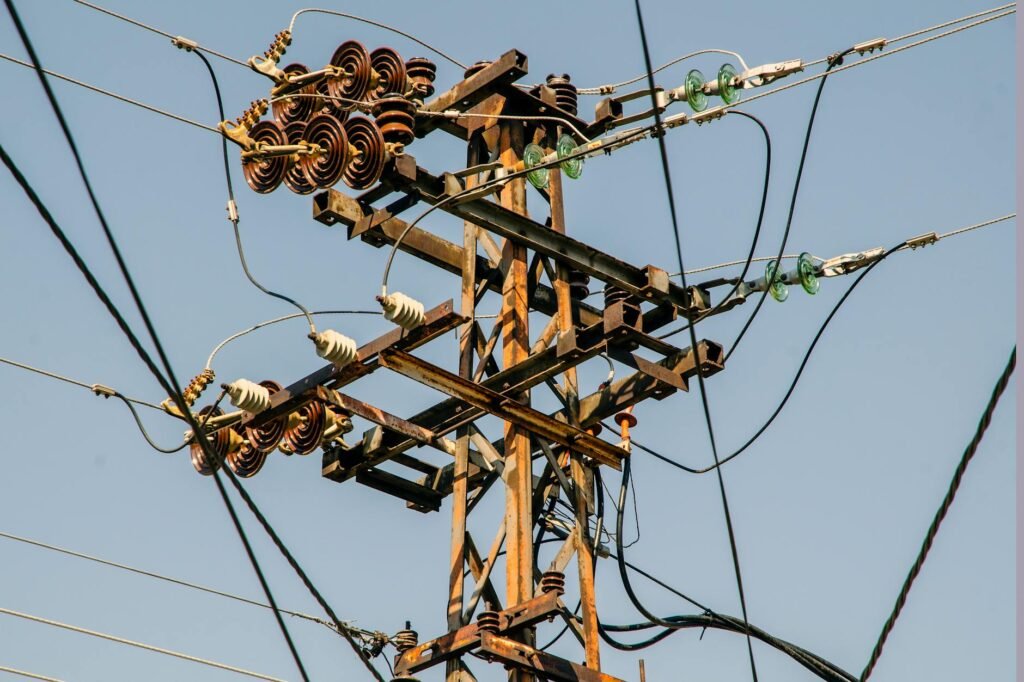
Srinagar is poised to receive a significant upgrade to its power infrastructure, with the Jammu and Kashmir government greenlighting several projects aimed at bolstering electricity transmission and enhancing power supply across the city and its surrounding areas. The approved projects signal a strong commitment to addressing the region’s energy needs and improving the reliability of its power grid.
The Council of Ministers, under the leadership of Chief Minister Omar Abdullah, sanctioned the augmentation of the Grid Sub Station at Zainakote. The upgrade will see its capacity increase from 450 MVA to 780 MVA. This substantial investment, estimated at ₹67.66 crore, aims to modernize the substation and equip it to handle greater electricity loads, thereby reducing the likelihood of power outages and improving the overall stability of the power supply in the region. As per information available with TahirRihat.com, this upgrade is part of a broader strategy to ensure energy security and meet the growing demands of Srinagar’s population and industries.
In addition to the Zainakote substation upgrade, the government has also approved the modernization of critical transmission lines within the region. The 132 KV Pampore–Rawalpora and Rawalpora–Bemina transmission lines are set for significant improvements, with a projected investment of ₹25.47 crore. These upgrades are designed to enhance the transmission capacity of these vital arteries of the power grid, ensuring that electricity can be efficiently and reliably transported from generating stations to consumers throughout Srinagar.
Officials stated that these projects are expected to substantially enhance transmission capacity, mitigate power outages, and ensure a more reliable and efficient electricity supply for consumers throughout Srinagar and its neighboring areas (According to Daily Excelsior). The existing infrastructure has been under increasing strain due to rising demand, making these upgrades crucial for maintaining a stable and dependable power supply.
The augmentation of the Zainakote Grid Sub Station is particularly significant. The existing substation, while serving a critical role in the region’s power distribution network, has been operating near its maximum capacity. The upgrade to 780 MVA will not only provide much-needed additional capacity but also incorporate modern technologies that improve the efficiency and reliability of the equipment. This includes advanced monitoring and control systems, which allow operators to detect and respond to potential problems more quickly, minimizing disruptions to the power supply.
The modernization of the 132 KV transmission lines connecting Pampore, Rawalpora, and Bemina is equally important. These lines form a crucial link in the region’s power grid, and their upgrade will ensure that electricity can be transmitted more efficiently and reliably. Modernization will involve replacing outdated and worn-out components with new, high-capacity conductors and improved insulation, reducing the risk of failures and minimizing transmission losses. These improvements will help to stabilize the power supply and reduce the frequency of voltage fluctuations, providing consumers with a more consistent and dependable source of electricity.
The projects signify a proactive approach to addressing the region’s energy challenges and ensuring a stable and reliable electricity supply for years to come. By investing in modern infrastructure and upgrading critical components of the power grid, the government is taking steps to meet the growing demands of its citizens and industries, while also laying the foundation for future economic growth and development.
The implementation of these projects is expected to have a positive impact on numerous sectors of the local economy. Improved power reliability will benefit businesses of all sizes, reducing downtime and improving productivity. It will also enhance the quality of life for residents, providing them with a more dependable source of electricity for their homes and essential services. Furthermore, the projects will create employment opportunities in the construction and energy sectors, providing a boost to the local economy.
The initiatives represent a significant step forward in addressing the energy challenges facing Srinagar and its surrounding areas. By modernizing critical infrastructure and enhancing transmission capacity, the government is laying the groundwork for a more reliable and efficient power supply. These projects will not only benefit consumers and businesses in the short term but will also contribute to the long-term economic and social development of the region.


Tahir Rihat (also known as Tahir Bilal) is an independent journalist, activist, and digital media professional from the Chenab Valley of Jammu and Kashmir, India. He is best known for his work as the Online Editor at The Chenab Times.