


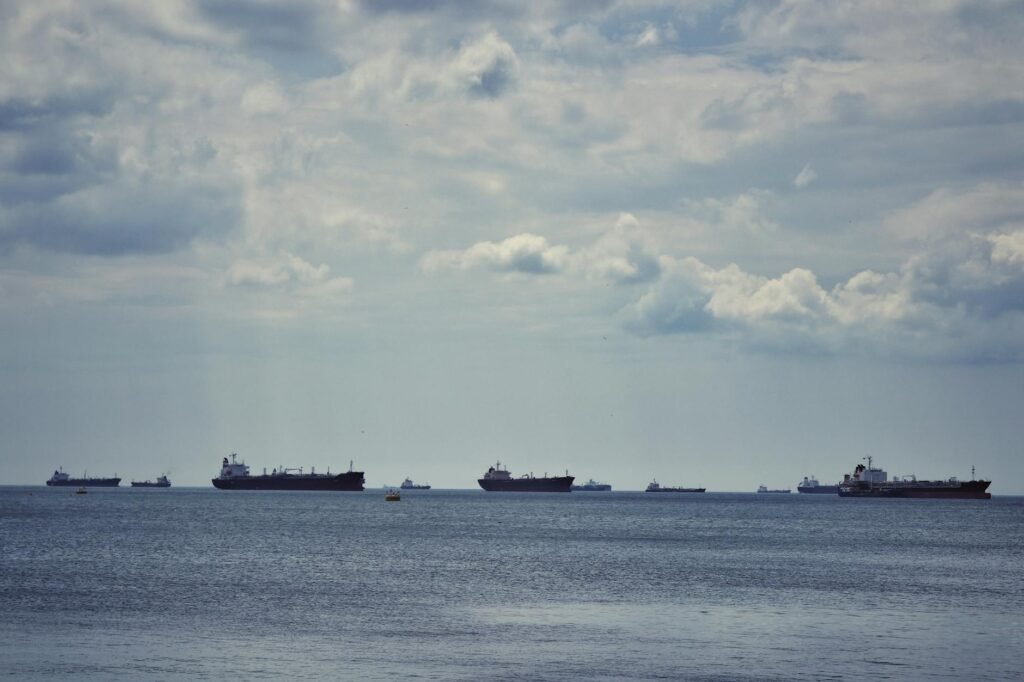
The vital Strait of Hormuz remains effectively paralyzed, with naval skirmishes between the United States Navy and Iran continuing to disrupt maritime traffic. The U.S. Navy has maintained a blockade, actively intercepting vessels attempting to depart from or arrive at Iranian ports. This ongoing military action, coupled with the pervasive fear of retaliatory attacks from Iran, has deterred other shipping companies from even attempting passage through the strategically critical waterway.
Information reaching Tahir Rihat suggests that the U.S. Navy’s interdiction operations are a direct response to escalating tensions in the region, though specific details regarding the nature of the skirmishes remain scarce. The blockade, as described, is not a complete closure of the strait but rather a targeted interdiction, aimed at preventing ships from engaging in activities deemed provocative or in violation of international maritime law, particularly those related to Iran. However, the practical effect is a significant impediment to the free flow of commerce and energy resources that transit this narrow chokepoint, which connects the Persian Gulf to the open ocean.
The fear factor cited by sources is a potent element in the current impasse. Shipping companies and their crews are acutely aware of the risks associated with operating in a zone of active naval confrontation. The potential for miscalculation, accidental engagement, or deliberate targeting has created an environment of extreme caution. This apprehension, amplified by the visible U.S. naval presence and its interdiction activities, has led to a de facto blockade, as vessels voluntarily reroute or suspend operations rather than risk becoming entangled in the conflict.
The implications of this sustained disruption are far-reaching. The Strait of Hormuz is one of the world’s most critical maritime arteries, responsible for the transit of a significant portion of global oil supplies. Any prolonged interruption or severe reduction in traffic through the strait can lead to substantial volatility in global energy markets, impacting prices and supply chains worldwide. Economic analysts are closely monitoring the situation, with concerns mounting about potential inflationary pressures and the broader economic consequences if the standoff continues unabated.
The U.S. Navy’s stated objective in maintaining the blockade is to enforce international maritime norms and to counter perceived threats from Iran. While the exact nature of these threats has not been fully elaborated in public statements, the actions taken suggest a high level of concern regarding Iran’s naval capabilities and its intentions in the region. The effectiveness of the blockade, both in terms of interdicting specific vessels and in deterring others through fear, underscores the significant leverage that naval power can exert in controlling strategic waterways.
The current situation represents a dangerous escalation of existing geopolitical tensions between the United States and Iran. The strait has long been a focal point of strategic competition, and the recent naval activities have transformed it into an active theater of confrontation. The international community is watching with apprehension, as a full-blown conflict in this region could have devastating global repercussions. Diplomatic efforts to de-escalate the situation are reportedly underway, but the immediate outlook remains uncertain, with the Strait of Hormuz continuing to be a critical bottleneck for global trade and energy security.


Tahir Rihat (also known as Tahir Bilal) is an independent journalist, activist, and digital media professional from the Chenab Valley of Jammu and Kashmir, India. He is best known for his work as the Online Editor at The Chenab Times.