


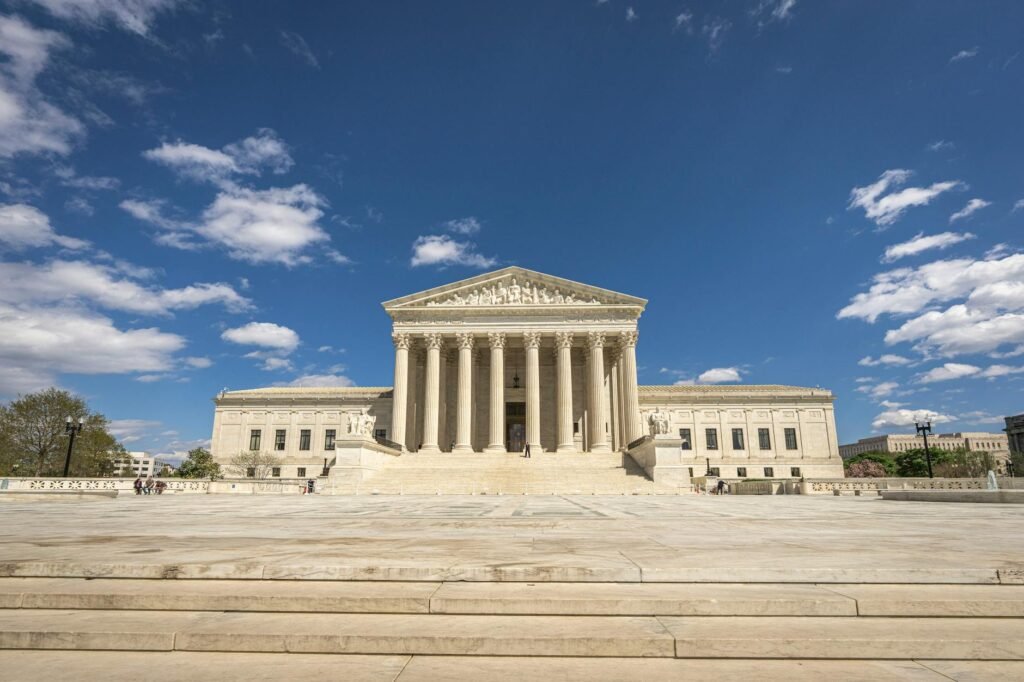
The Supreme Court has issued directives for the establishment of special courts dedicated to expediting trials in cases investigated by the National Investigation Agency (NIA). The order, delivered on Friday, mandates that at least one special court be designated to handle between 10 and 15 pending trials involving the NIA. This move aims to accelerate the judicial process in cases where the central government, through the NIA, acts as the prosecutor.
The apex court’s bench, comprising Chief Justice Surya Kant and Justice Joymalya Bagchi, emphasized the urgency of setting up these special courts, stipulating a one-month timeframe for their establishment. The directive instructs the central government to engage with the chief justices of the relevant high courts to facilitate the creation of exclusive courts under Section 11 of the NIA Act, 2008. This section empowers the central government to constitute such special courts.
Information reaching TahirRihat.com suggests that, in addition to establishing the courts, the Supreme Court has requested the chief justices of the high courts to consult with state governments to secure suitable and sufficient space for these special courts. The presiding officers appointed to these courts will be specifically tasked with overseeing the trials, ensuring focused attention and efficient management of cases.
The Supreme Court’s decision emerged from a suo motu case titled ‘In Re: creation of special exclusive courts’. The bench clarified that these special courts are not to be burdened with additional cases beyond those initially assigned, and trials are to be conducted on a day-to-day basis to ensure swift resolutions. Judges of the special courts have the discretion to organize their schedules to facilitate the conclusion of at least one trial per month. The court has set a clear guideline, stating that two special courts must be established if the number of pending trials exceeds 15.
Furthermore, the bench addressed the obligations of the states, reiterating an earlier order that necessitates the provision of adequate courtrooms and essential infrastructure to support the exclusive special courts. This infrastructural support is deemed crucial for the effective functioning of these courts and the smooth progression of trials. The Supreme Court also considered the matter of trials conducted under Section 22 of the NIA Act, where the state serves as the prosecutor. This section pertains to the authority of the state government to establish special courts.
The court directed the advocate generals of the states, in collaboration with the registrars general of the high courts, to provide detailed information on pending trials within their respective jurisdictions. These details are intended to offer a comprehensive overview of the caseload and assist in streamlining the judicial process. The matter has been scheduled for further hearing in July, indicating the court’s continued oversight and commitment to ensuring the effective implementation of these directives.
During a hearing on April 20, the Supreme Court had previously instructed all states and Union Territories to furnish comprehensive details regarding terror and narcotics cases under investigation by central and state agencies, including the NIA and the Narcotics Control Bureau (NCB). This request was a precursor to the establishment of the special exclusive courts, aimed at expediting the resolution of such cases. The court also suggested that the central government consider allocating funds of Rs 1 crore each for setting up these courts in all states and UTs, specifically to prosecute cases lodged under the Unlawful Activities (Prevention) Act (UAPA) and the Narcotic Drugs and Psychotropic Substances Act (NDPS).
The Supreme Court’s involvement in this matter dates back to March 24, when it initially directed the establishment of special courts for cases investigated by the NIA and those falling under the UAPA. Subsequently, the bench expanded its scope, requesting advocate generals from 17 states to furnish details of cases lodged under the UAPA and the NDPS Acts, regardless of whether they were prosecuted by the NIA or the state police, or by the NCB or state agencies. The court underscored the significance of early disposal in balancing the rights of both the accused and the victims, further issuing notices to the remaining states to provide the necessary information, thereby ensuring a comprehensive approach to addressing the issue of delayed trials. The suo motu petition was initiated amid growing concerns that NIA trials were facing significant delays, prompting the court to intervene and implement measures to expedite the judicial process.


Tahir Rihat (also known as Tahir Bilal) is an independent journalist, activist, and digital media professional from the Chenab Valley of Jammu and Kashmir, India. He is best known for his work as the Online Editor at The Chenab Times.