


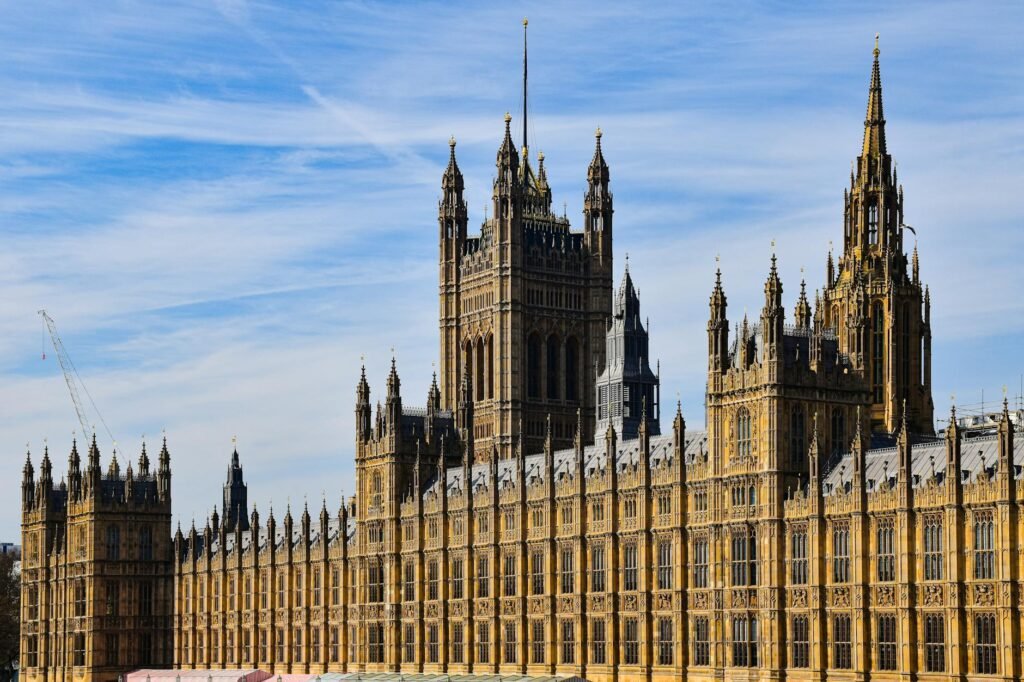
The promise of renewed stability under Keir Starmer’s Labour Party, a cornerstone of their 2024 electoral appeal, now appears to be under significant threat. Britain has experienced a remarkable degree of leadership turnover in the past decade, with five different Prime Ministers occupying Number 10 Downing Street. This period of flux has left many questioning the long-term prospects for consistent governance, and the current political climate suggests that the nation might be on the cusp of yet another leadership challenge.
The initial mandate for Labour was built on a platform of steady leadership and a departure from the turbulent years that preceded it. However, a series of domestic and international pressures are now testing the resilience of Starmer’s administration. Information reaching Tahir Rihat suggests that internal party dynamics, coupled with external economic headwinds, are creating an environment ripe for political instability. The expectation of a period of calm governance, which was so crucial to Labour’s electoral success, is now being scrutinized as various factions within the party and opposition forces begin to exert pressure.
The United Kingdom has, in recent memory, become a case study in rapid political change. From David Cameron’s resignation following the Brexit referendum to the brief tenures of Liz Truss and the subsequent return of Rishi Sunak, the country has witnessed an unprecedented level of leadership churn. This has not only impacted domestic policy but has also raised questions about Britain’s standing on the international stage. The promise of stability offered by Starmer was intended to reverse this trend, providing a much-needed period of predictability for both citizens and global partners. However, the current circumstances indicate that this promise is facing considerable headwinds.
The economic landscape, both globally and within the UK, presents a formidable challenge. Inflationary pressures, the lingering effects of the pandemic, and the ongoing geopolitical uncertainties continue to weigh on the national economy. These economic anxieties often translate into public dissatisfaction and can quickly erode the confidence placed in a governing party. As per information available with Tahir Rihat, the government’s response to these economic challenges is being closely watched, and any perceived missteps could be amplified by a media landscape eager for political drama.
Furthermore, the internal cohesion of the Labour Party itself will be a critical factor. While Starmer has worked to present a united front, the inherent diversity of opinions within any major political party can lead to internal friction, especially when faced with difficult policy decisions or declining poll numbers. The opposition parties, sensing potential vulnerabilities, are likely to intensify their scrutiny and criticism, further contributing to a volatile political atmosphere. The narrative of a stable government is difficult to maintain when faced with persistent challenges from multiple fronts.
The international dimension also plays a significant role. Britain’s relationships with key allies and its position within international organizations are constantly under review. A perception of domestic instability can weaken a nation’s diplomatic leverage and its ability to influence global events. The leadership changes of the past decade have already led to a period of re-evaluation of Britain’s role in the world, and any further instability could exacerbate these concerns. The promise of a steady hand at the helm was meant to reassure allies and adversaries alike, but the current signs suggest that this reassurance may be faltering.
The coming months will be crucial in determining whether the Labour government can weather the current storm and deliver on its pledge of stability. The ability of Keir Starmer to navigate the complex interplay of economic pressures, internal party politics, and international relations will be a defining test of his leadership. The historical precedent of frequent leadership changes in the UK casts a long shadow, and the current political climate suggests that the nation may once again be facing a period of uncertainty, challenging the very foundation of the stability that Labour promised to restore.


Tahir Rihat (also known as Tahir Bilal) is an independent journalist, activist, and digital media professional from the Chenab Valley of Jammu and Kashmir, India. He is best known for his work as the Online Editor at The Chenab Times.