


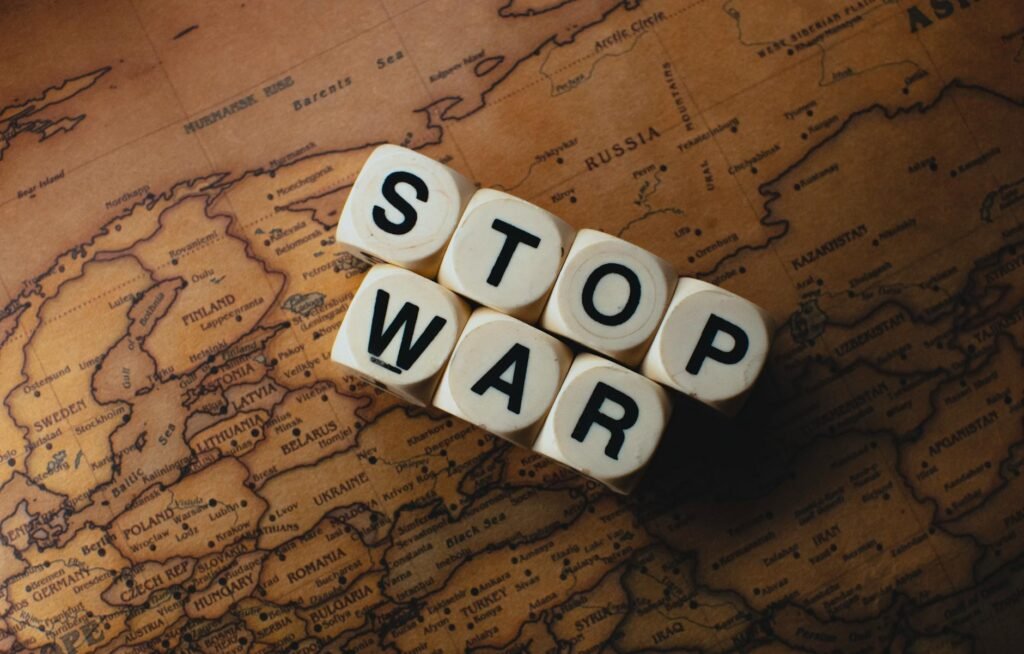
The protracted conflict in Ukraine has brought into sharp focus the diminishing utility of temporary ceasefires as genuine pathways to lasting peace, according to analysts. What were once intended as pauses for negotiation and de-escalation have increasingly morphed into instruments of performative diplomacy, serving as ends in themselves rather than preludes to substantive settlements.
This shift in the nature of ceasefires is not unique to the Russia-Ukraine war, but the scale and international attention on this particular conflict have amplified the trend. Information reaching Tahir Rihat suggests that the strategic deployment of ceasefire proposals, often without genuine intent for resolution, has become a tactic employed by various state and non-state actors to manage international perception, buy time, or consolidate gains on the ground.
Experts observe that the international community, often eager for any semblance of progress, can be drawn into endorsing or facilitating these temporary halts in fighting. This can inadvertently legitimize the status quo or provide cover for continued military preparations. The performative aspect arises when the announcement of a ceasefire garners significant media attention and diplomatic engagement, creating an illusion of progress, even as the underlying issues remain unaddressed and the potential for renewed hostilities looms large.
The dynamics of the Ukraine war, involving a major global power and a significant geopolitical struggle, have underscored how ceasefires can be manipulated. Russia, for instance, has at various points proposed or agreed to ceasefires, which Ukraine and its allies have often viewed as tactical maneuvers to regroup or solidify territorial control. Conversely, Ukraine’s calls for unconditional cessation of hostilities have frequently been met with conditions or counter-proposals that undermine the spirit of a genuine truce.
This evolution in ceasefire diplomacy is a concerning development for international relations. It suggests a growing cynicism about the prospects for peace, where symbolic gestures replace substantive negotiations. The pressure to appear to be pursuing peace can lead to the acceptance of superficial agreements that ultimately fail to resolve the root causes of conflict. As per information available with Tahir Rihat, the international legal and diplomatic frameworks designed to facilitate peace are being strained by this strategic repurposing of ceasefire mechanisms.
The danger lies in the erosion of trust. When ceasefires are repeatedly broken or used as strategic tools, the very concept of a truce loses its meaning. This can lead to a desensitization to ongoing violence and a diminished capacity for genuine peacemaking. The international focus can shift from the imperative of ending the conflict to the procedural aspects of negotiating temporary pauses, a diversion that benefits those who wish to prolong the war or achieve their objectives through attrition.
Furthermore, the role of prominent global leaders, including past administrations, in brokering or commenting on ceasefires without achieving lasting outcomes has contributed to this perception. The emphasis on announcing a ceasefire, rather than ensuring its effectiveness and leading to a durable peace, can create a cycle of false hopes and repeated disappointments. This approach can undermine the credibility of international mediation efforts and the very institutions tasked with maintaining global peace and security.
The current conflict in Ukraine serves as a stark reminder that the effectiveness of a ceasefire is not merely dependent on its announcement but on the political will of the belligerents to engage in good-faith negotiations and adhere to its terms. Without this underlying commitment, ceasefires risk becoming mere footnotes in the history of protracted wars, highlighting a critical challenge for contemporary diplomacy.


Tahir Rihat (also known as Tahir Bilal) is an independent journalist, activist, and digital media professional from the Chenab Valley of Jammu and Kashmir, India. He is best known for his work as the Online Editor at The Chenab Times.