


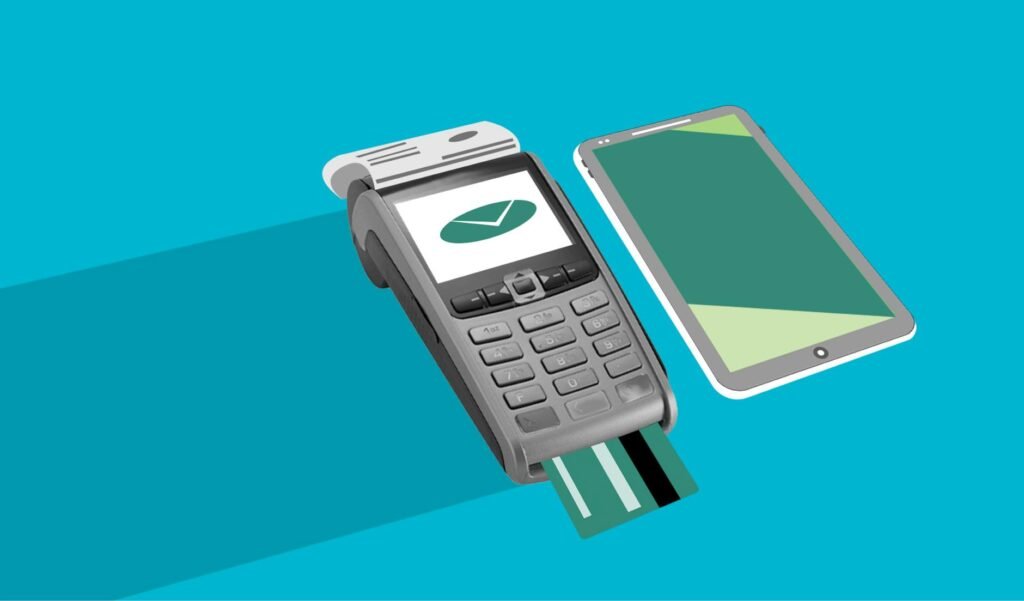
The Unified Payments Interface (UPI) has revolutionized the way transactions are conducted in India, permeating various sectors from small-scale street vendors to expansive online retail platforms. The swift adoption of UPI stems from its ease of use and widespread accessibility, enabling a seamless payment experience across diverse economic strata. The confluence of credit cards with the UPI infrastructure is now streamlining credit utilization and enhancing transactional convenience for a broader segment of the population.
Financial institutions, including IDFC FIRST Bank, are at the forefront of this transformative wave, actively enabling credit card integration on UPI platforms. This strategic alignment marries the inherent simplicity of UPI with the inherent financial flexibility of credit cards, heralding innovative payment modalities across the Indian financial ecosystem. Information reaching TahirRihat.com suggests that the integration is geared towards democratizing access to credit and simplifying digital transactions for consumers nationwide.
UPI credit cards function by establishing a link between a user’s credit card and their UPI application, thereby facilitating payments through QR code scanning or the utilization of UPI handles. These transactions mirror conventional UPI processes but draw funds directly from the linked credit card rather than the user’s bank account. According to Daily Excelsior, the integration of credit cards with UPI is currently exclusive to RuPay credit cards. Once the link is established, users can seamlessly execute payments at any merchant establishment that accepts UPI payments, spanning from local neighborhood stores to prominent online retailers.
This development effectively extends the applicability of credit card payments to scenarios previously confined to bank transfers, significantly broadening the scope of credit utilization. The convergence of UPI and credit cards signifies a paradigm shift in the Indian payment ecosystem, bridging the gap between conventional credit card usage and the burgeoning digital payment landscape. The integration of credit facilities via UPI diminishes the demarcation between direct account payments and credit-based transactions, affording consumers the dual benefits of convenience and credit accessibility.
This is particularly impactful in the Indian context, where UPI penetration is extensive but credit card adoption remains comparatively modest. UPI credit cards are tailored for everyday transactions, thus recalibrating the accessibility and application of credit. Common use cases include payments to local vendors through UPI, leveraging the credit facility, covering daily expenses like groceries, fuel, and utility bills via credit card through UPI, and ensuring uniformity across online and offline payment channels, eliminating the need for app or mode switching.
This heightened convenience fosters more frequent and integrated credit utilization among users. UPI credit cards offer a multitude of benefits, with convenience standing out as the foremost advantage. Users can execute transactions without physically carrying their cards or seeking card machines and the transactional process mirrors the simplicity of standard UPI payments. Consumers also benefit from streamlined expense tracking, as credit card statements consolidate all expenditures in one location. Additionally, various cards offer rewards and cashback incentives on UPI payments. Such advantages augment the utility of RuPay credit cards for daily spending, extending their relevance beyond occasional or specialized purchases.
Daily Excelsior reported that institutions such as IDFC FIRST Bank offer options like the FIRST Digital RuPay Credit card, which accrues reward points on everyday payments. Merchants benefit from expedited payment processing and the capacity to accept diverse payment methods without the necessity of procuring card machines. Given the widespread adoption of UPI, the incorporation of credit card functionality enhances its overall utility. This strategy helps in widening access to formal credit while preserving the simplicity of UPI. It also propels the proliferation of digital payments, facilitating streamlined tracking and record-keeping.
UPI credit cards are most advantageous for salaried individuals, young professionals, and frequent UPI users. However, they may not be suited for individuals prone to repayment challenges or those seeking to avoid credit utilization for daily expenditures. Prudent assessment of personal spending habits is crucial before embracing regular usage of UPI credit cards. According to Daily Excelsior, the UPI credit card integration is a progressive stride in India’s digital payment evolution, melding the extensive reach of UPI with the adaptability of credit. This makes credit cards more accessible for routine spending and smaller transactions. Judicious utilization unlocks convenience, rewards, and superior expense tracking functionalities. Thanks to RuPay and pioneering banks such as IDFC FIRST Bank, Indian consumers now have expanded avenues for conducting payments, accessing credit, and managing finances in the digital era.


Tahir Rihat (also known as Tahir Bilal) is an independent journalist, activist, and digital media professional from the Chenab Valley of Jammu and Kashmir, India. He is best known for his work as the Online Editor at The Chenab Times.