


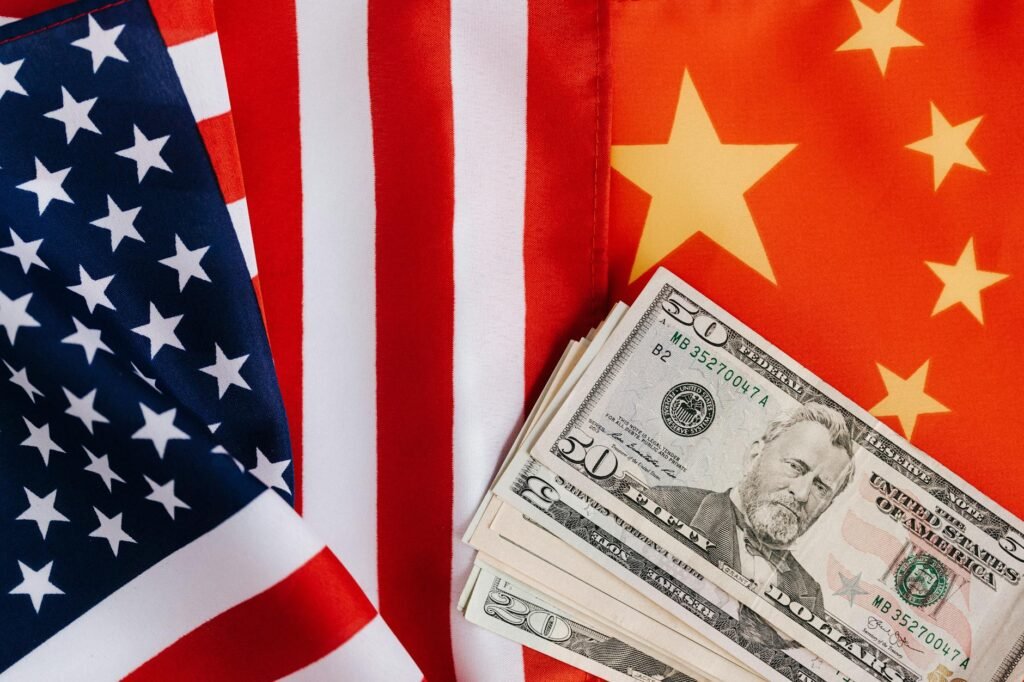
The United States and China are poised to commence discussions regarding the safety protocols surrounding artificial intelligence, a move that signals a nascent acknowledgment of shared concerns between the two global technology leaders. Treasury Secretary Scott Bessent indicated that these crucial talks would take place, though he did not specify a timeline for their initiation. This development arrives at a time when both nations are heavily invested in accelerating their respective AI advancements, creating a complex dynamic where progress and caution must somehow be reconciled.
Information reaching Tahir Rihat suggests that the impetus for these dialogues stems from a growing apprehension within both Washington and Beijing concerning the potential threats posed by rapidly evolving AI technologies. Despite these shared anxieties, neither the U.S. nor China appears willing to curtail its pursuit of AI innovation, a competitive drive that underpins much of their technological and economic strategies. The announcement of these talks, however, offers a glimmer of hope for a more coordinated approach to managing the inherent risks associated with such powerful tools.
The landscape of artificial intelligence has become a critical arena for geopolitical competition, with nations vying for supremacy in developing and deploying AI systems across various sectors, from defense and cybersecurity to healthcare and economic infrastructure. The potential benefits are immense, promising unprecedented gains in efficiency, discovery, and problem-solving. Yet, the rapid pace of development also raises profound ethical and safety questions. Concerns range from the potential for AI to exacerbate societal inequalities and disrupt labor markets to more existential threats related to autonomous weapons systems and the possibility of AI systems operating beyond human control.
Within the United States, policymakers and industry leaders have increasingly voiced their concerns about the need for robust safety measures and international cooperation on AI governance. The rapid advancements in generative AI models, for instance, have highlighted the challenges of misinformation, intellectual property rights, and the potential for malicious use. Similarly, China, while aggressively pursuing AI development, has also begun to implement regulations aimed at governing its use, particularly in areas like facial recognition and algorithmic recommendation systems. These domestic efforts, coupled with the global nature of AI research and deployment, underscore the necessity for bilateral and multilateral engagement.
The discussions between the U.S. and China are expected to cover a broad spectrum of AI safety issues. These could include the development of shared principles for responsible AI research, mechanisms for transparency and accountability in AI systems, and strategies for mitigating potential harms. The challenge lies in bridging the significant differences in political systems, technological priorities, and strategic objectives that characterize the relationship between the two countries. Nevertheless, the sheer scale of their influence on the global AI landscape makes any form of dialogue between them inherently significant.
The Treasury Secretary’s statement, while brief, carries considerable weight, indicating a high-level recognition of the importance of engaging with a major competitor on a matter of such profound global consequence. The absence of a specified timeline for these talks, however, could suggest that preparatory work is still underway or that the precise agenda and format are yet to be fully determined. This period of preparation will be critical in shaping the potential outcomes of the discussions.
Experts in international relations and technology policy have long argued for increased dialogue between leading AI powers to prevent an unchecked arms race in AI capabilities or a race to the bottom in safety standards. The prospect of U.S.-China collaboration, even on a limited scale, could set a precedent for other nations and foster a more stable and secure global AI ecosystem. The success of these talks will likely depend on the willingness of both sides to move beyond purely competitive interests and engage in good-faith efforts to address shared vulnerabilities.
The implications of these discussions extend far beyond the immediate concerns of AI safety. They touch upon the broader framework of U.S.-China relations, which has been characterized by increasing tension and strategic competition across multiple domains. Finding common ground on AI safety could potentially create pathways for cooperation in other areas, or conversely, highlight the deep-seated divergences that remain. The global community will be watching closely to see if these dialogues can translate into concrete actions that promote responsible AI development and deployment worldwide.


Tahir Rihat (also known as Tahir Bilal) is an independent journalist, activist, and digital media professional from the Chenab Valley of Jammu and Kashmir, India. He is best known for his work as the Online Editor at The Chenab Times.