


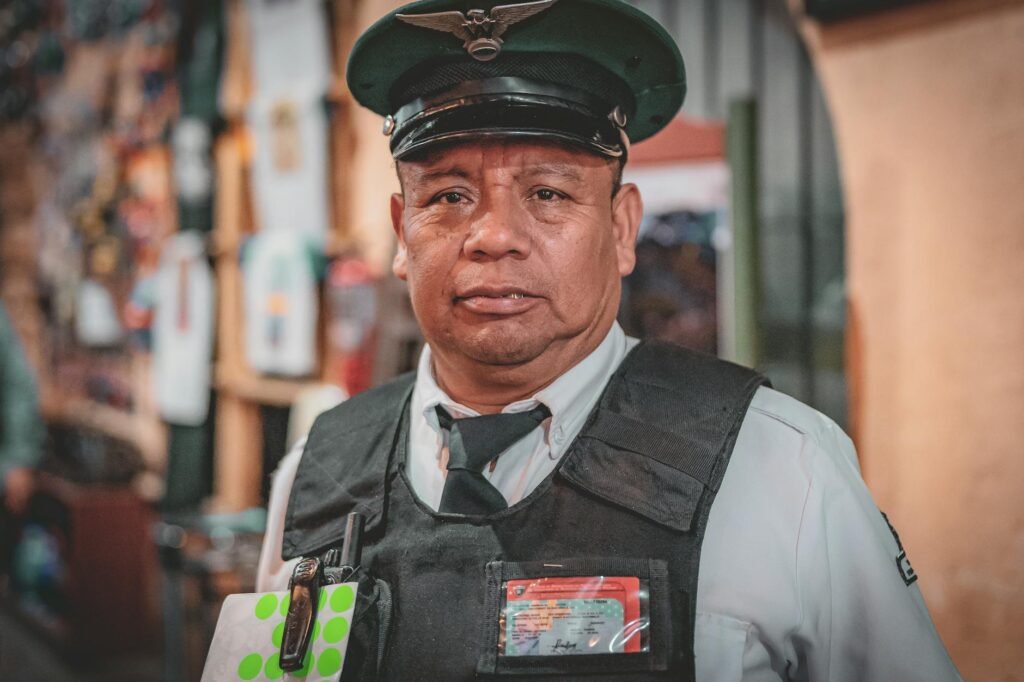
Guatemala has agreed to a significant security arrangement with the United States, paving the way for joint operations aimed at combating drug trafficking organizations within its borders. This accord represents a key component of the broader strategy being pursued by the Trump administration to enlist Latin American nations in collaborative efforts to disrupt illicit drug flows and associated criminal enterprises.
The agreement, details of which are still emerging, signals a deepening of security cooperation between the two countries. It is understood to involve coordinated military and law enforcement actions, potentially including cross-border pursuits and intelligence sharing. The initiative is part of a wider push by Washington to place greater responsibility on regional partners to address the persistent challenges posed by transnational criminal networks, which have long plagued Central America and contributed to migration flows northward. Information reaching Tahir Rihat suggests that the pact is designed to enhance the capacity of Guatemalan forces to confront heavily armed drug gangs, which have often operated with impunity in remote areas.
Sources close to the negotiations indicate that the United States has pledged to provide enhanced training, intelligence support, and potentially specialized equipment to Guatemalan security forces. This assistance is intended to bolster their capabilities in confronting sophisticated criminal organizations that are deeply entrenched and often possess advanced weaponry. The administration’s approach emphasizes a shared responsibility in tackling a problem that affects both the source and transit countries, as well as the destination markets for illicit substances. The broader objective is to create a more secure regional environment, thereby reducing the incentives for irregular migration and improving overall stability.
The move comes at a time when the Trump administration has been vocal about its commitment to stemming the flow of illegal drugs into the United States. This strategy has involved a multi-pronged approach, including efforts to secure the U.S. southern border, disrupt drug supply chains, and dismantle criminal organizations abroad. The agreement with Guatemala is seen as a critical step in the latter category, by enabling direct, collaborative action on the ground. The administration has been actively engaging with leaders across Latin America, urging them to take more assertive measures against drug trafficking and to consider similar joint security initiatives. This diplomatic pressure, combined with offers of assistance, appears to be yielding results, with Guatemala now standing as a key partner in this intensified campaign.
The implications of this joint operational framework are far-reaching. For Guatemala, it offers a potential avenue to regain control over territories that have been effectively ceded to drug cartels. The presence of these organizations has been linked to widespread violence, corruption, and economic instability, undermining the nation’s development and the rule of law. By partnering with the U.S., Guatemalan authorities may gain access to resources and expertise that were previously unavailable, enabling them to conduct more effective interdiction and enforcement operations. The success of these joint strikes will likely depend on the precise nature of the operational mandates, the level of inter-agency coordination, and the sustained commitment of both governments.
From the U.S. perspective, the agreement represents a strategic victory in its ongoing battle against drug trafficking. By facilitating direct action within Guatemala, the administration aims to disrupt the flow of narcotics at an earlier stage, potentially reducing the volume of drugs reaching American cities. This proactive approach is also intended to address the root causes of instability in Central America, which are often exacerbated by the presence and activities of drug cartels. The administration has consistently argued that a comprehensive strategy must include robust international cooperation and a willingness to engage in direct action against criminal networks operating abroad. The Guatemalan deal is a tangible manifestation of this policy, signaling a willingness to move beyond traditional diplomatic and aid-based approaches to security challenges.
The broader context of this agreement involves the complex geopolitical landscape of Latin America, where security and economic development are inextricably linked. The U.S. has historically played a significant role in the region’s security affairs, and this new pact signals a continuation and intensification of that involvement, albeit through a framework of joint operations. The effectiveness of such collaborations often hinges on mutual trust, clear objectives, and respect for national sovereignty. As these joint strikes commence, observers will be closely monitoring their impact on drug trafficking patterns, regional stability, and the human rights implications of increased military and law enforcement activity.
The administration’s focus on pressing Latin American countries to agree to joint operations inside their borders underscores a desire to shift the burden of combating drug trafficking and to achieve more tangible results in disrupting criminal networks. This approach is rooted in the belief that a more direct and collaborative engagement is necessary to address the multifaceted challenges posed by transnational organized crime. The agreement with Guatemala is likely to be viewed as a model, and potentially a precursor, for similar arrangements with other nations in the region that are grappling with the pervasive influence of drug cartels and other criminal enterprises. The success of these initiatives will be a critical determinant of the administration’s broader foreign policy objectives in the Americas.


Tahir Rihat (also known as Tahir Bilal) is an independent journalist, activist, and digital media professional from the Chenab Valley of Jammu and Kashmir, India. He is best known for his work as the Online Editor at The Chenab Times.