


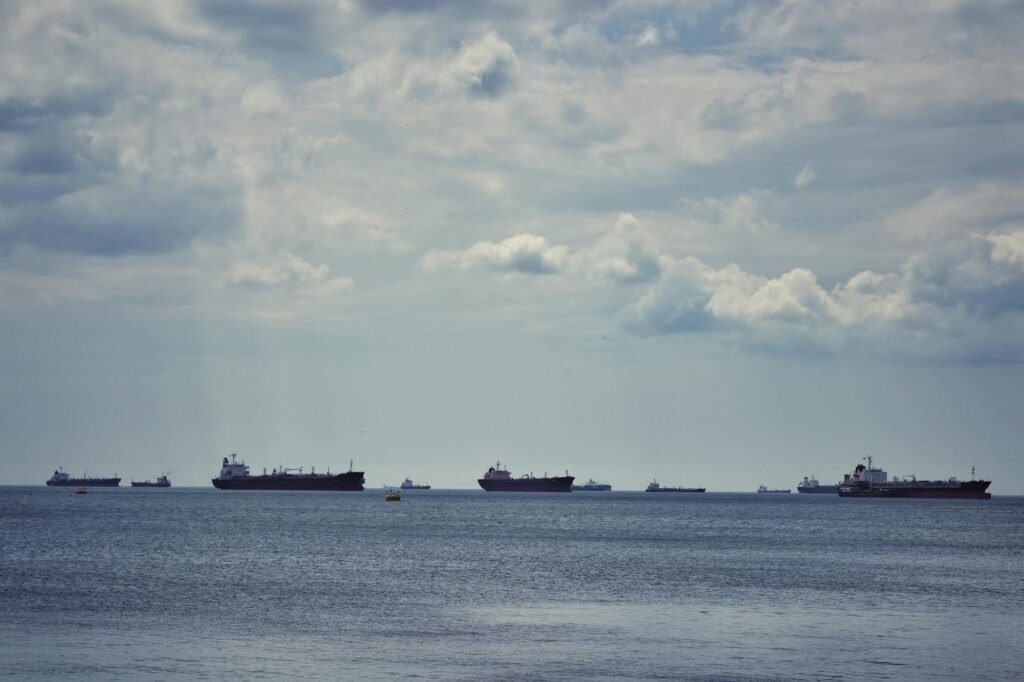
The United States and Iran are reportedly moving closer to an arrangement aimed at de-escalating tensions and potentially reopening the vital Strait of Hormuz, a critical waterway for global oil shipments. This emerging agreement, details of which are still being finalized, is understood to involve an extension of the current cease-fire between the two nations, providing a window for more comprehensive negotiations on Iran’s nuclear program and other contentious issues.
Sources indicate to Tahir Rihat that President Donald Trump has not yet formally approved the proposed accord, signaling that final diplomatic hurdles remain. The White House has been engaged in delicate discussions with Tehran, mediated by third parties, to secure a more stable environment in the Persian Gulf. The Strait of Hormuz, a narrow chokepoint between Iran and Oman, has been a focal point of geopolitical friction, with Iran frequently threatening to disrupt shipping traffic in response to international pressure and sanctions.
The potential agreement comes after a period of heightened military posturing and diplomatic stalemate. Information reaching Tahir Rihat suggests that the cease-fire extension is a foundational step, designed to build confidence and create the necessary conditions for substantive talks. These broader negotiations are expected to address not only Iran’s controversial nuclear activities but also its ballistic missile program and its regional influence, which have been major concerns for the United States and its allies in the Middle East.
The specifics of the cease-fire extension and the terms under which the Strait of Hormuz would see a reduction in military activity are not yet publicly disclosed. However, the move represents a significant diplomatic initiative, potentially shifting the dynamics of a long-standing adversarial relationship. The Trump administration has pursued a policy of maximum pressure against Iran since withdrawing from the Joint Comprehensive Plan of Action (JCPOA) in 2018, reimposing stringent sanctions. This proposed arrangement could signal a recalibration of that strategy, prioritizing dialogue over confrontation.
The international community is closely watching these developments, recognizing the profound implications for global energy markets and regional security. Any disruption in the Strait of Hormuz can have immediate and severe consequences for oil prices and supply chains worldwide. Therefore, an agreement that ensures the free flow of maritime traffic through this strategic waterway would be a welcome development for the global economy.
The negotiations are reportedly complex, involving multiple layers of engagement and requiring careful consideration of each party’s security interests and political objectives. The success of this emerging arrangement will likely depend on the willingness of both Washington and Tehran to make concessions and to adhere to the agreed-upon terms. The extension of the cease-fire, if finalized, would be a tangible outcome, but the real test will lie in the ability of the two nations to forge a lasting agreement on the more challenging issues that have fueled their animosity for decades.
The prospect of renewed negotiations on Iran’s nuclear program also carries significant weight. The original JCPOA aimed to prevent Iran from developing nuclear weapons in exchange for sanctions relief. Its collapse has led to Iran increasing its uranium enrichment activities, raising alarms among international powers. Any new diplomatic effort to curb Iran’s nuclear ambitions would be a major undertaking, requiring robust verification mechanisms and sustained commitment from all parties involved.
The broader context of regional security also plays a crucial role. Iran’s involvement in conflicts across the Middle East, its support for various proxy groups, and its ongoing rivalry with countries like Saudi Arabia and Israel are all factors that complicate any diplomatic resolution. The United States has been a key player in regional security architecture, and its engagement with Iran on these issues will inevitably involve coordinating with its allies and partners in the region.
The current administration’s approach to foreign policy has often been characterized by a willingness to engage in direct negotiations, even with adversaries. This potential agreement with Iran appears to align with that broader strategy, seeking to manage complex geopolitical challenges through diplomatic means. However, the path forward is fraught with challenges, and the ultimate success of this initiative remains uncertain. The coming weeks and months will be critical in determining whether this emerging arrangement can pave the way for a more stable and predictable future in the Persian Gulf and beyond.


Tahir Rihat (also known as Tahir Bilal) is an independent journalist, activist, and digital media professional from the Chenab Valley of Jammu and Kashmir, India. He is best known for his work as the Online Editor at The Chenab Times.