


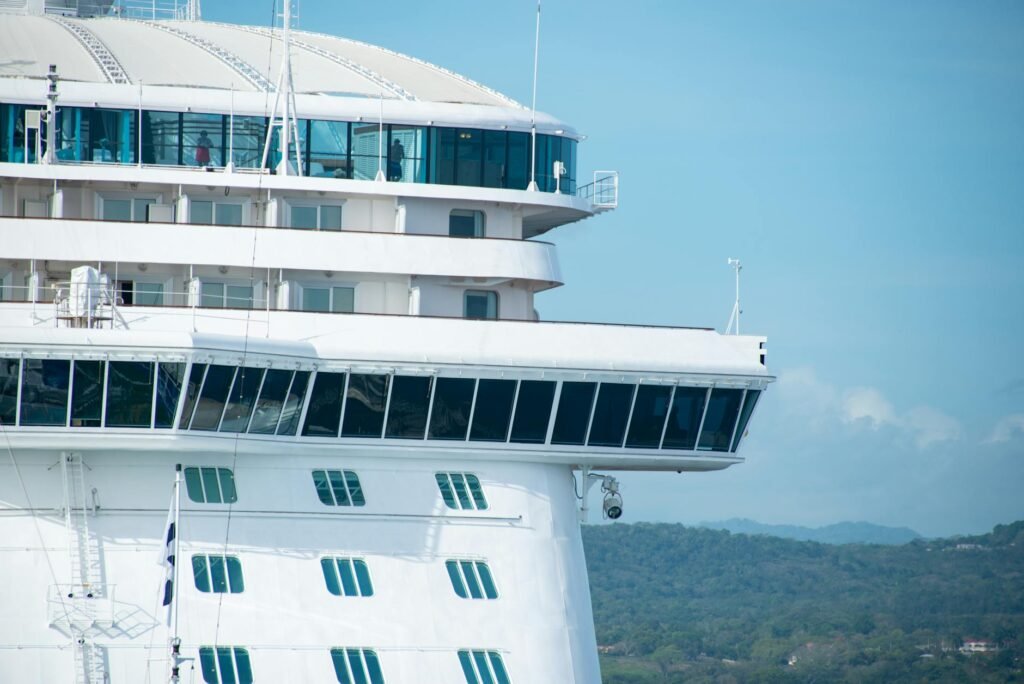
Health authorities in the United States are closely monitoring individuals who were recently aboard a cruise ship, following concerns about potential exposure to the hantavirus. Passengers in at least three different states are currently under observation, although officials have emphasized that none have yet exhibited any symptoms of the illness.
The proactive measure aims to ensure swift identification and intervention should any passengers develop signs of hantavirus infection. The virus, which can be transmitted to humans through contact with the urine, droppings, or saliva of infected rodents, is known for causing severe respiratory illness. The incubation period can vary, making ongoing surveillance crucial for those who may have been exposed.
Information reaching Tahir Rihat suggests that the monitoring process involves regular check-ins and guidance on recognizing potential symptoms. While the specific cruise ship and itinerary have not been widely disclosed, the involvement of health agencies across multiple states indicates a broad scope of potential exposure. The Centers for Disease Control and Prevention (CDC) typically leads such investigations, providing protocols and support to state and local health departments.
Hantaviruses are a group of viruses carried by rodents. While many rodents can carry hantaviruses, only certain species are known to transmit them to humans. The most common way people get infected is by breathing in air that has particles of hantavirus from rodent urine, droppings, or saliva. This can happen when rodent-infested areas are disturbed, such as during cleaning or when opening up a previously closed-off cabin or vacation home. Less commonly, people can become infected if they touch their nose, mouth, or eyes after touching rodent droppings, urine, or nesting materials.
The symptoms of hantavirus pulmonary syndrome (HPS), the most severe form of the illness, typically begin a few days to a few weeks after exposure. Initial symptoms often resemble the flu, including fever, muscle aches, headache, and fatigue. However, the illness can rapidly progress to more severe respiratory distress, with symptoms such as coughing and shortness of breath. Without prompt medical attention, HPS can be fatal.
The current situation underscores the importance of public health vigilance, particularly in environments where close proximity and potential rodent contact are factors. Cruise ships, by their nature, operate in enclosed spaces, and while hygiene standards are generally high, the possibility of encountering rodents cannot be entirely eliminated. Health officials are likely working to identify the specific areas on the ship where rodent activity may have occurred and to implement thorough disinfection protocols.
The proactive monitoring of passengers is a standard public health response designed to mitigate the risk of wider transmission. By keeping a close watch on individuals who may have been exposed, health authorities can act quickly if symptoms arise, facilitating early diagnosis and treatment. This approach is critical for managing infectious diseases and protecting public health.
The focus on passengers in multiple states highlights the interconnectedness of public health efforts across different jurisdictions. Effective communication and coordination between federal, state, and local health agencies are paramount in managing such situations. The goal is to ensure that all potentially exposed individuals receive the necessary guidance and medical care, regardless of their current location.
While the absence of symptoms among the monitored passengers is a positive sign, health officials continue to emphasize the importance of remaining vigilant. Individuals who were on the affected cruise are being advised to seek medical attention if they develop any flu-like symptoms or respiratory difficulties. Public health departments are providing contact information and guidance for those who need to report concerns or seek further information.
The ongoing monitoring efforts are a testament to the robust public health infrastructure in place to address potential outbreaks. The swift action taken by health authorities demonstrates a commitment to safeguarding the well-being of the public and preventing the spread of infectious diseases. The situation remains under close observation as health officials continue to assess the risk and provide support to affected individuals.


Tahir Rihat (also known as Tahir Bilal) is an independent journalist, activist, and digital media professional from the Chenab Valley of Jammu and Kashmir, India. He is best known for his work as the Online Editor at The Chenab Times.